Frustrated at the Inevitable

I realized today that getting frustrated by the inevitable is just a complete waste of time. So why do it? Why even get started? Better to get frustrated by something you are going to, actually can improve or make better. One of these things is having a knot get in your way on a fishing trip. No matter what you do, how organized you are, and even the coolest most expensive gear you own, you will end up having a knot in a line and usually at a moment when you are trying to do something and it is really annoying. The thing is this happens all the time. Getting frustrated by finding a knot on a fishing trip would be like finding out that it was hot in the desert, or that there are mosquitoes in the mountains, or that there is traffic on a LA freeway. I mean, why even start the path on frustration at all?

How much time do we waste, how much emotional energy do we drain getting upset by things that are just never going to, and will not ever change? Kids are going to make a mess, siblings will tease each other and teenagers roll their eyes at you. Go ahead and shake your fist at the heavens for raining, snowing, and blowing wind while you are at it. Of all the things that you should spend emotional energy on, what should it be?

If you pause and answer that question honestly for just a few moments, I will guarantee it will not be to spend any degree of emotion, and certainly not frustration with inevitable things in life. Yes, this does “always happen to you,” because it is inevitable.

Guy

Subscribe
Notify of
guest
0 Comments
Inline Feedbacks
View all comments
Share the Post:

Recent Blogs

Relaxing is Changing State

Relaxing isn’t about passive consumption, but actively changing your brain’s state. This involves stopping information intake, engaging in physical activity outdoors, and shifting focus from narrow details to broad natural elements. The goal is to clear mental clutter and allow your mind to reset, often leading to renewed productivity.

Read More

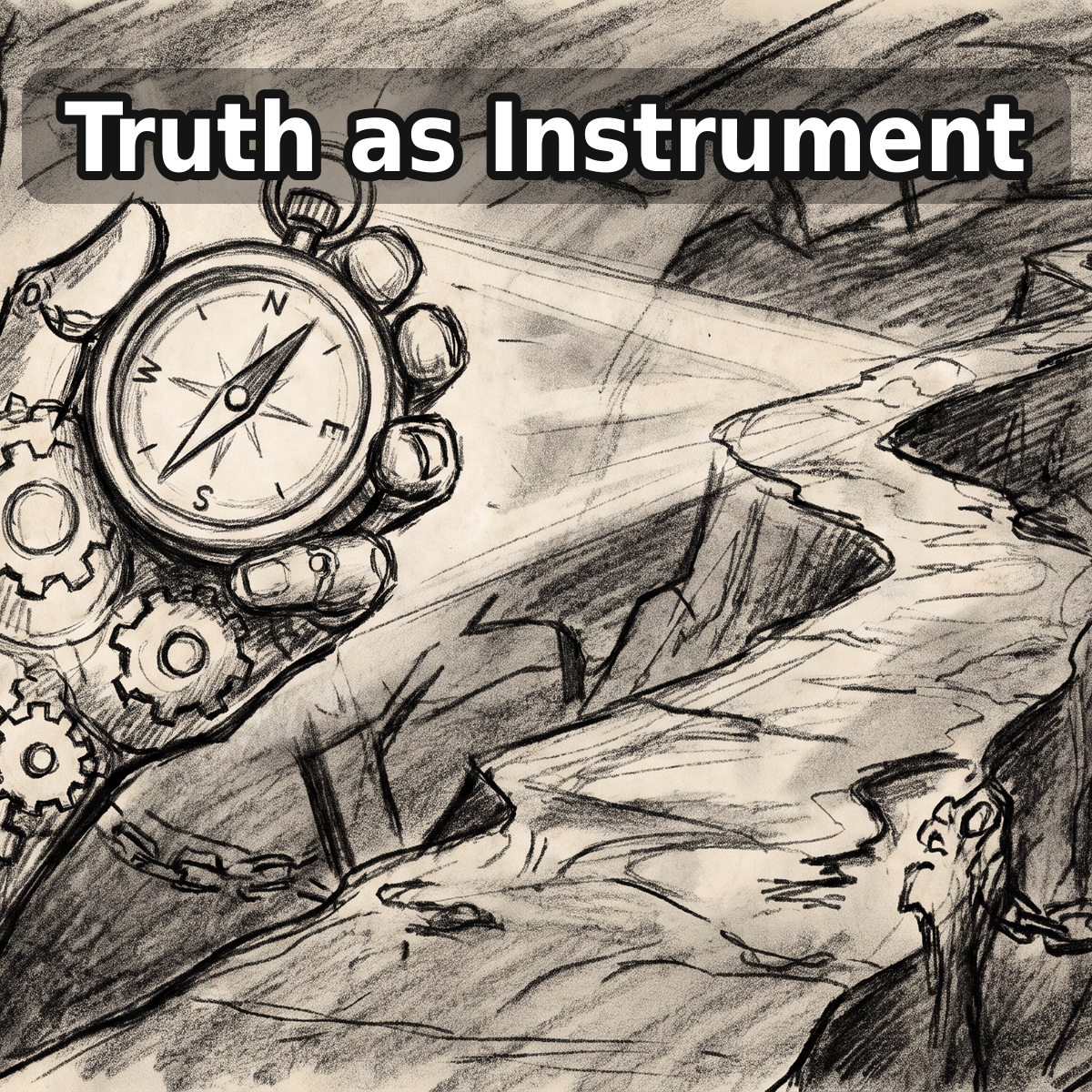
Day 344 – Truth as Instrument

This article explores the concept of individuals who manipulate truth to serve their own interests, distinguishing it from relativism. It delves into the personal and social implications of encountering such people, drawing parallels with childhood development and a personal anecdote about teaching chess. The author reflects on the challenges of dealing with those who view truth as an instrument and offers advice on identifying such behavior early in relationships.

Read More

Day 343 – Selling Shovels in a Gold Rush

The article draws parallels between the California Gold Rush and the current AI boom, highlighting how individuals profited by selling tools and information rather than directly extracting gold. It discusses historical examples of Samuel Brannan, Henry Vizetelly, and Joseph Ware, who capitalized on the gold rush through various means, including hoaxes and guides. The piece concludes by advising caution when encountering AI gurus, suggesting one should investigate the source of their wealth.

Read More

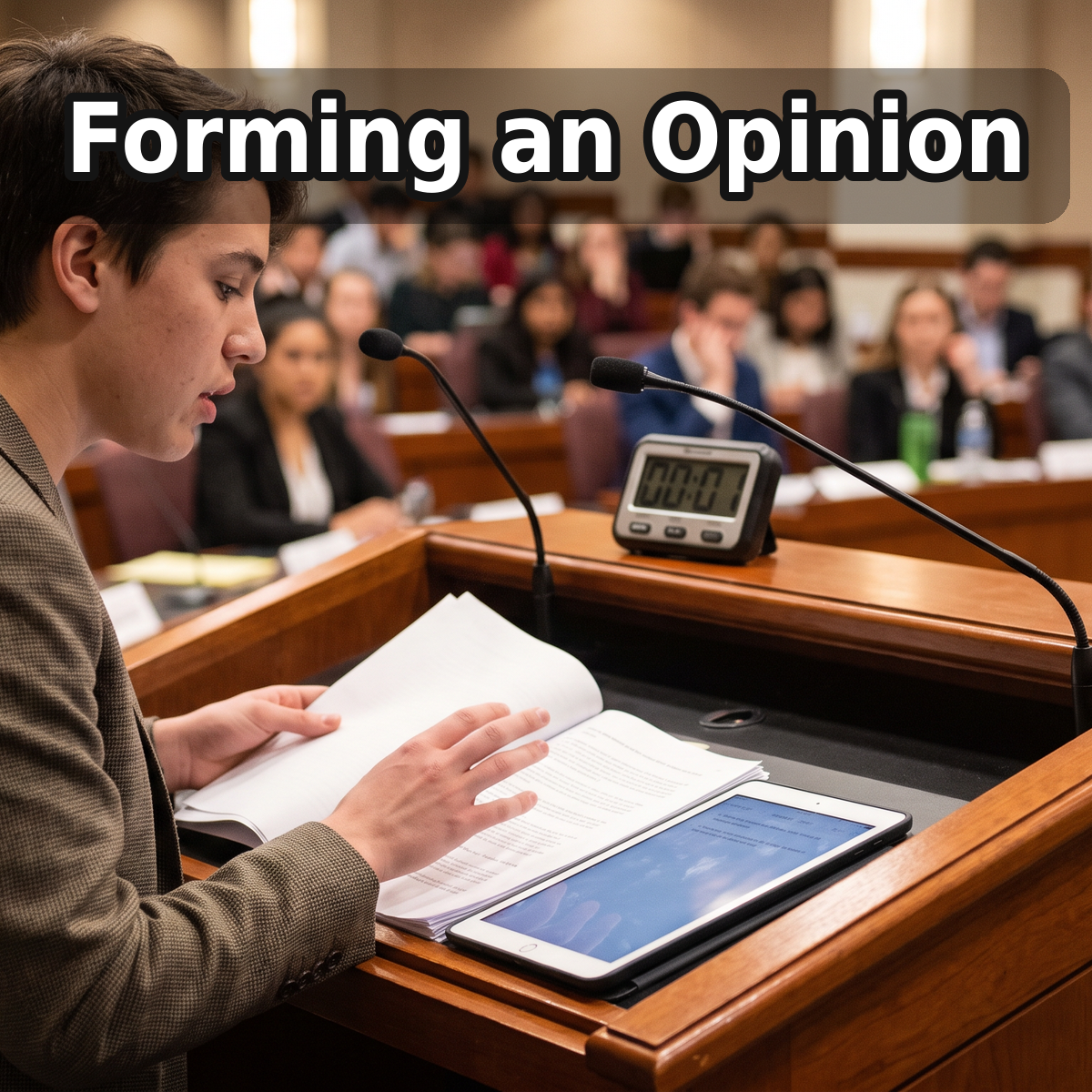
Day 342 – Forming an Opinion

This article explores the process of forming opinions, drawing parallels from debate and legal fields to categorize the strength of an opinion’s foundation. It highlights the difference between strong opinions and strong epistemic foundations, moving from weak bases like intuition and hearsay to robust, evidence-based conclusions that are open to revision.

Read More
0
Would love your thoughts, please comment.x
()
x