Dissociative Personality type disorders impact the lives of around .01 percent of the population. I do not want to make light or fun of anyone who suffers from this. However, I do want to point out the profound benefit you would enjoy if you actually had multiple personalities and had total control over when to use them.

Could you imagine that super power? I wake up in the morning. I need super calm, meditative and mindful Guy. I will call him Kyle. Then I need to go work out and run. I need to turn on the Jason personality for an hour. Then it is time to go to work, time to flip on that personality.

Then again is that a good idea? Not sure. People say that you need to be true to yourself and be mindful about who you are no matter the circumstances. But really? I mean sometimes, I need to turn on a ton of passionate energy and other times the retrospective humility.

Which leads me to the thought that maybe you can transition from one mode to the next. As it turns out this is highly recommended by psychologists. Work in transition time so that you can come home and go into “Dad” mode or “Husband” mode. Interesting concept to ponder.

Guy Reams
Subscribe
Notify of
guest
1 Comment
Oldest
Newest Most Voted
Inline Feedbacks
View all comments
Misty
Misty
4 years ago

It’s called being an actor. I do it all the time. 🤦‍♀️ 😂

Share the Post:

Recent Blogs

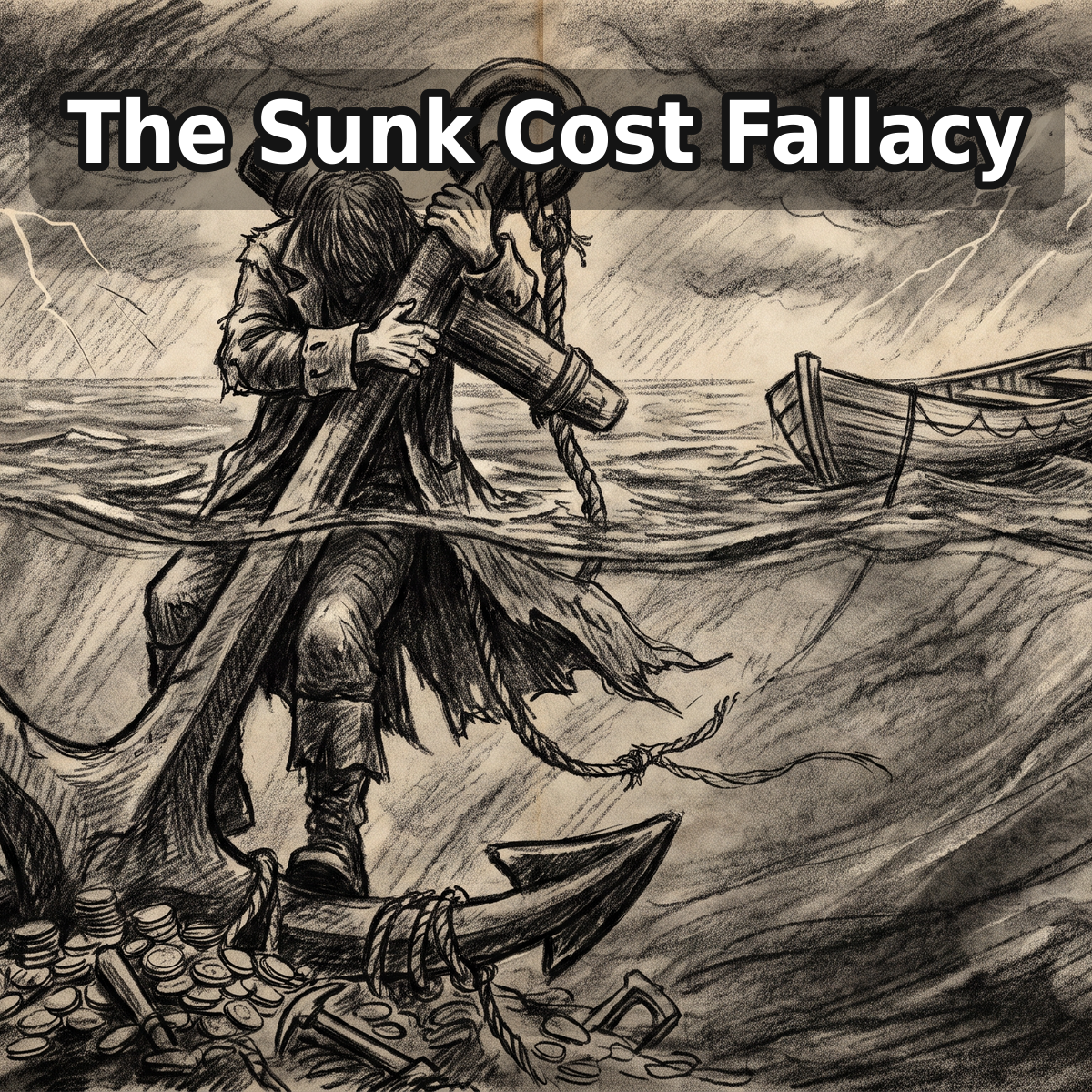
Day 3,225 – The Sunk Cost Fallacy

The sunk cost fallacy describes the tendency to continue investing in a losing proposition because of past investments that cannot be recovered. This often leads to greater losses and regret. The key is to evaluate if future rewards justify additional investment, or if it’s better to cut losses.

Read More

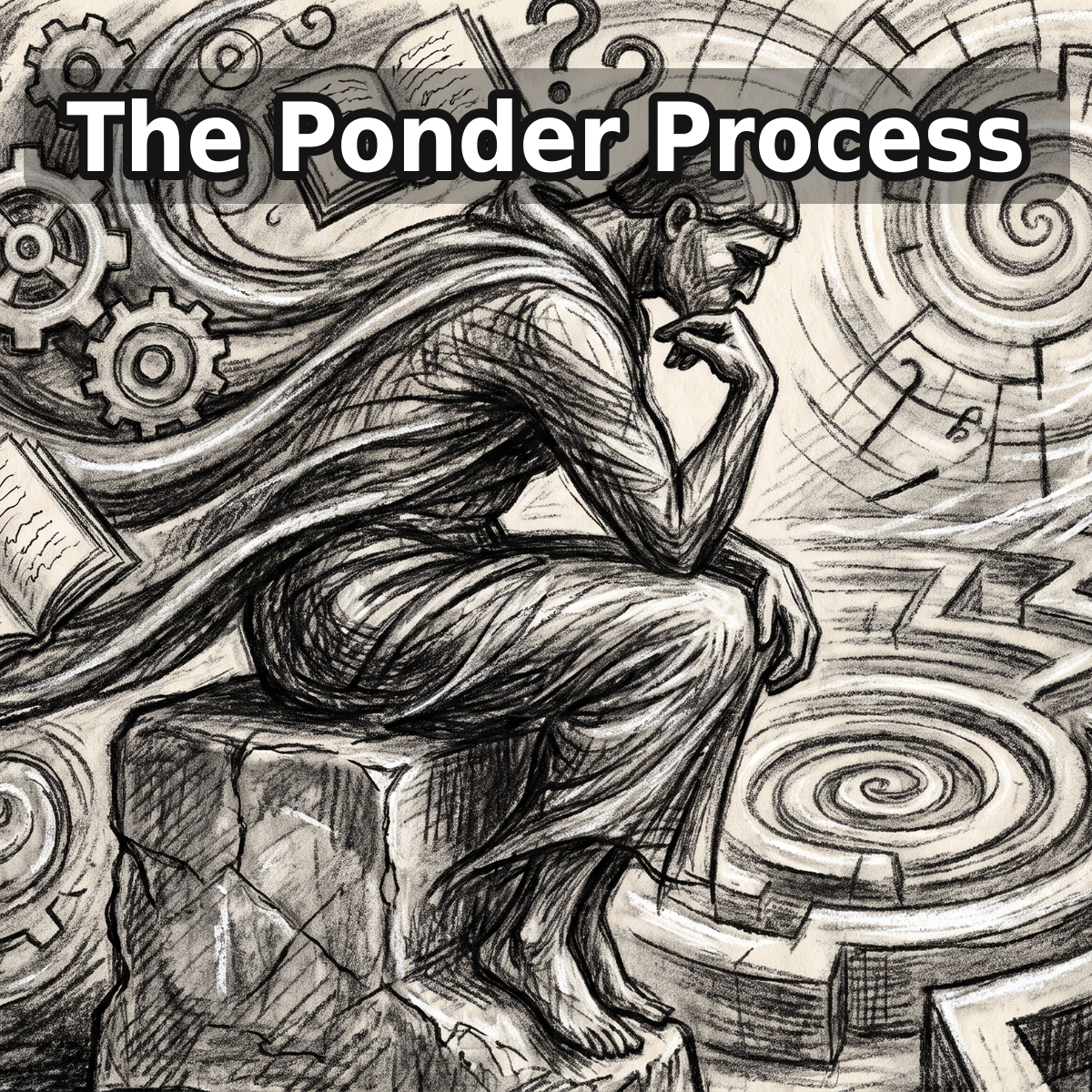
Day 3,224 – The Ponder Process

This article introduces a structured approach to pondering, moving beyond aimless thought to achieve clarity and actionable insights. It outlines a five-step process: defining the specific question, distinguishing facts from assumptions, identifying areas of influence, exploring multiple solutions, and concluding with a concrete action or a plan to revisit the issue.

Read More

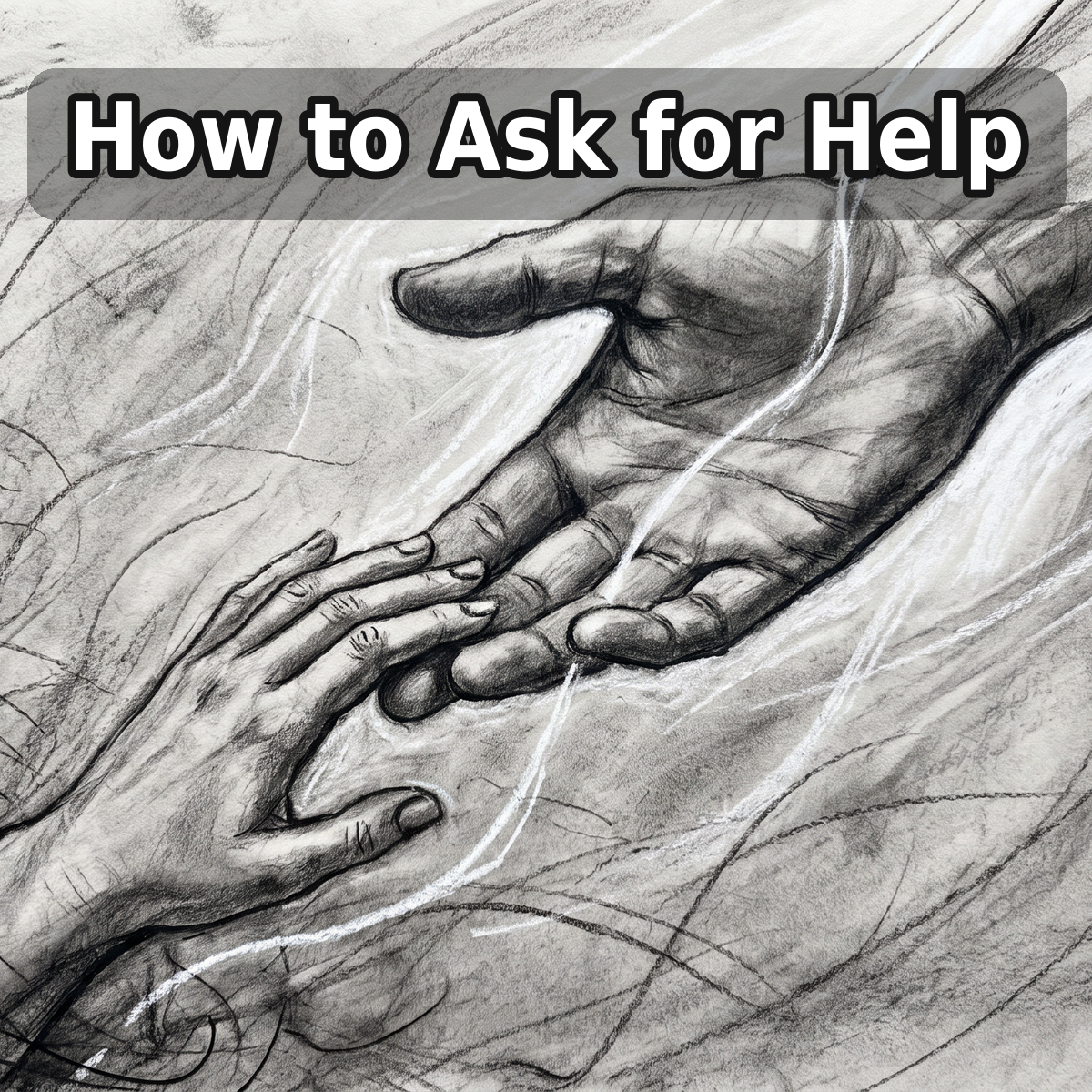
Day 3,223 – How to Ask for Help

This article explores the journey of overcoming a lifelong habit of pretending to know everything. The author shares personal insights on learning to ask for help, detailing a three-step process: admitting “I don’t know,” being specific about needs, and accepting assistance. Ultimately, the piece highlights how asking for help can strengthen relationships and foster genuine connection.

Read More

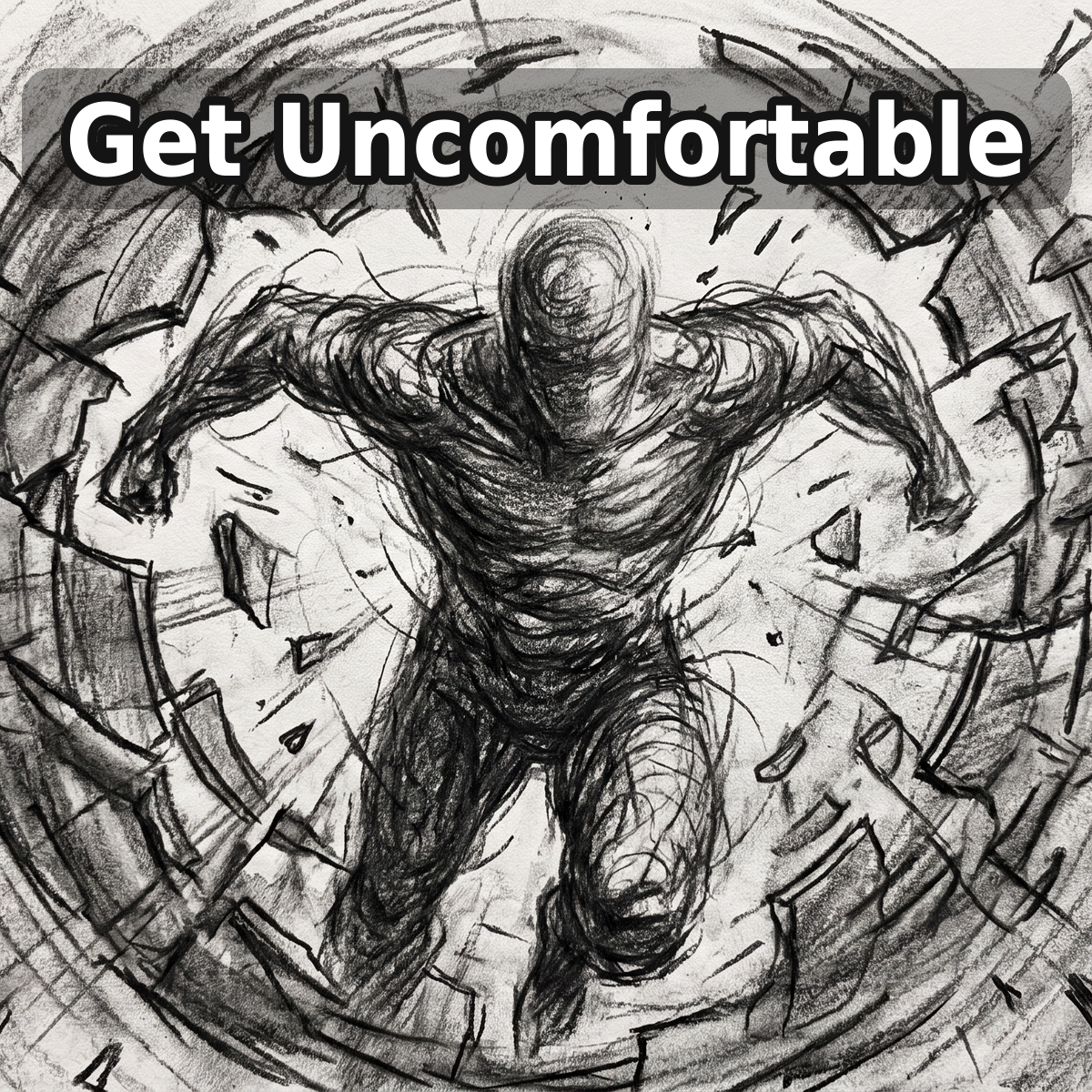
Day 3,222 – Get Uncomfortable

Productive meetings often involve discomfort, as they are meant to resolve conflicts and challenge assumptions. Avoiding uncomfortable conversations can hinder improvement and problem-solving, suggesting that embracing discomfort can lead to more effective outcomes.

Read More
1
0
Would love your thoughts, please comment.x
()
x