In a Men’s Warehouse today in Tempe, AZ buying a shirt. A sign in the dressing room says, “Don’t just adapt to change, instigate it.”
I think I will take that advice.
Guy

The author has decided to change their 365-day blog commitment to a consecutive daily numbering system, making today Day 3,199. They aim to reach 20,000 consecutive posts, which would take them until they are over 100 years old, inspired by their 101-year-old grandmother.
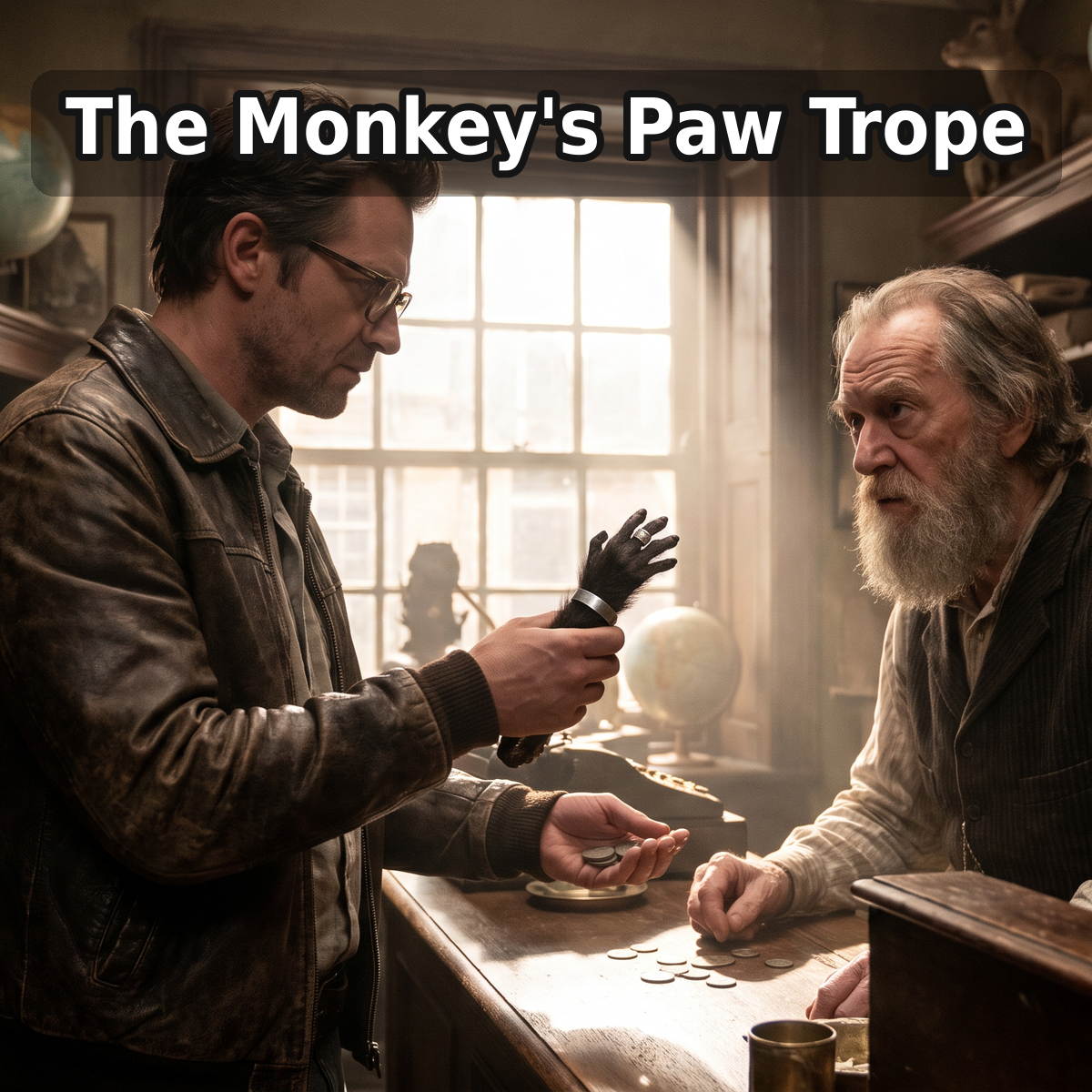
The author reflects on the “Monkey’s Paw” trope, where wishes come true with unforeseen negative consequences, drawing parallels to a movie and the original short story. He connects this to his personal experience with a 365-day commitment, noting that half-hearted commitments led to undesirable outcomes, much like a monkey’s paw.
This article humorously reflects on the challenges of word problems in math, from childhood experiences to current educational approaches. It highlights the difference between procedural competence and conceptual understanding, suggesting that modern word problems aim to foster deeper thinking.

The author finds that thinking about everything they have to do creates significant stress, even if individual tasks aren’t overwhelming. They propose compartmentalizing their world, focusing on one task at a time, which helps manage the emotional weight of multiple responsibilities and allows for full attention on the current engagement.