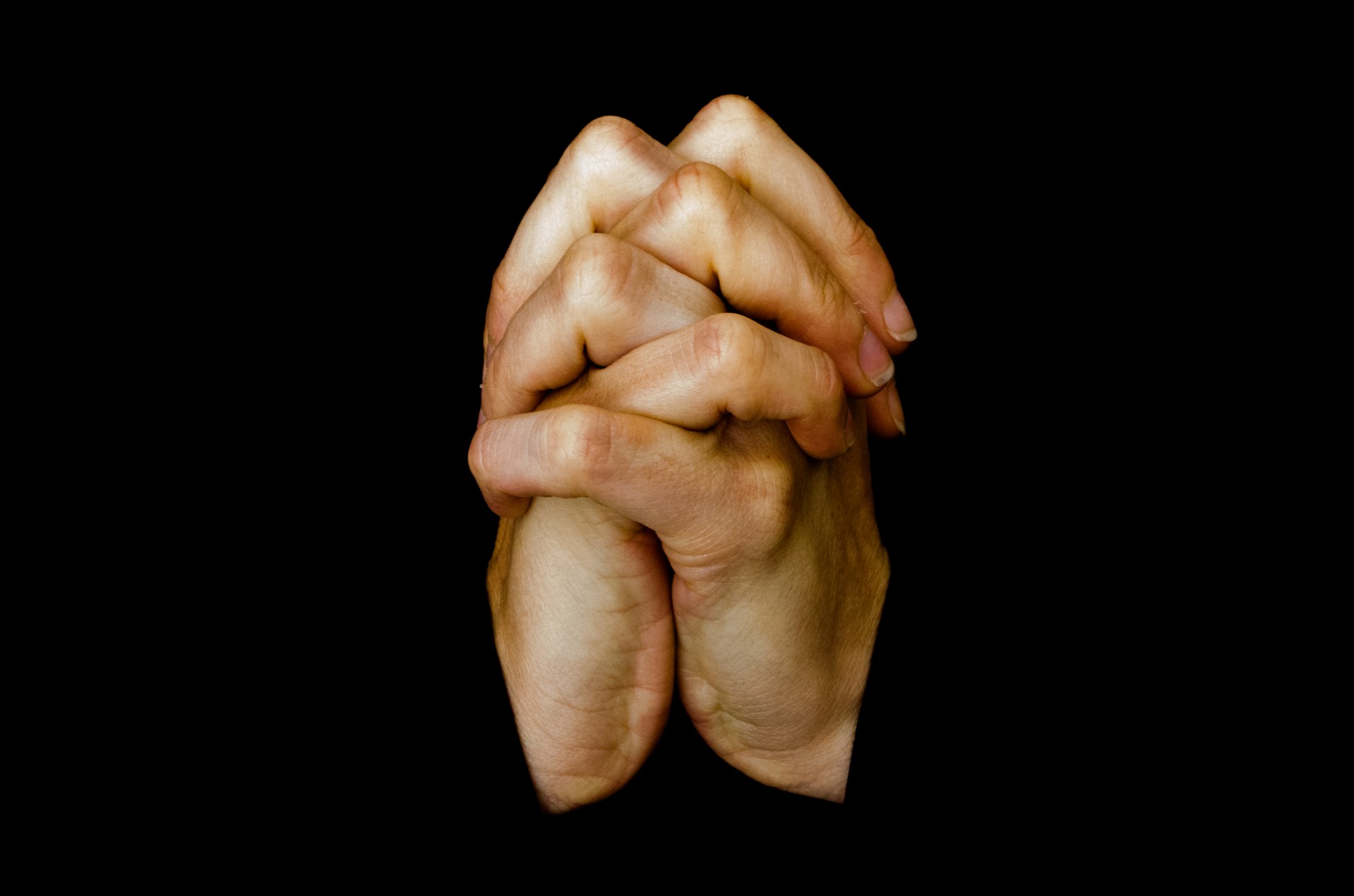
What is the single most powerful thing that I can do everyday that will have the greatest impact on my life? Prayer. I do not hesitate to answer. I know many do not believe in God, or if they do, rarely pray. I make the argument that even atheists would benefit. Prayer is powerful. There is something to the practice, there is no denying this.
Humans have been creating practices, religious traditions, formulas, and methodologies around prayer forever. Since the dawn of time, prayer has been part of our human history. This cannot be by accident. A believer would say that is because there is in fact, a God. A non-believer has to admit that this is part of humanity and has to ponder why? I have heard the argument that the very concept of God, or a perfect ideal human, is what lit the spark. The spark of human consciousness came into being once the idea of what we were not came to the forefront. Humans began to teach offspring about this concept of what we are not at a young age. That expanded and improved the human mental capacity. Our diets started to change and our brains grew bigger.
Irregardless, the concept of God is important. The idea, the belief in a higher power, a greater ideal is something unique to humanity. When we commit a prayerful act, we acknowledge this. A humility, or at least an understanding of our weakness, allows us to become better. The act of faith, inherent in prayer, changes our mental mindset. We tend to be more direct in our approach to improvement. We become more aware of opportunity before us.
I would recommend the practice of prayer to anyone, religious or not. I am not referring to remote or memorized prayers either. Repeating mantras, or repeated phrases does have some demonstratable benefit. Yet, it is the act of quiet solitude where a person speaks with God, where the transformation occurs. Every single moment in my life, where I became something different, happened in prayer. The spark that lit the fire always happened in the quiet solitude with God. People can poke fun at that concept, but does not change the true fact. Prayer is a powerful part of life, and we should not ignore the practice. To do so is folly. Most of the greatest minds, greatest people to walk this planet were prayerful.
Of all the things that I could recommend to benefit others, the single greatest is this. Every morning and every night, begin and end the day with a simple heartfelt prayer. Communicate thoughts, worries, desires, and gratitude with God. This practice will introduce a powerful element into life, that is beyond comprehension. Things will align, you will pick up more, opportunities will reveal. Prayer is powerful.