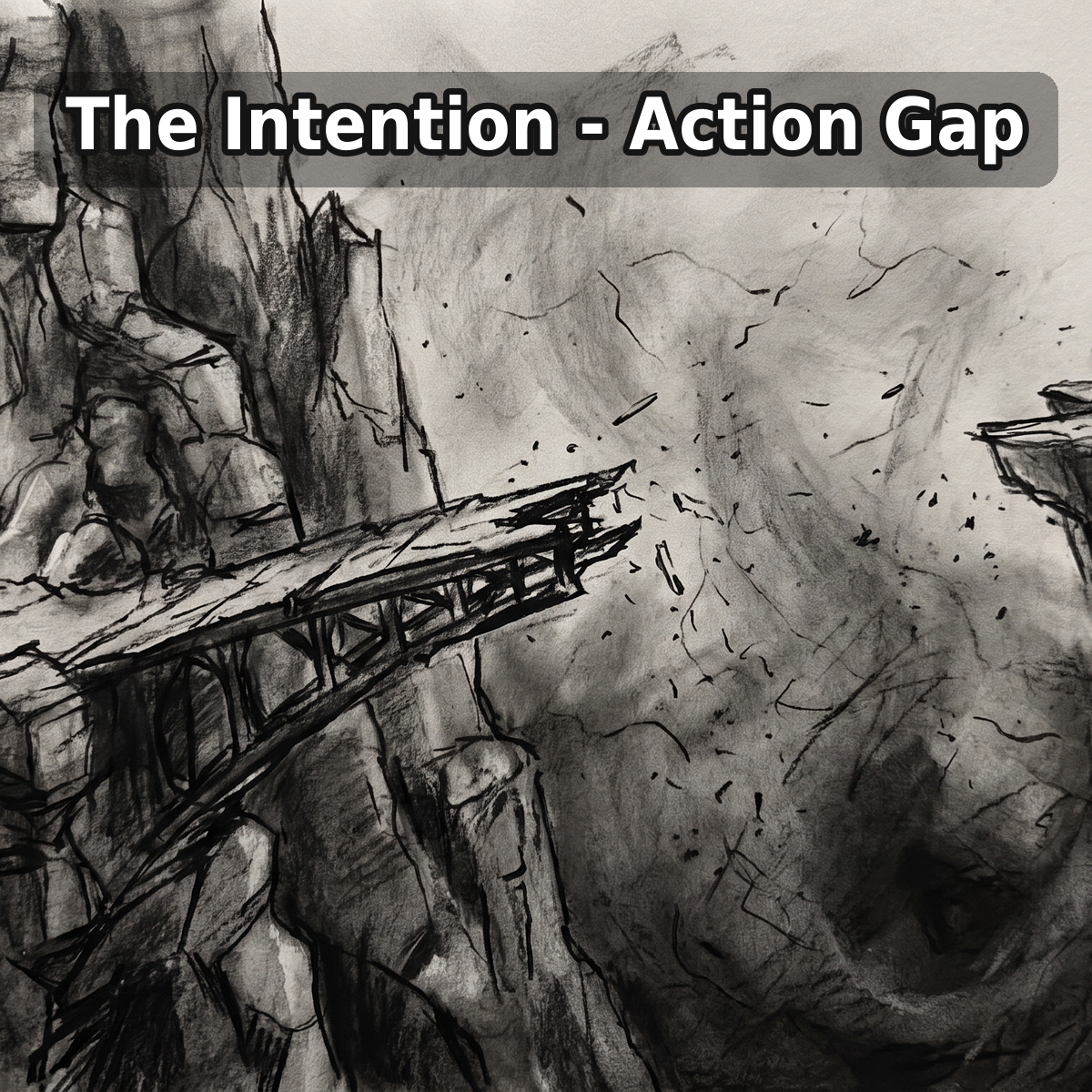
Every entrepreneur is familiar with the daunting statistic: approximately 90% of startup endeavors fail. Yet, despite these odds, we forge ahead. This statistic is not just limited to business ventures; I would argue that a similar failure rate applies to personal transformation efforts. But still, we persist. We push forward, often finding ourselves up against the proverbial wall of repeated failures.
Why do we keep trying despite these odds? Because success is possible, and there are strategies to increase our chances of achieving it. The advice on this topic is vast and varies depending on the nature of the initiative. One concept that has profoundly helped me is to plan for an action to take in case an emergency situation arises that could precipitate failure.
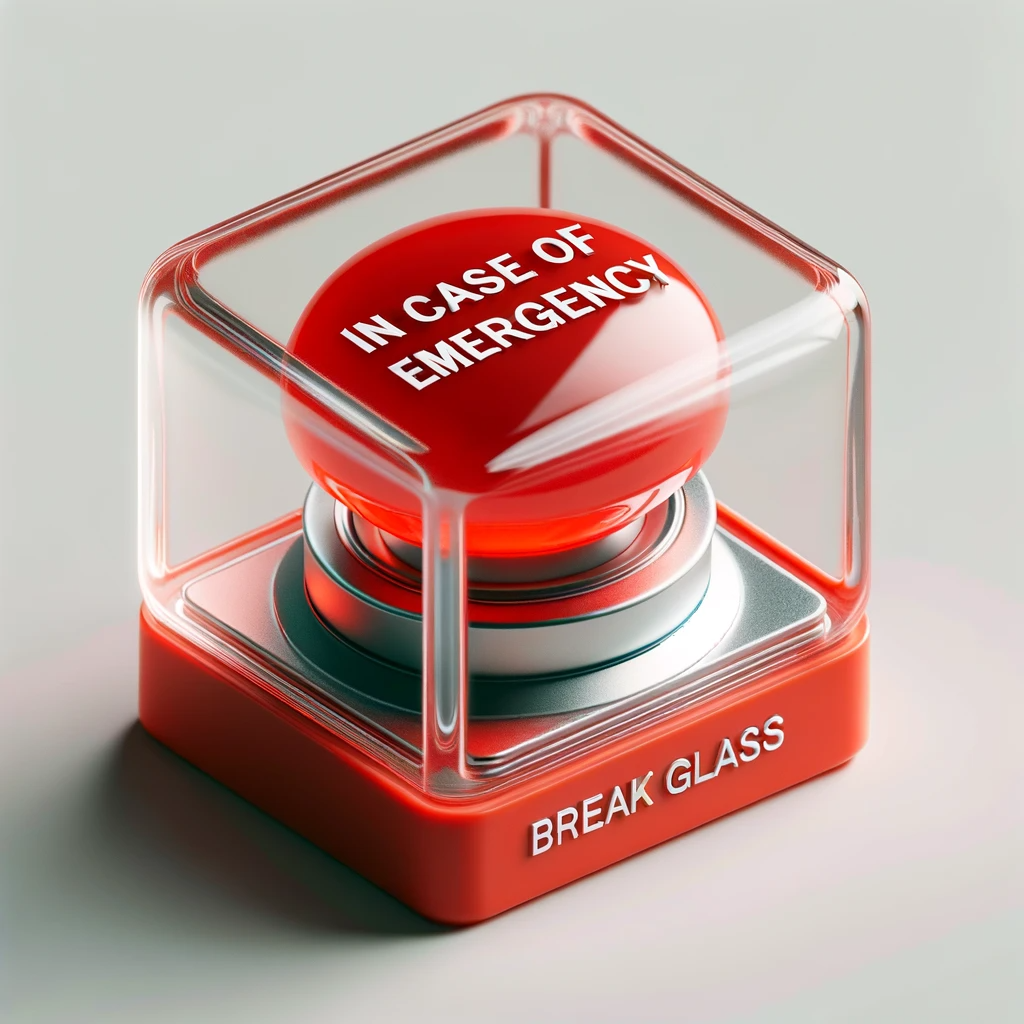
In my experience, failure is often rooted in a loss of enthusiasm. Challenges and unexpected obstacles arise, and the outcomes don’t always align with our expectations. This divergence can sap our momentum, placing our endeavors in jeopardy. That’s why I advocate for the preparedness of having our own ‘In Case of Emergency Button.’ This metaphorical button represents a pre-planned response when faced with potential failure.
Imagine you’re on a journey of personal transformation or spearheading a new business venture. You start with high energy and optimism. But as you progress, you encounter unforeseen difficulties. Your initial enthusiasm wanes. This is the moment to press your emergency button – a preconceived strategy designed to reinvigorate your efforts and steer you back on course.
Watch my video on this subject, here
In a business context, I’ve found that scheduling a unique retreat-style conference a few months into a new project acts as an effective emergency button. Anticipating the gradual decline in team enthusiasm and the emergence of unforeseen challenges, this retreat serves as a strategic pause. It pulls team members out of their day-to-day environment and brings them together to reassess and discuss progress. This approach has consistently proven beneficial in realigning efforts and addressing anomalies that deviate from the desired outcomes of new initiatives.
In my personal journey, fasting serves as my emergency button. Whenever I sense my new behaviors unraveling and my enthusiasm diminishing, I resort to fasting. This practice brings clarity to my mind, reconnects me with what’s important, and reignites the passion that initially fueled my path of improvement. It’s a powerful tool for recalibrating and refocusing.
By anticipating these dips in motivation and planning for them, we arm ourselves with a powerful tool to combat the inertia of unanticipated challenges. It’s not just about having a contingency plan; it’s about having a personalized response mechanism that aligns with our goals and values.
As we embark on new ventures, whether personal or professional, embracing this preparedness mindset can be the difference between giving up and pushing through to eventual success.