This is the sixth and final entry in a series I am writing on how potential lessons from the Golden Age of Piracy can help us in our own adventures. As I am currently out on an adventure of my own, this is a series that I wrote ahead of time and prerecorded.
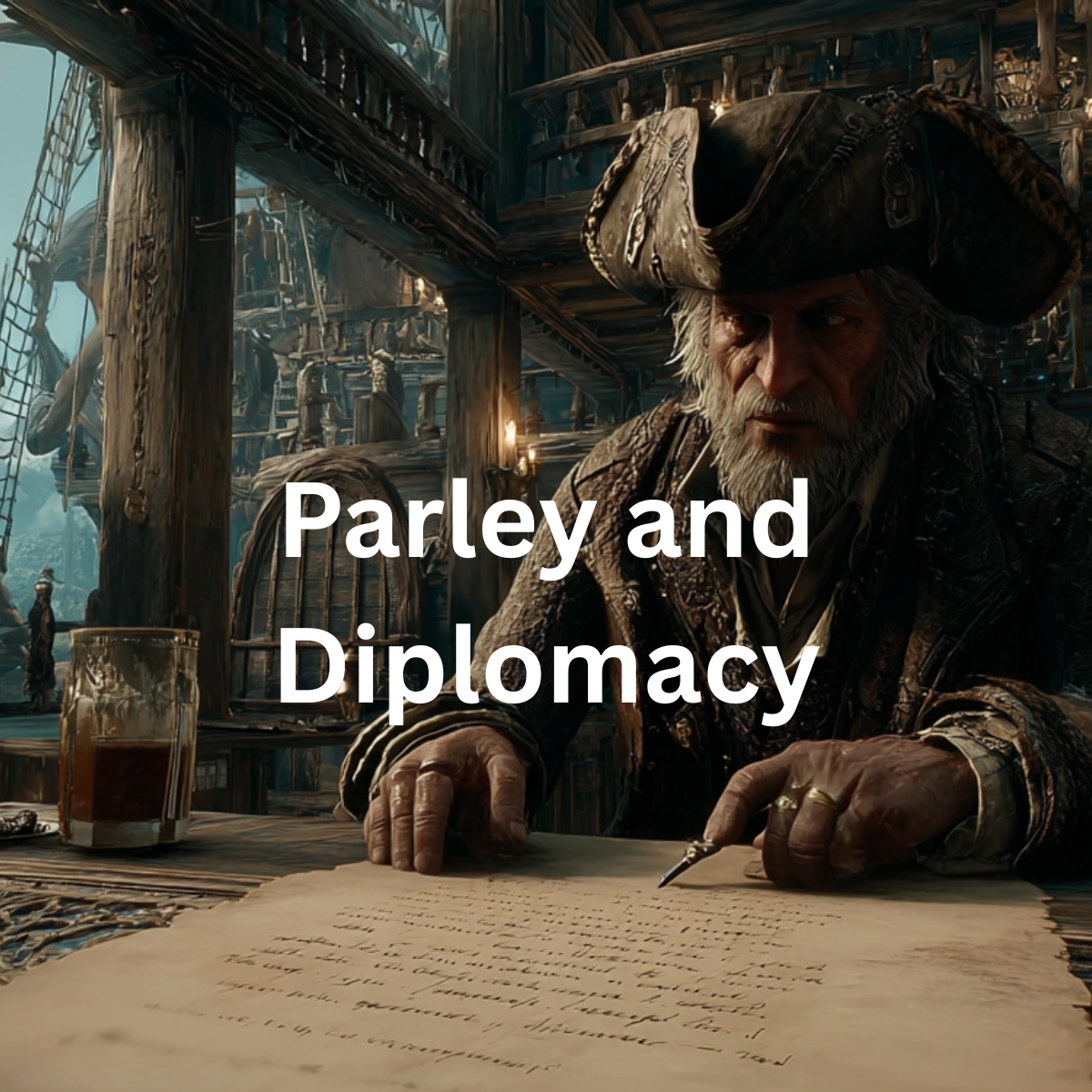
The concept of “parley” has been immortalized in pirate lore as a sophisticated means of diplomacy under tense, even hostile, circumstances. Despite their reputation for ruthlessness, pirates were adept negotiators, frequently employing diplomatic communication strategies to achieve peaceful outcomes or favorable terms.
Pirates understood that confrontation was not always the optimal solution. Skilled negotiators like Henry Morgan and Edward Low regularly engaged with naval officers, merchants, or rival pirate crews through diplomacy and negotiation to avoid unnecessary conflicts, secure safe passages, or form temporary alliances. The very idea of parley—a formal request for negotiation under a ceasefire—underscored pirates’ nuanced understanding that words and strategy could often achieve what brute force could not.
Agile teams operating in today’s complex and fast-moving environments share this critical need for effective communication, negotiation, and stakeholder management. Clear, transparent communication and proactive diplomacy are essential in aligning stakeholder interests, resolving conflicts quickly, and maintaining productive relationships across teams and organizations. Agile teams adept at communication and negotiation are better positioned to manage changing priorities, gain critical support for initiatives, and swiftly navigate organizational complexities.
Practical Takeaway: Build robust communication and negotiation strategies within your team. Clearly define how and when to engage stakeholders proactively and decisively. Encourage transparency, clarity, and respectful negotiation—understanding that diplomatic skills often accomplish more than confrontation. By refining these critical interpersonal skills, your team can navigate complexity as skillfully as pirates navigating diplomatic truces on the high seas.
Lessons from the High Seas
Throughout this series, we’ve journeyed back to the Golden Age of Piracy, discovering surprisingly relevant insights for today’s agile teams. Far from mere stories of adventure, piracy provides practical lessons on clear vision, decisive action, autonomy, adaptability, boldness, and effective diplomacy. These historical examples remind us that success often comes down to how clearly teams align on shared goals, how swiftly they act, and how skillfully they communicate and adapt.
As you reflect on these pirate-inspired principles, consider how you might integrate these lessons into your own team dynamics. Embrace clarity, reward boldness, empower your team members, remain adaptable, and always engage diplomatically. By doing so, your team can chart a course toward greater agility, innovation, and success—much like the legendary crews who once ruled the seas.