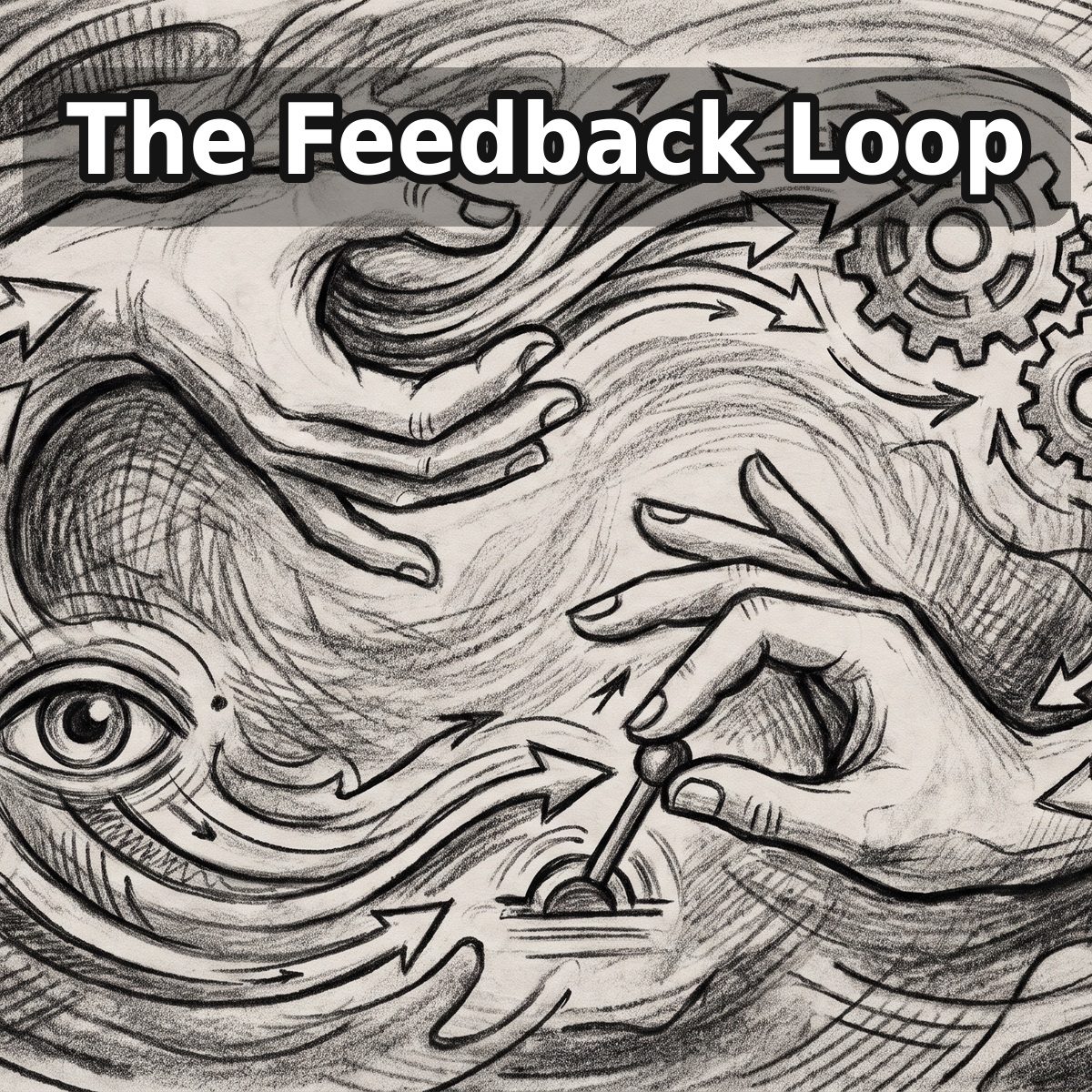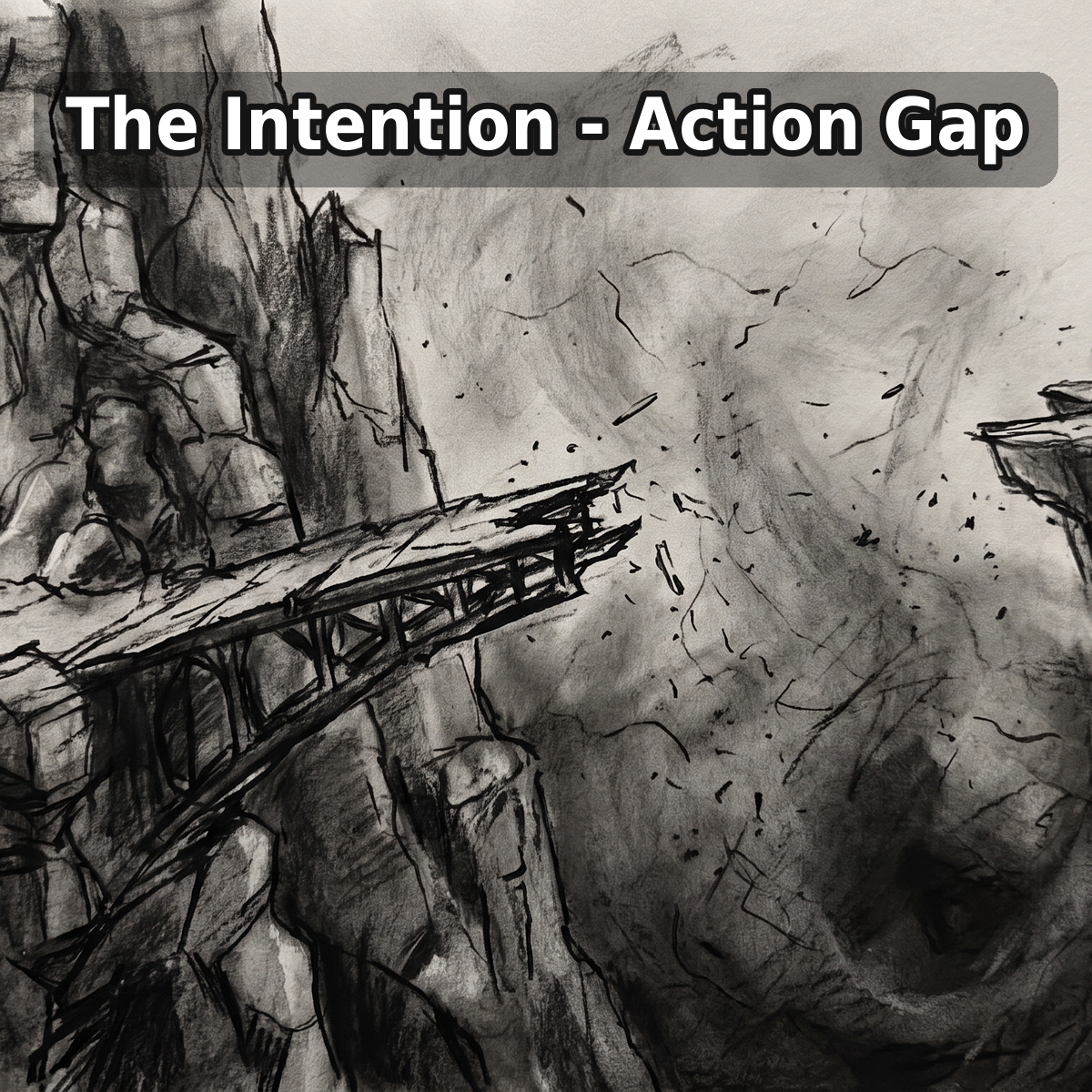
This morning, I found myself pondering the best method to determine what I excel at. Initially, I started listing my talents, but after noting down five, I became perplexed by the prospect of pinpointing the one thing I’m truly good at. This confusion stems from the realization that my strengths and passions don’t always align. Contrary to the popular advice of self-help gurus who preach, “Pursue your passion!” I’ve discovered that my greatest talent, and the one I derive the most joy from, is survival. So, what does that reveal about me? Am I destined to only truly thrive amidst a zombie apocalypse?
This might explain why I excel in chaotic situations and tend to dislike periods of smooth sailing. Some people relish the idea of steering a ship on a calm sea, where everything unfolds as planned. They take pleasure in monitoring the levels, metrics, and gauges, content in knowing the keel is balanced, the trim tabs are stabilizing, and our cruising speed is consistent. Conversely, I find myself searching for problems, craving challenges, and feeling unsettled by the absence of issues. It makes me wonder, what does this inclination say about me?
I’ve come to realize that in a crisis, I am invaluable, yet I might not be the best choice for maintaining a steady course. Borrowing a line from one of the greatest business movies, The Godfather, I see myself as a wartime consigliere. Does this mean I’m only at my best when facing a horde of zombies invading my hometown?
Over the last few decades, my research into this topic has shown me I’m not alone. Many excel in crises. Here’s what I’ve learned:
The Skills to Handle Anxiety and Manage Crisis Overlap.
Most people who share this trait with me also experience anxiety. While I won’t delve into cognitive therapy here, it’s clear these individuals are often idealistic and prone to perfectionism. This combination leads to a constant state of anxiety as they set high, sometimes unattainable standards for themselves.
Crisis Proneness and a Tendency Towards Narcissism
This may sound harsh, but reality often is. Those who perform well under pressure and possess a high skill level in crisis management also tend to take on too much, relishing the notion that they alone can resolve issues. They secretly crave the adoration and praise that come with problem-solving. This is generally fine until they begin creating problems to solve. In the worst cases, this can lead to psychopathy, but more commonly, it’s simply a love for drama and an inclination to overreact to minor issues. As I’ve aged, I’ve recognized this tendency in myself and have sought to mitigate it by surrounding myself with diverse thinkers. This approach allows my crisis management skills to shine without leading us down unnecessary paths.
Most Likely to Have a Vision Others Will Follow
Despite the drawbacks of narcissism and excessive self-reflection, such individuals often possess a compelling vision that others are drawn to. In times of trouble, people don’t want platitudes; they seek leaders who understand the problem, offer a clear and trustworthy vision, and can make pragmatic decisions to swiftly overcome challenges. These are the leaders people want to follow, making this a significant consideration.
As I reflect on my strengths and weaknesses, I realize I don’t need a looming zombie apocalypse to make a difference. By understanding what I bring to the table and acknowledging my limitations, I can seek out scenarios where I can contribute most effectively. Surrounding myself with people who offer different perspectives encourages innovation, presents challenging problems, and introduces difficult situations where I can find fulfillment.
I encourage you to critically assess your view of yourself and your strengths. I’ve often found myself adopting a persona out of necessity rather than authenticity. Taking an honest look at your talents and motivations can provide a healthier and more helpful perspective, allowing you to avoid self-sabotage and be ready for opportunities that best suit you.