When the Blue Jay Procrastinates: Understanding Displacement Activities
Have you ever found yourself inexplicably pulling weeds when a daunting task awaits? You’re not alone; welcome to the world of displacement activities.
The Unavoidable Garage Clean-up
Today is the day I’m finally supposed to buckle down and clean the garage. For months, it’s loomed over me, a growing mountain of clutter that we’ve let accumulate. I dread the archaeological dig required to sift through the past year of my life, unearthing each piece. There’s no easy way out; I can’t simply hire someone else to tackle it. I must methodically sort through these misplaced, discarded fragments of our lives and restore order. It’s a daunting project, a giant sack of weights I’ve been dragging around without reason. So, naturally, as today arrives, I find myself overwhelmed with the urge to engage in an entire litany of displacement activities.
A Lesson from Nature
This morning, as I sat in our backyard contemplating the strategy for organizing the garage, I found myself eagerly looking for distractions. I took the dogs out to play, which seemed crucial at the time, but soon found myself pulling weeds, a task suddenly imbued with great importance. As I wandered, pulling at the occasional weed, I noticed the dogs quiet down, their bodies tensed, channeling their ancient hunting instincts. One dog even raised his front paw, poised to pounce. Following their intense gaze, I spotted a small blue jay at the edge of the lawn, about ten feet away. The bird, seemingly aware of its audience, began to peck at the ground in a theatrical display, finding no worms or debris—just plucking at random spots, as if teasing the suddenly alert canines.
Confronting the Task
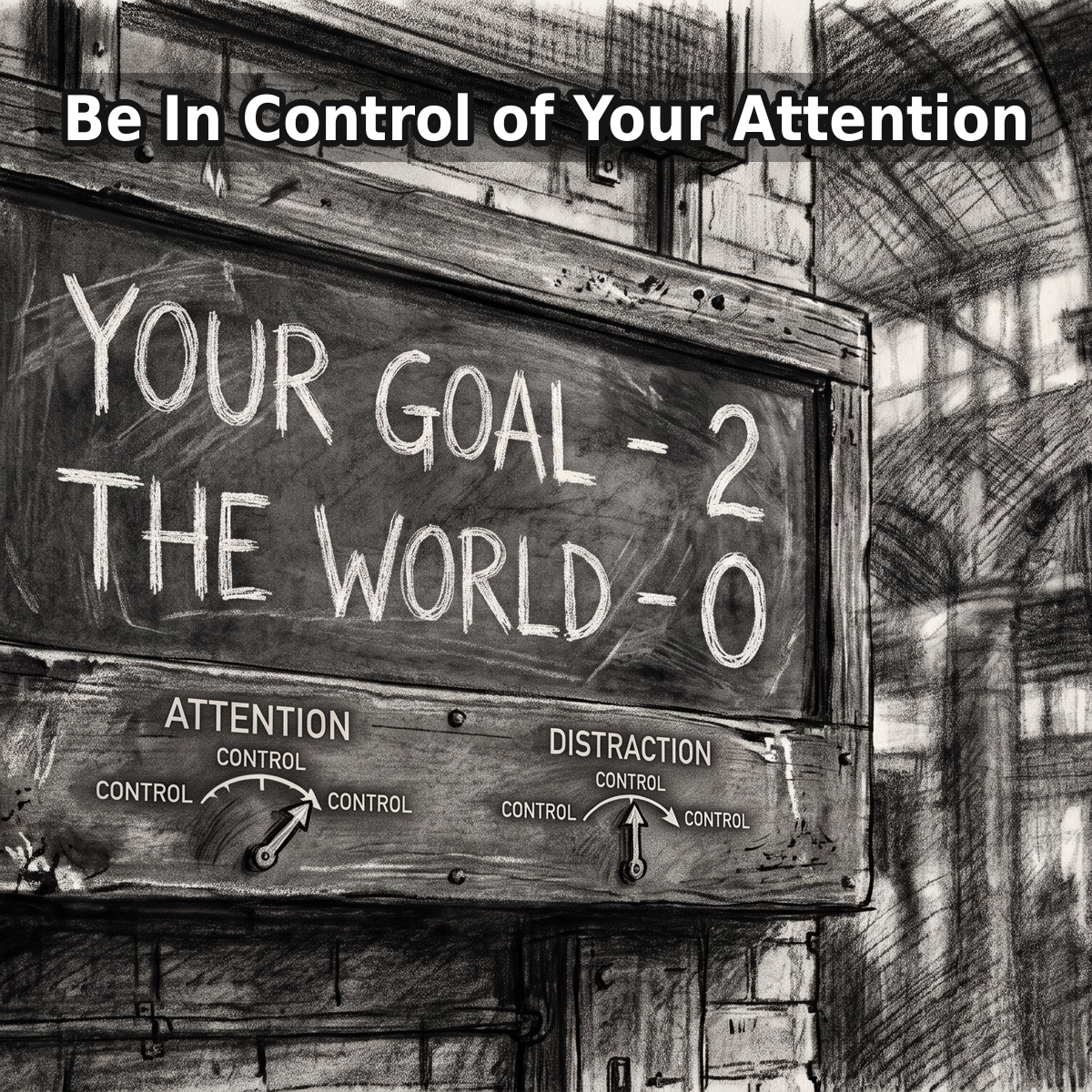
It suddenly occurred to me that the blue jay was mirroring my actions—engaging in displacement activity. Under stress and uncertain whether to flee or remain, the bird distracted itself from making this stressful decision by repetitively plucking at the ground. Similarly, I was displacing my own daunting task by pulling weeds, avoiding the garage cleanup. Just like the blue jay, I was temporarily easing my stress, sidestepping the greater challenge of tackling the garage or, in the bird’s case, escaping the potential threat of the dogs. Both of us faced a critical decision.
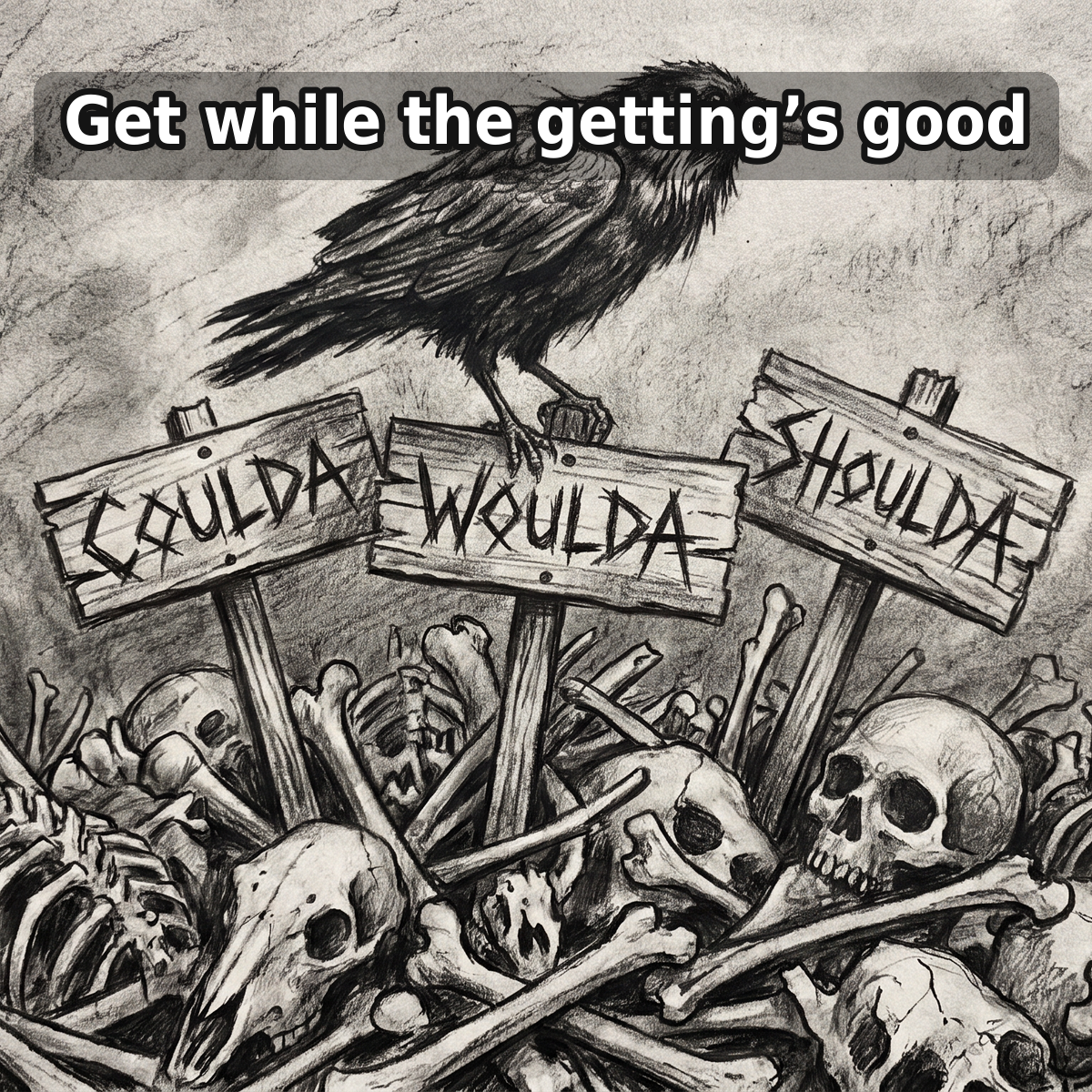
If we don’t make a decision, then these displacement activities can lead to procrastination, which might have disastrous consequences. Eventually, the blue jay decided to fly away, and inspired by its choice, I called the dogs in from playtime and headed toward the garage. Ironically, as I passed through the laundry room, I noticed some towels that needed washing. Almost falling into another trap, I nearly chose this new displacement activity. It’s telling how desperate I am to avoid cleaning the garage that I would actually consider doing laundry instead. However, I resisted the temptation and proceeded into the garage. I only surfaced from my archaeological dig to grab some lunch and jot down this article. Maybe I should do my taxes next? Nah. Back to the garage it is.
Reflection and a Call to Action
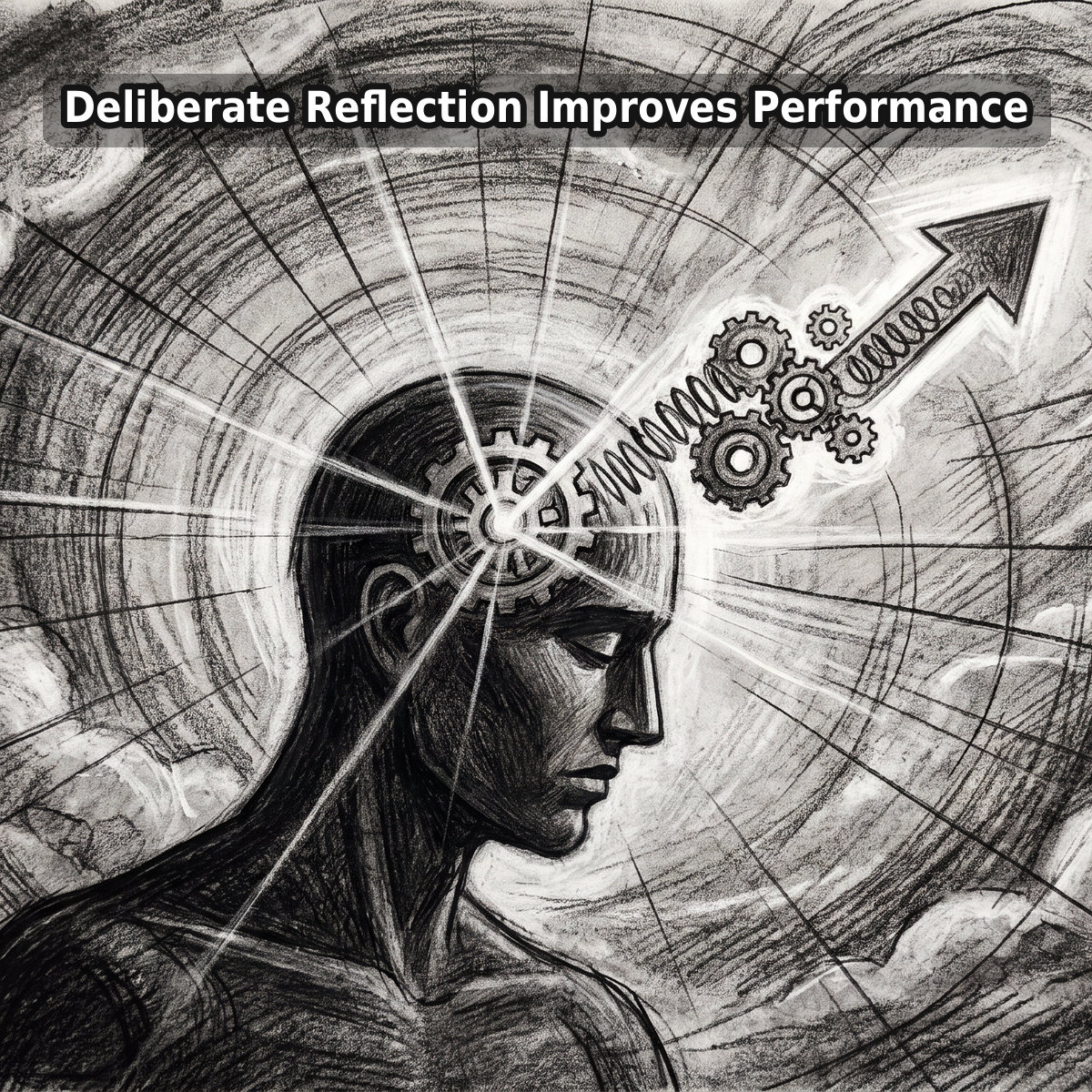
Psychologists suggest that displacement activities act as a buffer against immediate stress. By recognizing these patterns, we can consciously choose to confront rather than avoid our daunting tasks. Next time you find yourself undertaking a trivial task instead of tackling a major one, remember the blue jay and me. Pause, laugh at the absurdity, and channel your energies back to where they’re most needed. After all, every moment spent in avoidance is a moment that prolongs the stress of unfinished business.