I am in the process of designing some new ideas, new offerings, and new ways to position value to potential customers. This seems like a simple exercise from afar. Do you think I am going to sit down and come up with how to design an offering that our clients will really like? That’s no problem. I think I will just knock this out over the weekend. Then you sit down and stare at a blank screen and freeze. Why is design always so hard?
There are frameworks for tackling these problems, and some good books have been written on the subject. There are amazing pioneers in this area that largely came out of Stanford: Bob McKim, Rolf Faste, and David Kelley, to name a few. I was first exposed to this user-based design thinking when I was preparing lectures on the history of computing for a course I taught in college. A great interview with David Kelley, that discusses the early days of the “mouse” design can be found here:
However, one particular book that caught my attention was by Herbert Simon, called “The Sciences of the Artificial.” This was first published in 1969 and served as a primer on all the prevalent thinking that was going on in the 60s regarding new designs. The explosion of new devices, technology, and innovation in our lives caused many people to really contemplate whether there could be a science behind figuring out the optimal design.
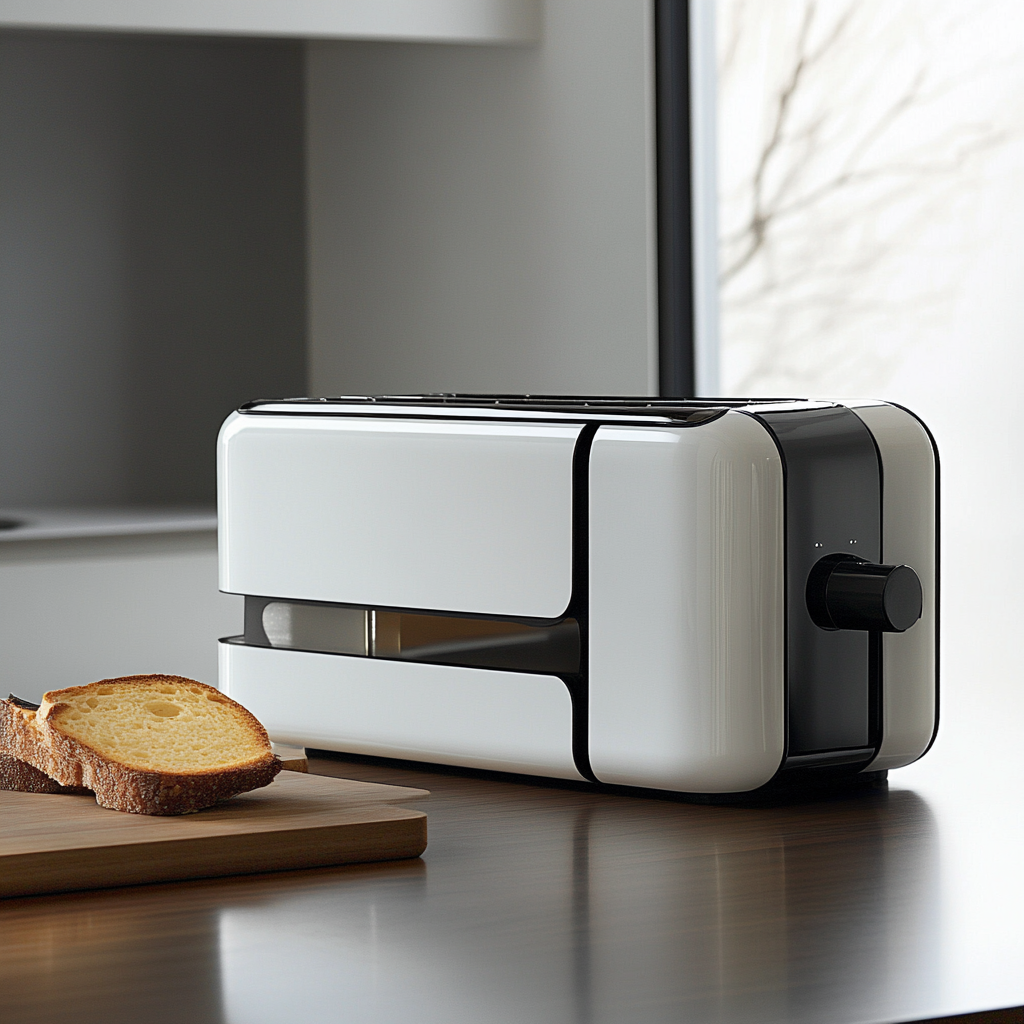
Clearly, there were some people who seemed to be so unique in their process that they were creating beautiful, functional, and inspiring designs. One of my favorites was Dieter Rams, an industrial designer with the German company Braun. He had this incredible ability to take an everyday household item and turn it into a functional piece of art with elegant simplicity. Any item he designed from the 50s and 60s looks like it belongs in a modern household. You can check out his museum here:
So, is there a science behind design that could allow us to follow a process easily and produce good results? I think that Herbert Simon got close. His book has been influential in many fields, and the idea of treating design as a scientific discipline has certainly allowed people to create an understanding of complex systems to produce practical and usable products. As Simon clearly advocates that the importance of design and creativity in human endeavors should not be treated lightly but rather a core and critical piece to a product’s evolution.
One of my favorite sections of the book is a discussion of the inner and outer environments of an artificial system that you are creating. Remember, artificial can be anything human-inspired. A machine, software, organizations, and offerings. Creating a separation between what goes on in the internal guts of an artificial system and what goes on the outside allows you to separate functionality between what is needed to get the system to work and what is needed to get the system to interact with the demands of an outside environment.
We often solve design challenges by using heuristics rather than an exhaustive search for the optimal solution. This causes us to overlook ideas that could be transformative in how we represent the value of our artificial system to other people. In the science of design, we are not focused on the way things are by providing rational explanations of the natural world. Rather, we are focused on the way things ought to be. This is the thought that has stayed with me. The concept is that when coming up with a design, you need to stay focused on the way things ought to be. Too many times in discussions about design, people will focus on the way things as they are. Design is certainly not a descriptive science but rather an exploration of what is possible.