I am visiting a hospital today. A family member had an incident that required hospitalization. While walking down the hallway toward the guest room, I heard a woman talk about the accommodations there. She was commenting to her daughter, “Well, this place isn’t the Ritz, but the people are nice here.” I took a pause to think about this sentiment, “it’s not the Ritz.”
This has been part of the English-speaking vernacular, especially in the U.S., for a long time. This idea is that the RItz is the gold standard for comparing the value of a place that you visit or are a guest. What is interesting is that the two concepts are nice places with the expensive trappings of luxury and impeccable customer service. You will note in the conversation that I overheard that she did not say that the accommodation was luxurious; she commented on the people.
As I walk around this hospital, I see an emphasis on encouraging good customer service. There are very few wall coverings. There are some nice landscape drawings and perhaps a picture of a butterfly, but the walls are eerily void of the typical bulletin boards, announcements, and flyers that you usually adorn hospital hallways. This makes the one announcement board stand out. This one is dedicated to encouraging customer feedback about the nursing staff on the floor.
It is clear after viewing this hospital’s website and some of the signage as you walk downstairs that its primary value proposition is customer service. The reason you get admitted into this place is never good, but at least when you come here, you know that the people will be nice. When I think of it, I am still waiting to come across one grumpy staff member. Even the barista downstairs in the coffee stands seems extremely interested in my experience. I do not think this happens by accident.
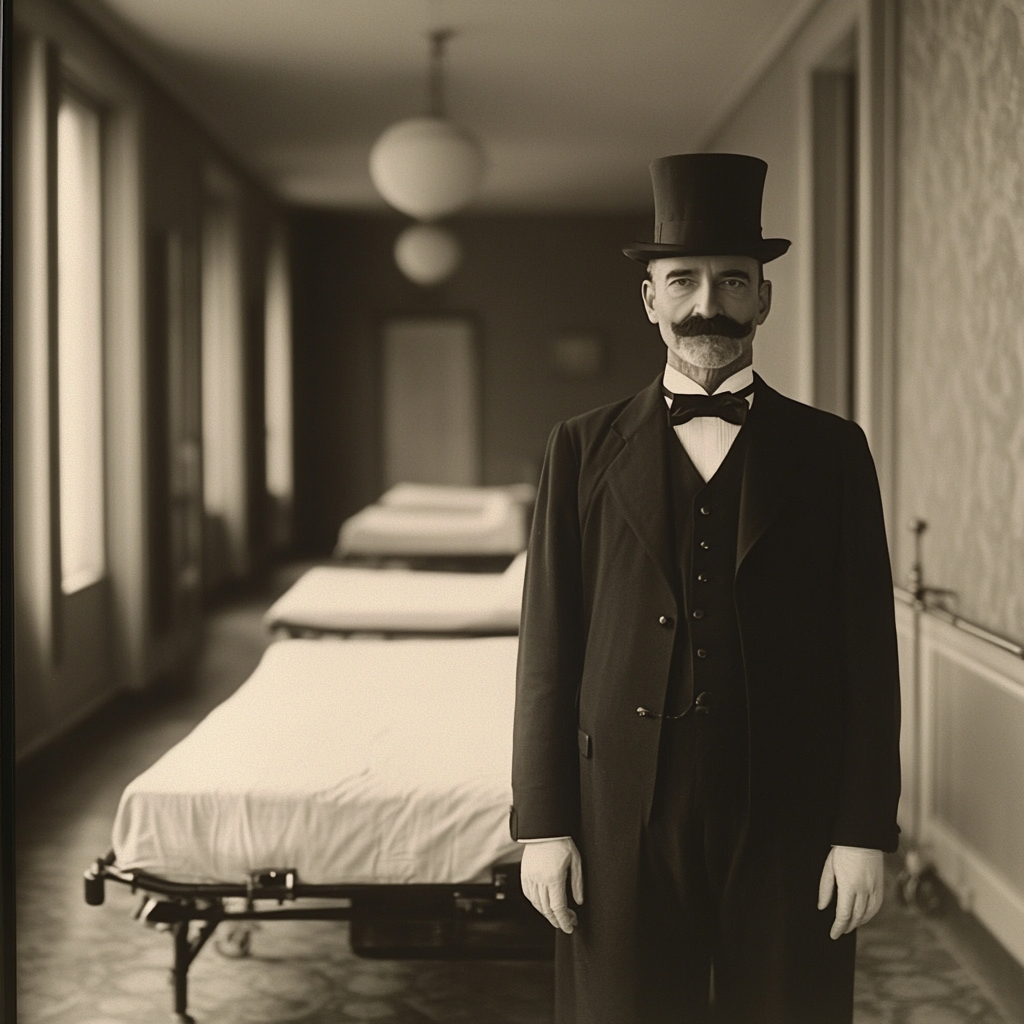
In 1927, the first Ritz-Carlton in the United States opened in Boston. They set out on day one to be the absolute pinnacle of customer service. Every guest room had a private bath, staff wore matching formal uniforms, and every room had a menu for bringing food and beverages in. All those things seem to be commonplace now, but they were not in the 20s. However, they went really far to make sure that their customer service was highly tailored to the individual. In reading the legacy section on their website, they would adjust and redecorate the rooms to match the tastes of the expected guests. Winston Churchill’s favorite color was red. Then, the room would be redecorated with red as the primary color.
The curated experience became the trademark of the Ritz-Carlton experience, and that is why this became a household name. Great accommodations and great service became synonymous, and staying at the Ritz became a simulacra representing this high standard in the minds of generations of people. So, this hospital is nowhere near the Ritz, and I look around at the sterile sameness around me. However, they are trying to make a name for themselves in customer service. Even one of our family members commented, “I never knew what a nice place this hospital was; I am glad we picked this place.” There is nothing unique here, from what I can tell. However, the one unique thing is the people.
So this is an interesting realization. It is one thing to place a claim of value on your website and other literature. It is quite another to make sure that the value statement becomes an actual promise that you will deliver. This made me think about how I am making sure that the claims that I make become promises that we deliver. At the end of the day, a value proposition is a promise that you are making to your customer. What are you doing to make sure that you keep that promise?