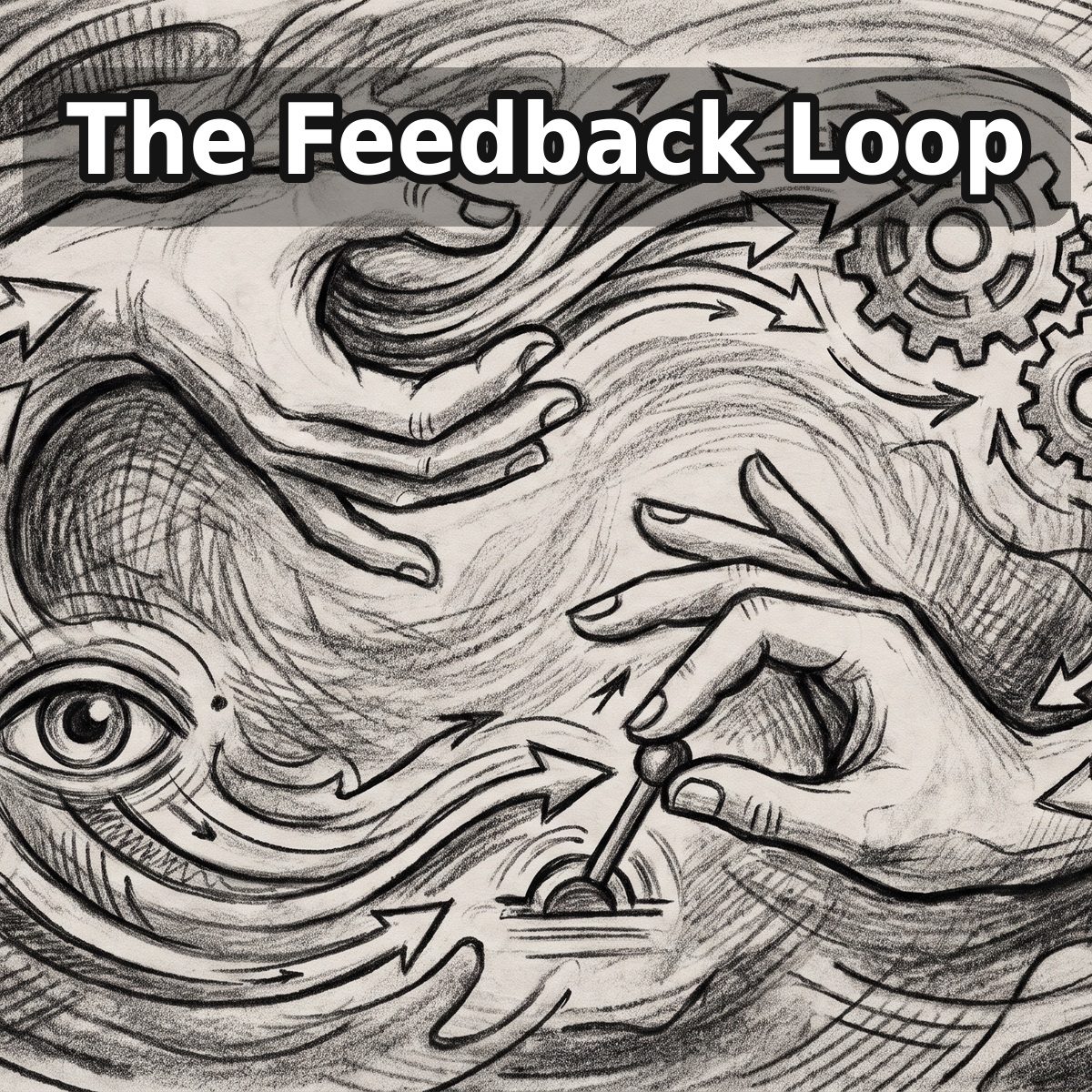
Today I was thinking about something we all encounter but rarely dissect: the tailspin—a moment when a small trigger spirals into a full-blown emotional storm. Recognizing and managing these moments can be the difference between a bad day and a productive one.
Spotting the Triggers
Early in my marriage, I learned about the power of triggers. My wife, for example, had one: a messy kitchen counter. To her, a cluttered counter symbolized chaos in the entire house. For me, it was something more personal—finding clothes to wear. Everyone has their triggers, and while it’s easy to spot them in others, recognizing your own takes introspection.
So what are triggers, exactly? At their core, they’re stimuli—internal or external—that evoke strong emotional responses. They might stem from unresolved experiences, cognitive distortions like catastrophizing, or a deep-seated need for control. For some, a trigger might even activate a fight-or-flight response to what’s objectively a minor inconvenience.
The Cost of Ignoring Triggers
Triggers derail progress. They hijack your focus, pulling emotional energy away from goals and plunging you into unproductive spirals. A dirty counter or misplaced shoes may sound trivial, but these small frustrations can escalate, activating stress hormones and narrowing your thinking. Instead of tackling the problem head-on, you might disengage, procrastinate, or even give up entirely.
But here’s the thing: triggers are predictable. They follow patterns, and once you recognize those patterns, you can start taking control.
Steps to Tame the Tailspin
- Identify Your Triggers – Keep track of what sets you off. When you feel frustration bubbling, ask yourself: What just happened? Why did this moment upset me? Write it down, and over time, you’ll notice recurring themes. Whether it’s a fear of imperfection, the need for validation, or just stress overload, recognizing the pattern is the first step to breaking it.
- Pause and Reflect – Instead of reacting, pause. Take a deep breath. Ask yourself, Is this as big as it feels right now? Reframing the situation can help you de-escalate your emotions.
- Practice Self-Talk – Yes, it sounds cheesy, but positive self-talk works. Tell yourself, This is a setback, not a failure. I can handle this. The more you practice, the more resilient you become.
- Minimize Triggers – Simplify your environment. If clutter stresses you out, declutter. If travel makes you anxious, plan ahead. Invest in solutions that make life easier—it’s worth the effort.
- Embrace Flexibility – Life is unpredictable. Accepting imperfection and adapting to disruptions is a skill that takes time but pays off in spades. When a trigger pops up, remind yourself: Will this matter a year from now?
- Lean on Your People – Trusted friends, a spouse, or colleagues can be an invaluable support team. Share your triggers with them—they’ll help you navigate those moments when you feel stuck.
The Payoff
By identifying and managing triggers, you can stop the cycle of tailspins. More importantly, you’ll free up emotional energy to focus on your commitments. Resilience isn’t about never getting upset; it’s about bouncing back and staying the course.
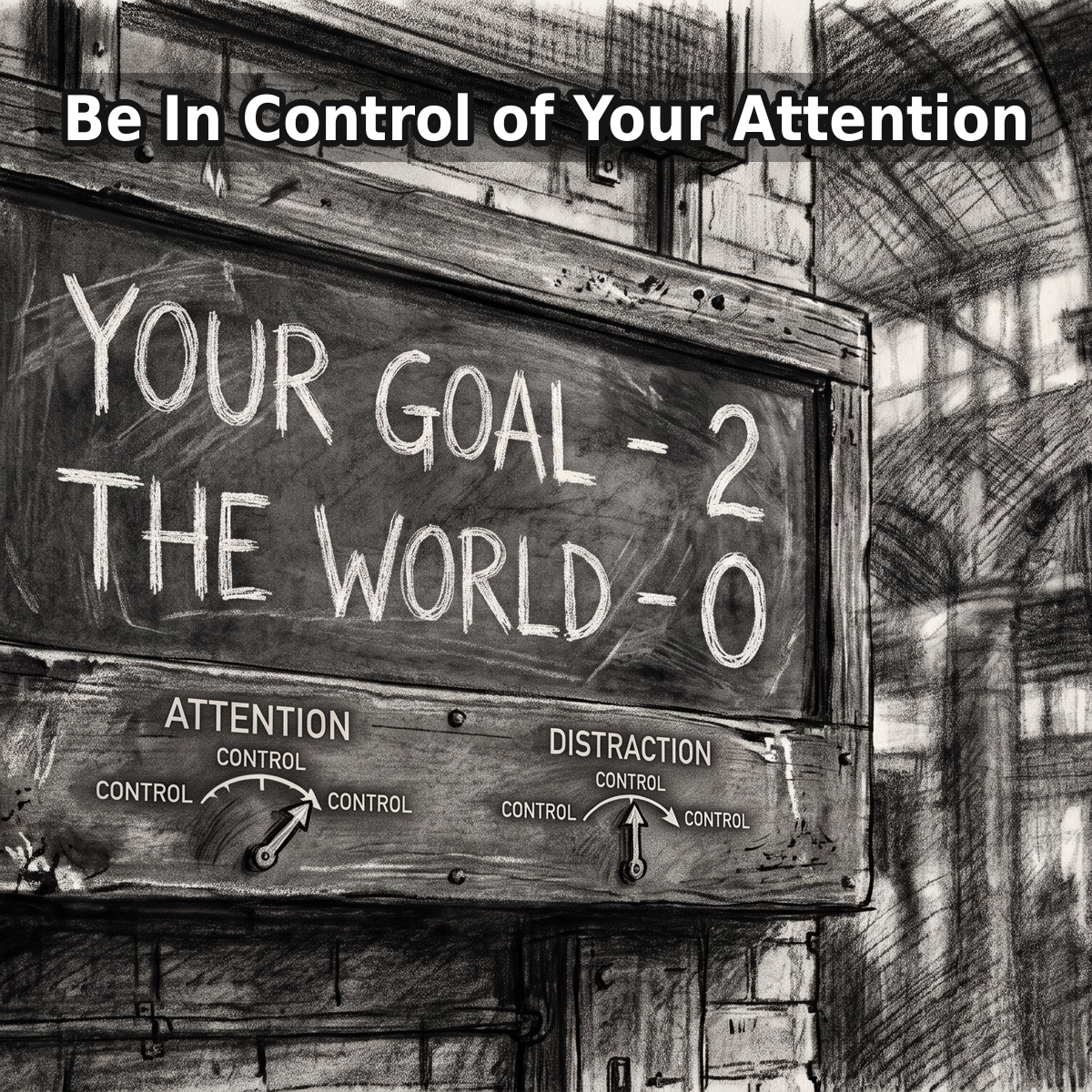
When you prevent the spiral, you stay in control—and that’s where real growth begins.