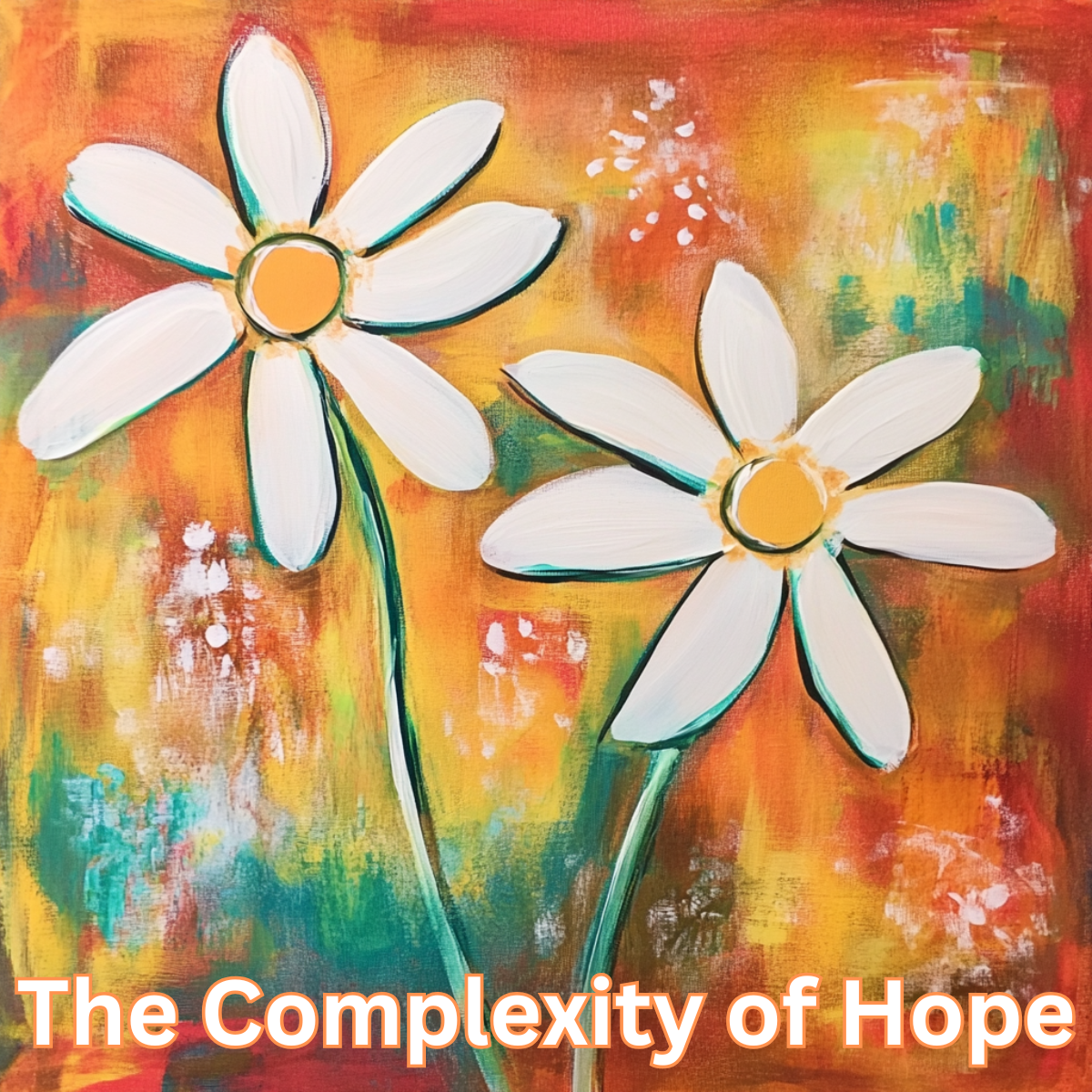
Hope is just not that simple. The idea of hope is a layered experience that is complicated. We usually wrestle with hope when we are feeling the most vulnerable, as it is always the idea that propels us forward when we are facing the worst. Anticipation. Desire. Optimism. These are all related to the idea of hope. When we are faced with uncertainty, we attempt to believe a better outcome, even though we have no idea what is lurking around the next corner. Hope is humanity. The ulimate paradox. The source of great strength, yet also the path toward disappointment.
The Emotional Layers of Hope
Hope is not a singular feeling; it is a dynamic interplay of emotions and cognitive processes. Hope can be all of these things and some of these things all at the same time. We can be optimistic, believing our situation will change. We can desire something specific. We can acknowledge to ourselves that success is not guaranteed, but continue on anyway. We can marshal courage and trust in just the possibility of change and we can also be resilliant, having endurance to push forward despite setbacks. All of this is hope.
Each of these elements contributes to hope’s complexity. Without optimism, hope becomes passive; without courage, hope remains an abstract dream; without resilience, hope crumbles under hardship.
Hope in Contrast to Other Emotions
Hope is often mistaken for other emotions, and often hope becomes personified. Perhaps through a relationship with another person, object or diety. Hope is often mistaken for other emotions, but it carries its own distinct nature.
- Hope vs. Joy – Joy is a present-moment experience, a reaction to something that has already happened. Hope is different. Hope is allows us to feel excited or enthusiastic about something that has not happened yet.
- Hope vs. Fear – Both emotions deal with uncertainty, but while fear anticipates a negative outcome, hope expects a positive one. They often coexist, creating an emotional tug-of-war between doubt and possibility.
- Hope vs. Despair – Despair is the absence of hope. It often emerges after repeated disappointments, when optimism fades and uncertainty feels overwhelming. Yet, even in moments of deep despair, hope can be rekindled—sometimes through action, sometimes through the belief of others.
The Power of Hope
Hope is powerful because it has the ability to lift us out of despair, but also can sustain us through any adversity. It can be the one thing that keeps us moving forward when everything else feels impossible. Psychologists often refer to hope as a motivating force—an inner drive that helps us persist toward our goals despite challenges.
Hope is both fragile and resilient. It can be easily shaken by failure or rejection, but when nurtured, it becomes a force that defies doubt. It is not a passive wish; it is an active choice to believe in possibility. Even in the darkest moments, hope is the quiet voice that whispers, “Things can get better.”
At its core, hope is a refusal to surrender to the present. It is a belief in something more, a commitment to a future not yet seen. And in that way, hope is not just something we feel—it is something we live.