Day 210 – When Persistence Becomes Stubborn

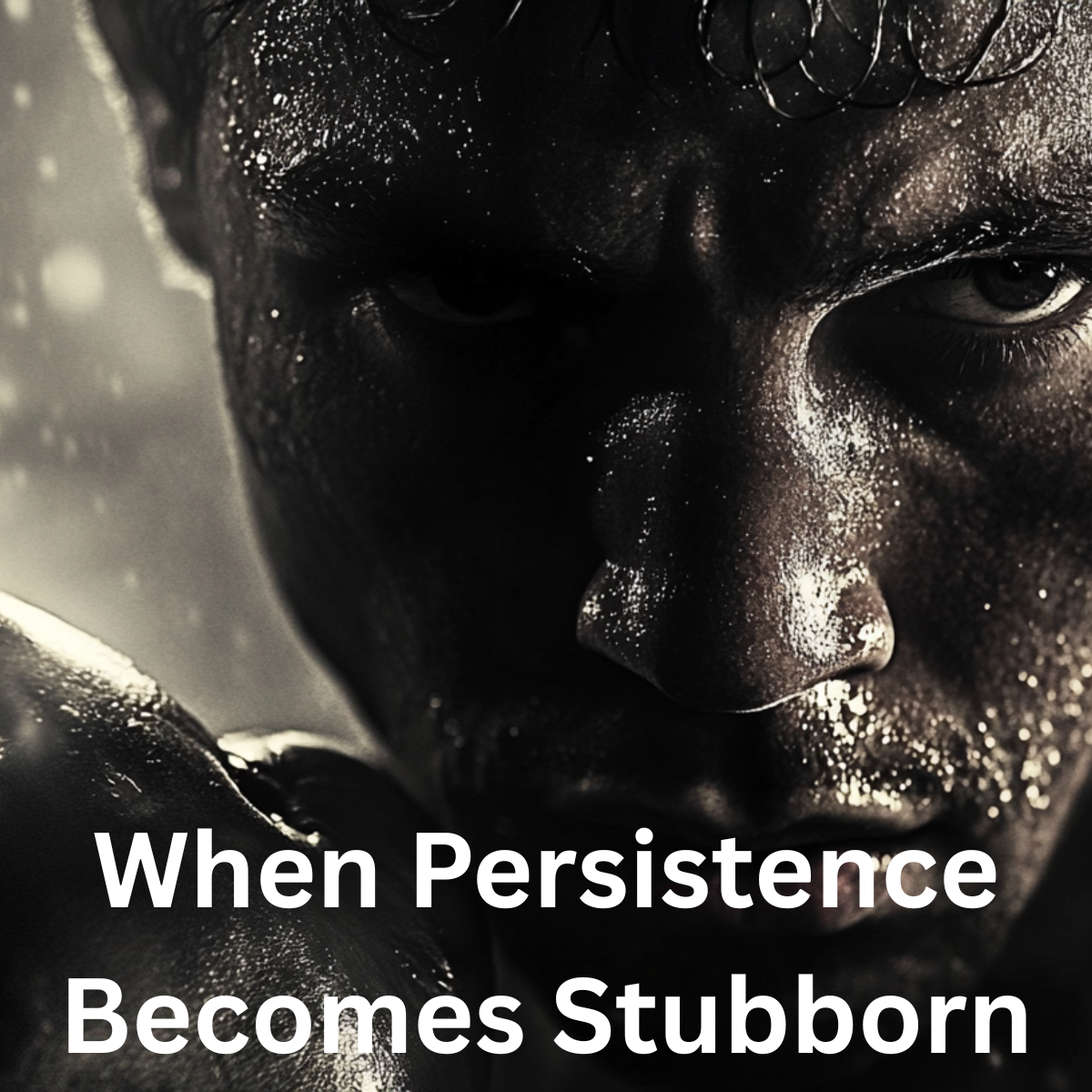
We are told that we need to be more persistent. “Persistence pays off,” we are reminded. We hear stories of the dogged determination of successful people who pursued a path and, despite countless setbacks, ultimately prevailed because they kept up the pursuit. The heroes of our stories and films triumph after pushing through against overwhelming odds—the underdog boxer who gets pummeled nearly to death, rising from the canvas, continuing to fight despite the best advice to throw in the towel.

Yet this narrative leaves us with a profound dilemma: When should we give up?

Persistence is undeniably valuable. It fuels innovation, progress, and personal growth. But equally essential—and far less celebrated—is the wisdom to know when persistence becomes stubbornness, when resilience gives way to futility. Recognizing this boundary is neither simple nor straightforward, yet it is crucial.

There are moments when continuing on a path leads not to triumph, but to deeper frustration, wasted energy, and missed opportunities elsewhere. Perhaps we cling to failing ventures, toxic relationships, or unfulfilling careers because we have internalized the mantra that persistence always pays off. In truth, sometimes persistence costs us dearly.

Determining when to give up requires courage, humility, and a clear-eyed assessment of reality. It demands introspection: Are we still driven by passion and purpose, or merely by pride or fear of admitting defeat? Are there realistic signs of progress, or are we entrenched in diminishing returns?

Giving up does not inherently mean failure; it can mean wisdom, adaptability, and maturity. True success often involves knowing when to pivot, when to release old dreams to make space for new possibilities, and when to prioritize emotional and mental well-being over relentless pursuit.

Perhaps we should redefine our heroes, not only by their victories but by their discernment. Sometimes, the bravest choice is knowing when to let go.


Subscribe
Notify of
guest
0 Comments
Inline Feedbacks
View all comments
Share the Post:

Recent Blogs

Day 337 – Principle Artifact Confusion

The author draws a parallel between the barefoot running craze and the current hype around AI coding tools, highlighting the danger of “Principle–Artifact Confusion.” This occurs when a sophisticated practice is reduced to a product, and the product is then mistaken for the underlying principle that made the original practice successful. The article emphasizes that AI should amplify good fundamentals, not replace them.

Read More

Day 336 – Your Presenteeism is Not Useful

This article challenges the common belief that simply being present at work, even when performing suboptimally, is beneficial. It argues that ‘presenteeism’ can lead to decreased output, increased mistakes, and prolonged recovery, ultimately creating a ‘recovery debt.’ The piece advocates for deliberate rest as an investment in future productivity, emphasizing that true recovery involves activities like sleep, proper nutrition, and disconnecting from work, rather than passive leisure.

Read More

Day 335 – A Life is a Story, Not a Snapshot

This article explores the danger of judging a person’s worth based on their current circumstances, likening it to viewing a life as a snapshot rather than a long trajectory. The author shares a personal anecdote about photographing a homeless man in high school and reflects on how easily we reduce individuals to their present condition. The piece emphasizes that human value is not a snapshot and should not be solely tied to current productivity, advocating for a recognition of a lifetime’s accumulated worth.

Read More

Day 334 – A Lucky Day

While waiting in a long pharmacy line, the author reads the story of Richard Laver, founder of Lucky energy drink, who survived a plane crash in 1985. This event, Delta Flight 191, sparked reflections on how pivotal moments can shape lives, airline safety, and the technological advancements of that same year.

Read More
0
Would love your thoughts, please comment.x
()
x