I was sure this was it. My suspicion had always been that there were monsters lurking in my closet. My parents told me I was being silly, that my imagination was running wild. They insisted I needed to stop reading fantasy fiction—claiming the subject matter was too mature for me. Never mind that my mom had made me watch every ’70s horror movie ever created. But now, it was finally happening. My fears were becoming real. My parents were oblivious. I, the lone resident of the second story in our three-story home, was surely doomed. I would be the first to go. Silently, I prayed that my sister, who slept in the room above me, would hear my cries and safely escape off her balcony. Peeking through the sheets I’d thrown over my head in a last-minute attempt to hide from the impending horror, I could just make out the glint of razor-sharp teeth emerging from the closet. Closing my eyes, I prayed fervently to every deity I could recall, shaking in a cold sweat. Goodbye, cruel world. It was all over now.
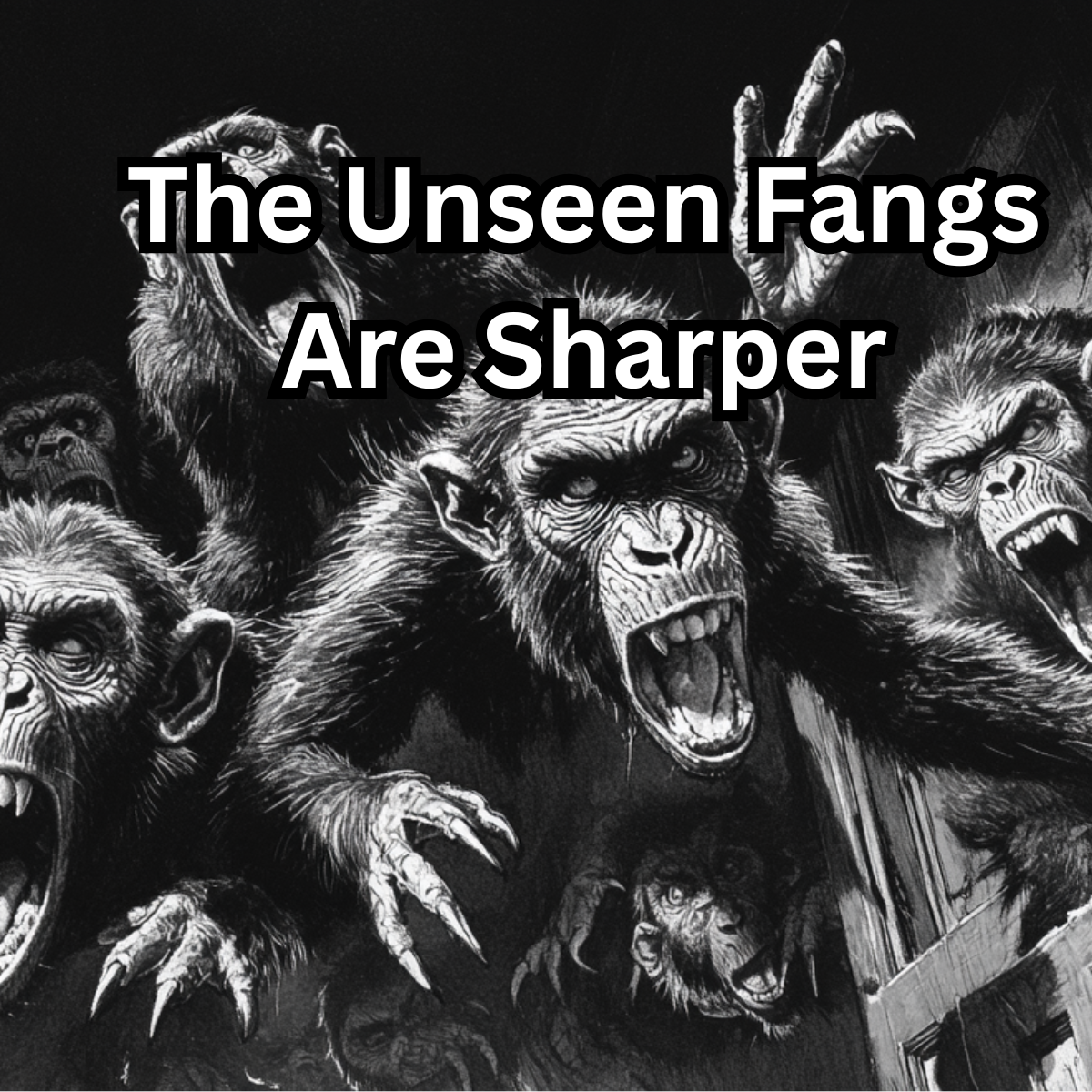
I woke up—or at least I thought I did. This dream was remarkably realistic and always repeated itself. In a few moments, I would slowly walk toward my closet to inspect what I had seen. Were those really fangs? No! Just a metal hanger catching the gleam of moonlight. I would breathe a sigh of relief and chuckle softly to myself. Just as I’d start to turn away, I’d hear a rustle in the closet behind me. Slowly turning, I’d see a pair of gleaming red eyes—and then another, and another. In the next instant, a band of flying monkeys would burst from the closet, shrieking and clawing at me, intent on throwing me out the window. Then, I’d wake up again.
This dream recurred every year during Christmas break. I have no idea why, but it persisted for several years. A Jungian psychologist once shared some intriguing insights about deeper meanings behind it. Perhaps it began when I was reading the Oz Chronicles. Whatever the cause, these dreams deeply impacted me, and each year, I would dread the return of this nightmare. My imagination amplified it further every year—until one year, it didn’t happen. Instead, I adopted an attitude of defiance. When I noticed the familiar glint of fangs, I simply rolled over and pretended they weren’t there. Feigning disinterest, I challenged my imaginary attackers, “If you’re going to attack, just get it over with. I’m bored with this routine. Can we skip to the part where you throw me out the window so I can get back to sleep?”
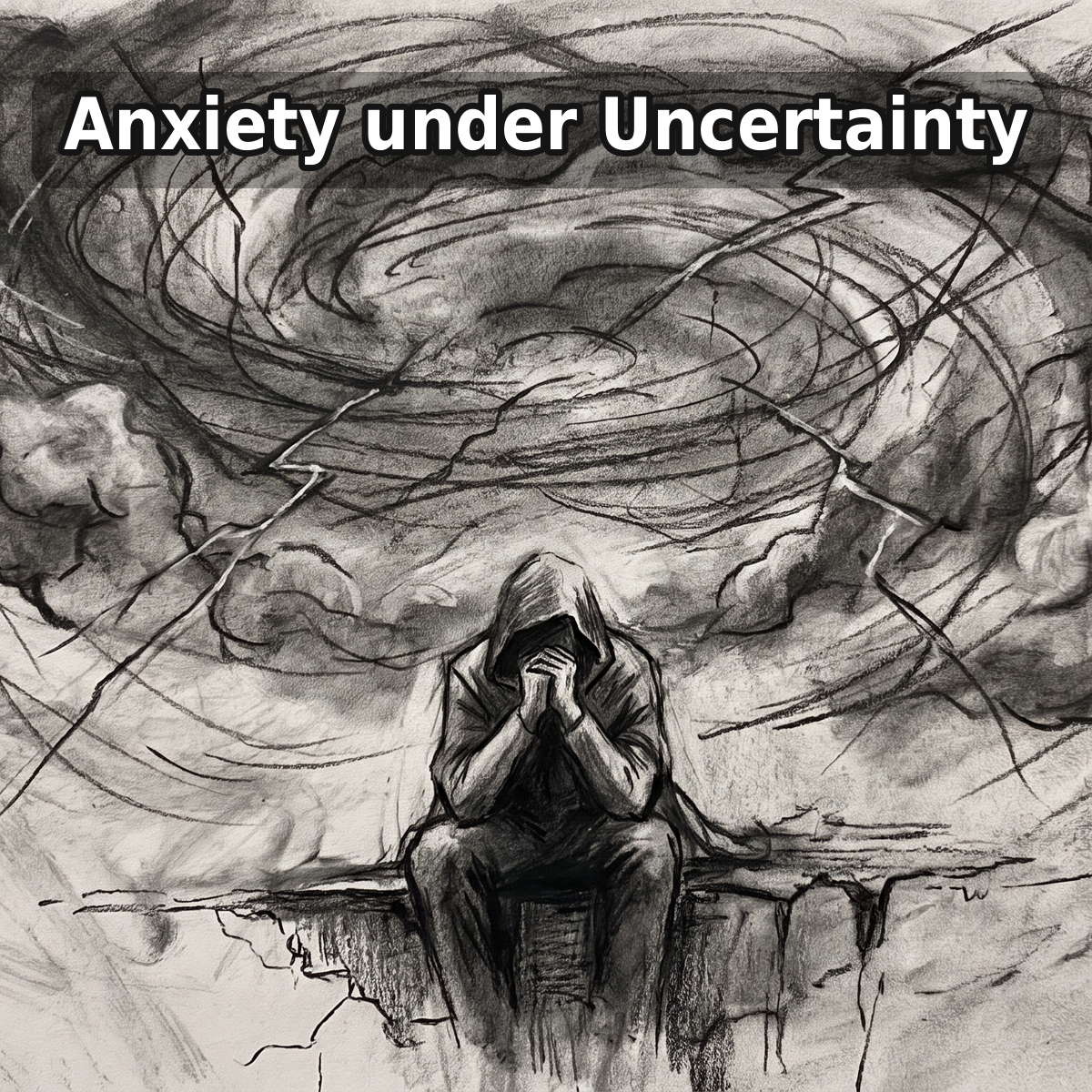
I bring this dream up because it was around this time in my life that I realized imagined fear was far worse than actual danger. Starting middle school, I was constantly afraid of being beaten up, saying something stupid, or being mocked for my appearance. I worried incessantly about how others perceived me and how I should behave. Neighborhood bullies who had tormented me during childhood became my nemeses in seventh grade, always lurking to push me down or punch me. Shortly after confronting this recurring dream, one of these bullies cornered me in gym class, trying to intimidate me. Without thinking, I punched him square in the face, knocking him to the ground. He never touched me again—although his friends did. They cornered me in shop class and punched me in the stomach, knocking the wind out of me. My worst fear had materialized: the bullies resorted to physical violence. Yet, just like the dream, I discovered that a seventh grader’s punch wasn’t that bad. I could handle it, and if they tried again, I’d be ready. Again, reality proved far less daunting than my imagination.
Years passed, and gradually, I realized that if I allowed myself, I could imagine scenarios far worse than they actually were. I could devise endless reasons why something would or could go wrong. I could talk myself out of nearly anything through endless “what-if” scenarios, finding risks behind imaginary corners and unseen dangers lurking in every closet. Eventually, I adopted a new mindset: I’d give things a shot first and see what reality brought before passing judgment. Sure, I’d approach cautiously, but fear would no longer dictate my actions. By the end of high school, fear of the unknown ceased to paralyze me. I acted boldly, taking risks and confronting any imagined monster, daring it to show me just how dangerous it truly was. This experience taught me a powerful, necessary reminder: fear often exaggerates reality. Fear is beneficial when protecting us from immediate harm, but it’s crippling when it prevents us from seizing opportunities for growth.
Next time you’re about to embark on something risky, feeling overwhelmed with fear and trepidation, pause and recall this lesson. Your fear magnifies potential dangers exponentially. Instead of imagining every possible catastrophe, shed light on your fears and confront them directly. Once you begin and push through the initial hesitation, you’ll inevitably realize your imagination got the best of you. There are no flying monkeys in your closet.