I’m a bit of an old-school romantic, so when I wake up feeling listless, I often crack open one of the old books on my shelf. In this case, I opened a volume of Shakespeare’s works, and as fate would have it, I landed on The Merry Wives of Windsor.
In this story, there’s a soldier named Pistol, an ensign full of swagger and hot air. He’s loud, boastful, and dramatically over-the-top — often to the point of absurdity. He tries to sound brave and poetic, making bold claims and empty threats, but he rarely follows through. Instead of sounding heroic, he comes across as a fool — often playing the role of comic relief across a few of Shakespeare’s plays.
In this particular one, Pistol is part of a group of scoundrels that includes Falstaff, one of Shakespeare’s most famous comic characters. Falstaff is a fat, aging knight known for his wit and charm — but also for being a complete coward. He’s a drunkard, a liar, a freeloader, and a schemer always looking for the next scam. Interestingly, he was once the mentor and drinking companion of Prince Hal, the future King Henry V.
In The Merry Wives of Windsor, Pistol refuses to join Falstaff’s scheme to seduce wealthy women for their money. As retaliation, Falstaff refuses to lend him money. The exchange goes something like this (paraphrased):
Falstaff: “I will not lend thee a penny.” Pistol: “Why then the world’s mine oyster, which I with sword will open.”
Here, Pistol is declaring that if Falstaff won’t give him money, he’ll go out and get it himself — by force, if necessary. The imagery is of prying open an oyster with a sword to find a pearl.
Today, the phrase “The world is your oyster” is used to express the idea that you have the opportunity to achieve anything in life — that the world is full of potential and hidden treasures if you’re willing to pursue them. But I’m not sure that was Pistol’s intent. He wasn’t offering a motivational mantra. He was blustering, pretending he had the power to extract what he wanted from the world — if only he had to.
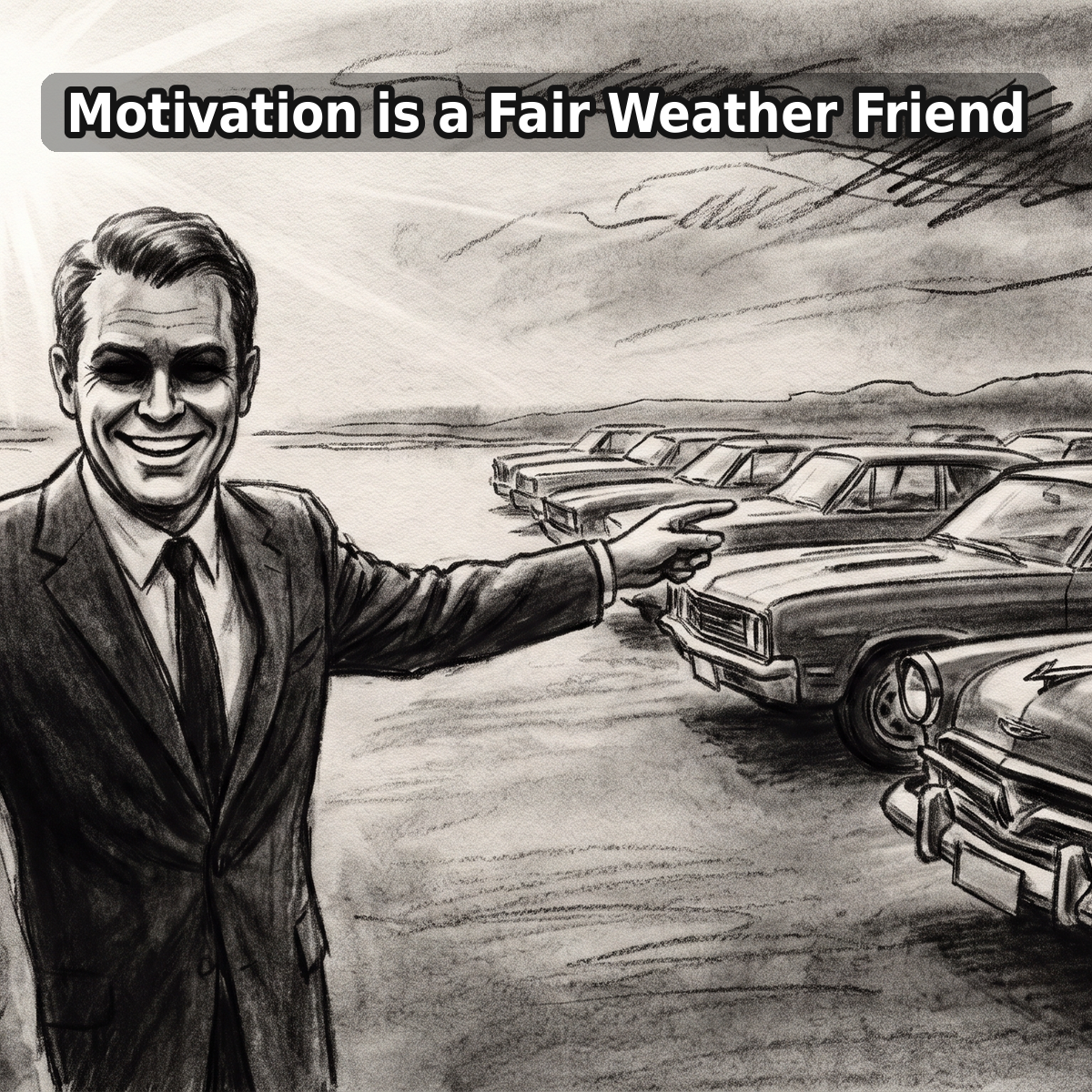
Pistol’s line sounds bold, even inspiring, at first glance. But when you understand his character, you see the irony. He’s all talk and rarely achieves anything. His “sword” is just metaphor — a symbol of bravado without substance. Shakespeare is mocking the kind of overconfidence that lacks real effort, discipline, or skill.
Falstaff, on the other hand, doesn’t even pretend to be noble. He’s a schemer, a glutton, a coward — but he’s also clever, self-aware, and deeply human. He avoids risk, manipulates others, and makes people laugh. Unlike Pistol’s posturing, Falstaff’s flaws are honest and relatable. He isn’t trying to conquer the world. He’s just trying to survive it — comfortably, even if dishonorably.
Both characters are flawed. One is deluded; the other is resigned. And Shakespeare, in his brilliance, leaves it to the audience to decide which is more tragic.
As I was working today, I kept thinking about that passage I read this morning. Was it a cautionary tale I happened upon? Is there something meaningful for me to take from it?
We all have a little Pistol in us — the part that wants to believe we can seize life and bend it to our will. And we all have a little Falstaff — the part that thinks the game is rigged, so we might as well drink and laugh. The danger is in believing Pistol’s confidence without the substance, or falling into Falstaff’s resignation without striving for something greater.
Hopefully, I can be neither of these characters.
To avoid being Falstaff or Pistol means steering clear of two classic human errors:
- Falstaff’s resignation — choosing comfort, cynicism, and clever excuses over meaningful action.
- Pistol’s delusion — choosing empty bravado, fantasy, and inflated ego without foundation.
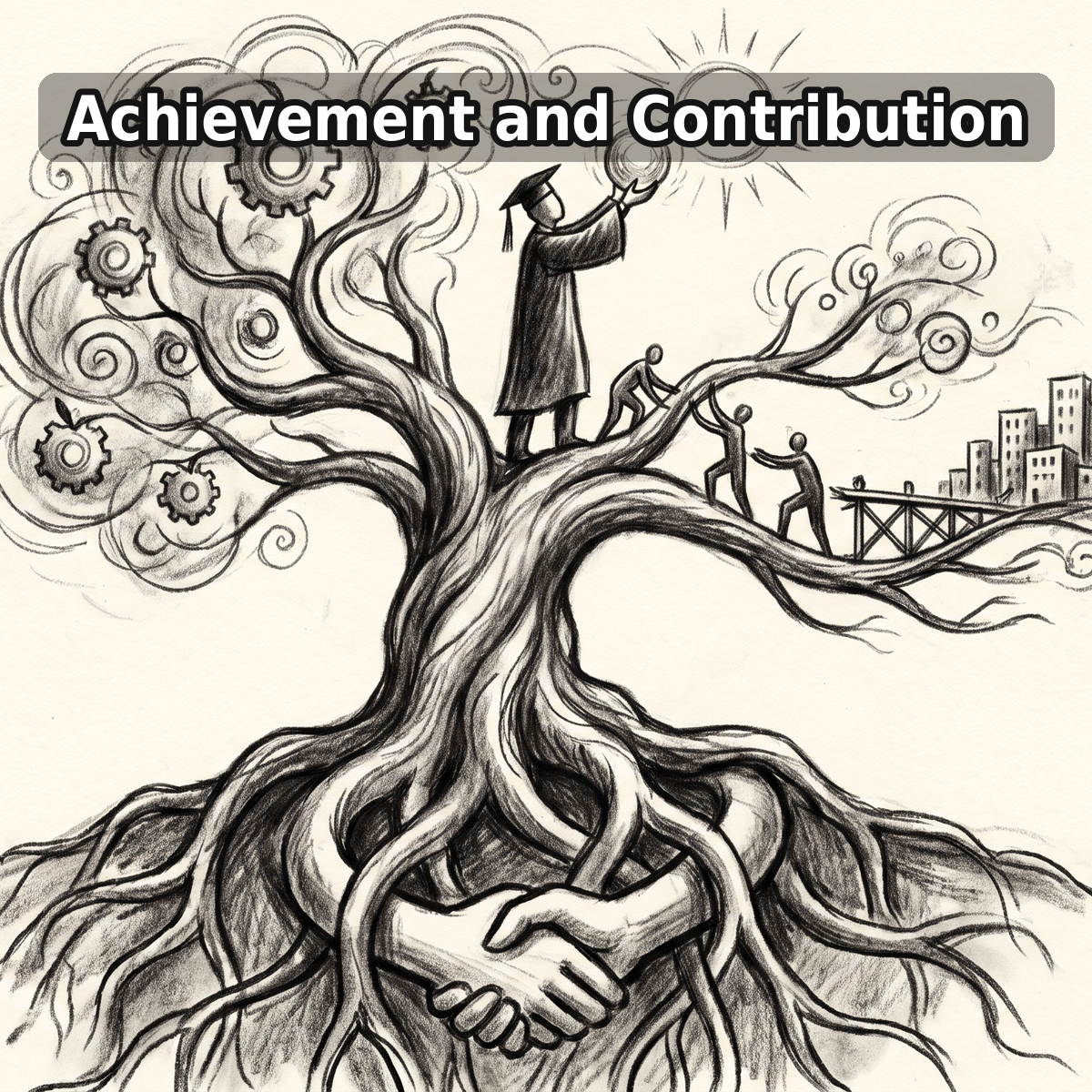
Instead of becoming the resigned knight like Falstaff, who hides behind wit and comfort, or the delusional ensign like Pistol, who blusters with empty bravado, I can choose to be a wise warrior — someone who faces the world with quiet courage, disciplined action, and grounded ambition. The wise warrior does not pretend the world owes him anything, nor does he shrink from its challenges. He earns his confidence through effort, builds strength through humility, and pursues meaning over ego. He laughs, but not to escape; he dreams, but not to deceive himself. He shows up — prepared, principled, and patient — ready not to conquer the world, but to contribute something worthy to it.