Years ago, I found myself in the middle of a mess, one I had largely created myself. In an unusual moment of sarcasm, I picked up the phone and called the executive I reported to. I launched into a mock tirade, telling him how lucky he was that I had stepped in and cleaned up his chaos. I explained, tongue firmly in cheek, how my exceptional performance had saved the day and how he should really be thanking me for my brilliance.
In truth, I had gone rogue. I made a few decisions that brought more heat than light, and this was my awkward, sideways attempt at an apology. He played along, told me I was a giant pain in the ass, and said he should probably fire me. I told him he should, put me out of my misery. That is when he paused and said something I will never forget.
“You’re bigger than your problems.”
It is hard to overstate how much that phrase has shaped my thinking ever since. Because here is the truth: everyone screws up. Everyone. People miss deadlines, botch deals, say something stupid, lose a client, misread a situation, or fall short in some spectacular way. That is part of being human. What separates the average from the exceptional is not the absence of mistakes, it is the presence of production.
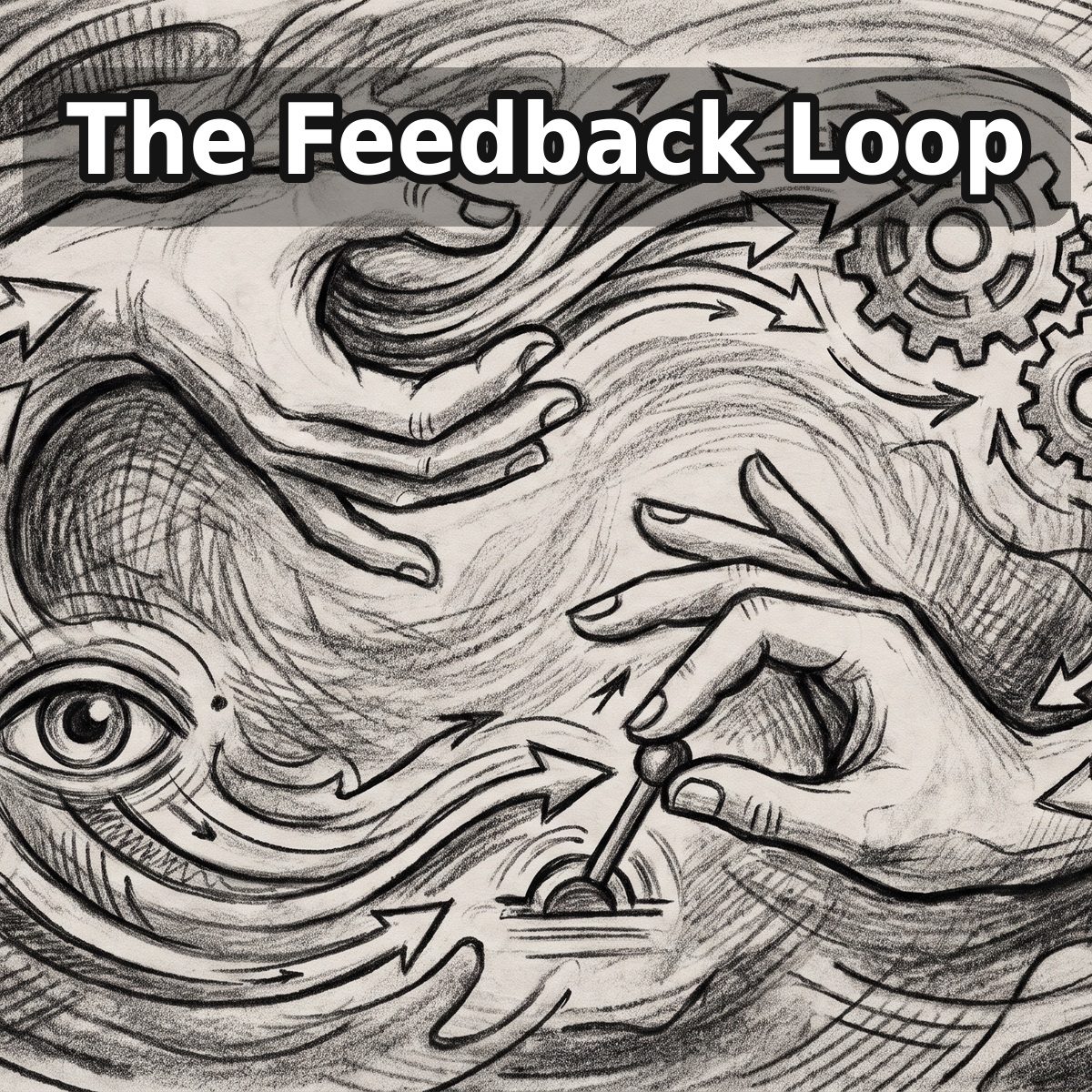
The ultimate test is this: are you producing enough value to outpace your problems?
That is what my boss was telling me. I had created problems, yes. But I had also produced results, enough of them that he was willing to shoulder the fallout. Enough that he did not even consider letting me go. That moment became a permanent mental marker for me.
It is easy to misunderstand power and position. You look at someone in a leadership role and see only their flaws. You wonder, how did they get there? You see the chaos they create, the emotional outbursts, the shortcuts, the blind spots, and you think, I could do better. What you do not see is the weight they carry. You do not see the production. The senior partner may drive everyone crazy, but without their client list, the firm does not survive. That fact forgives a lot of quirks.
This is everywhere. We make allowances for all sorts of imperfections when we are receiving enough in return. A customer might ignore late updates if you are solving their biggest pain point. A voter may overlook personal flaws if a politician is delivering what matters most. This is not always just, and it is not always rational, but it is real.
Being bigger than your problems is not about pretending they do not exist. It is about producing enough to carry them, and then some.
If you are facing resistance, if your feedback is dismissed, or your complaints fall on deaf ears, before you assume ignorance or injustice, check your own production. Are you delivering enough value? Are you doing the one thing that matters most, and doing it well? Because when you are, people will often forgive the rest. When you are not, the smallest issues become deal breakers.
It is a sobering, but powerful principle: be bigger than your problems.
Not because you never make mistakes, but because you produce enough to outweigh them.