Sometimes the language changes, but the challenge stays the same. These days, I keep hearing the phrase “stop the scroll.” It is a modern way of saying that we need to make people look up from the constant stream of content and notice us. It sounds new, but it is an old question dressed in today’s clothes. People have been wrestling with attention since long before social media. P.T. Barnum made an entire career out of it.
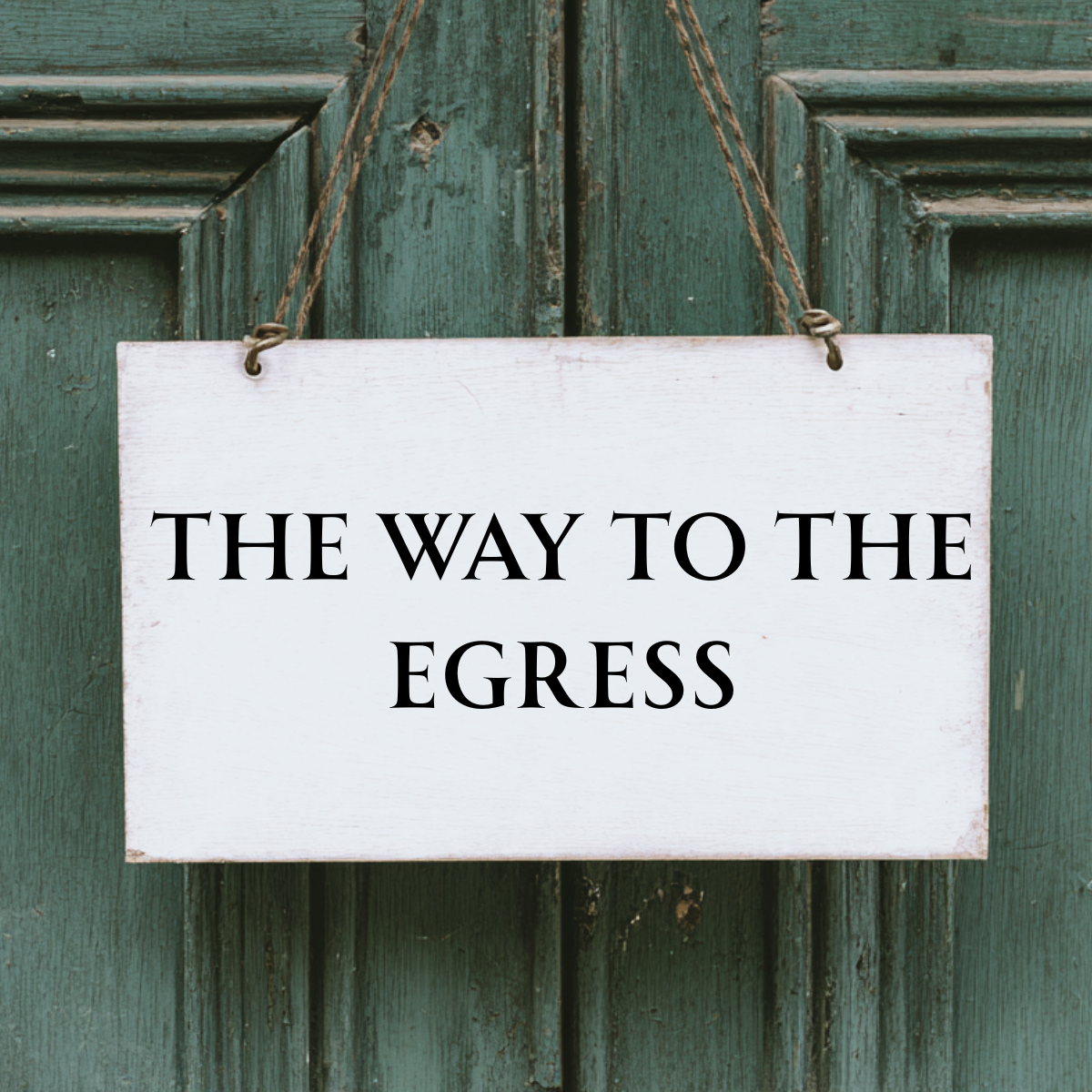
One of my favorite examples is his famous Egress trick at the American Museum in New York. On busy days, the place was overflowing. Crowds would linger for hours, making it hard for new paying visitors to get in. Barnum did not want to confront anyone directly, so he found another way. He put up a sign that read, This Way to the Egress.
Most visitors had never heard the word before. They assumed it was some exotic animal or a rare exhibit. Following the sign, they found themselves outside on the street. The Egress was the exit. To see more, they had to re-enter through the front and buy another ticket.
It was part mischief and part showmanship. Yes, people were tricked for a moment, but the museum was so full of wonders that they usually laughed, paid again, and went back inside. Barnum understood something important. Surprise alone is not enough. If you shock someone and then disappoint them, you lose their trust. If you surprise them and still give them value, they will remember you fondly and may even tell others about the experience.
When we talk about stopping the scroll, we are really talking about creating our own version of the Egress sign. Something that makes people pause, tilt their head, and think, Wait, what is that? But the hook is only the start. The real measure is whether, after we have their attention, we give them something worth their time.
Attention is a gift. Barnum’s genius was not just that he could get people to look. It was that he could send them away feeling like they had been part of a story worth telling. In a noisy world, that is still the only kind of attention worth keeping.