Being in a startup company reminds me far too often of television series from the mid 1980s. The one that comes to mind is the action adventure series that ran in the mid 80s called “The A Team.” The A Team were former U.S. Army Special Forces soldiers who were wrongly accused of a crime during the Vietnam War. They escaped from military prison and became soldiers of fortune. While fugitives, they helped innocent people in trouble, often standing up to corrupt businessmen, criminals, or local bullies. Now, I am not a soldier of fortune, and I am not fighting crime, but the basic outline of the cookie cutter plot pretty much mimics my day.
Here is the formula for the A Team:
- A client seeks their help.
- The team investigates and develops a plan.
- They face setbacks or betrayals.
- They build improvised weapons or vehicles, often out of scrap.
- Big final showdown where the plan comes together.
- Villains are defeated, often without much bloodshed. Lots of bullets and explosions, but rarely serious injury.
The fun part is at the end. Colonel John “Hannibal” Smith, played by George Peppard, would pop a cigar in his mouth and, with a wide grin, say, “I love it when a plan comes together.” Of course, they never really had a plan. They never intended to do what they did at all; it all just sort of happened, and by some miracle and a stroke of luck, charisma, and some ingenuity, they would somehow escape certain death and live for another episode.
The show has a few main characters. The leader is Hannibal; then you have B. A. Baracus, played famously by Mr. T; Murdock, the crazy, nonsensical helicopter pilot; and Face, the smooth talking, charismatic, handsome devil who would get them both in and out of trouble with equal skill. Not to name any names or point any fingers, but there are times when I feel like I have landed right in the middle of one of these episodes.
I think the reason is that the show sold this fantasy of competence quite well. The A Team represented the idea that with the right skills, teamwork, and creativity, you could overcome any problem. Improvised tank out of farm equipment? No problem. Outsmarting an army of thugs with just four guys? Done. The show sold the dream of being resourceful, brave, and always one step ahead. Every episode positioned the A Team as champions of the oppressed. The villains were usually bullies, mobsters, or corrupt officials, easy for audiences to root against. The team’s fugitive status also made them underdogs themselves. This gave the show a built in sense of moral clarity: the good guys may be outlaws, but they fight for justice.
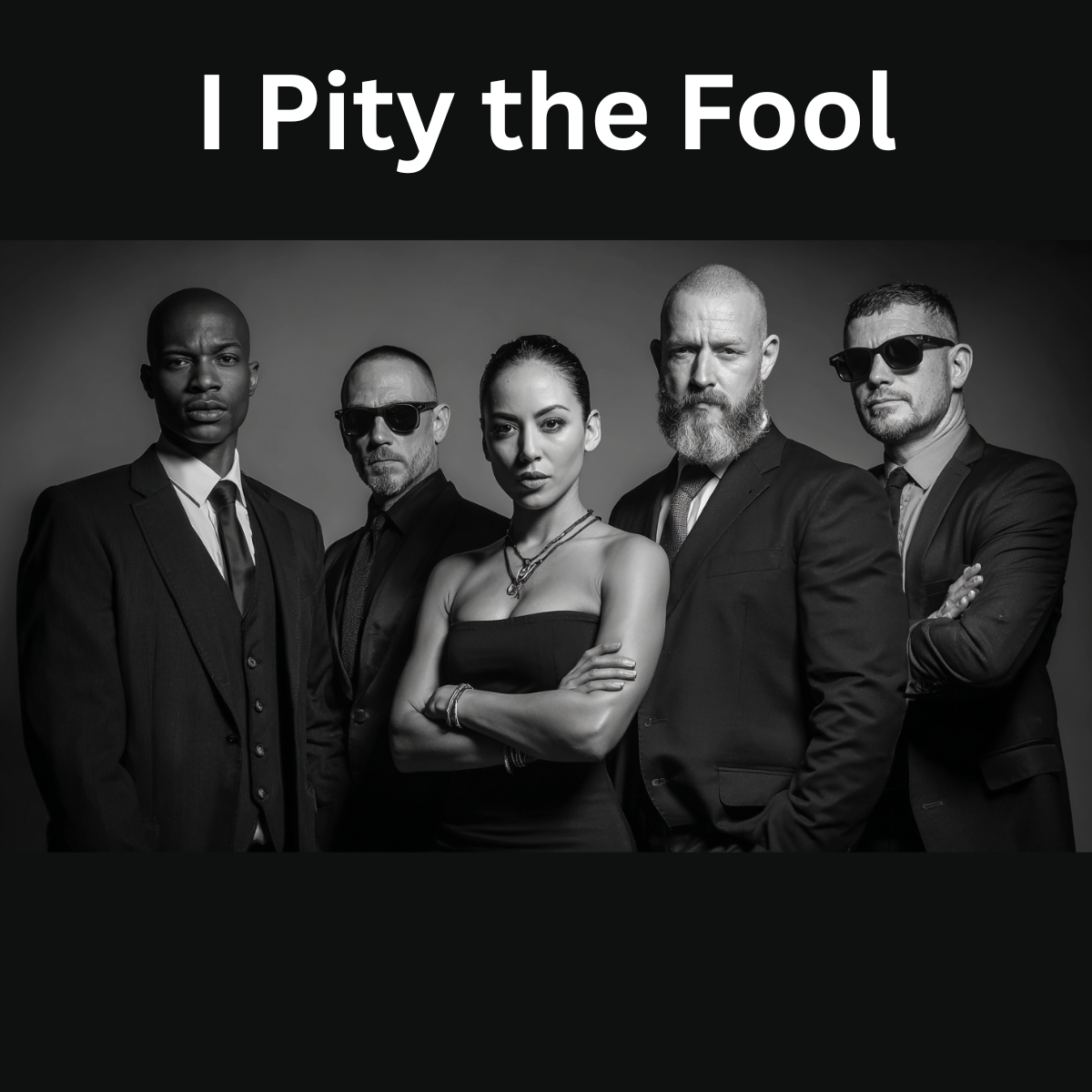
Also, you will notice that from time to time we all tend to fall into various archetypes. We may play different archetypes on different days and often be a mixture of all of them. The A Team defined four archetypes quite well and stuck to them. This clean and easily defined view of team mechanics was encapsulated quite succinctly in these distinct roles:
- The Mastermind
- The Charmer
- The Muscle
- The Wild Card
This is an interesting consideration. In the startup world you need a Hannibal. Too many Hannibals and you have endless plans with no action. Too many B. A.s and you have execution with no vision. Too many Faces and you are all sizzle and no steak. Too many Murdocks and you have chaos. Just like in the show, the friction between personalities, B. A. versus Murdock for example, pushes the team to innovate. In startups, that tension is often where growth happens. Both the A Team and startups are about making something out of nothing, which means taking scarce resources, short timelines, and scrappy problem solving to produce something that wins.
What I learned in this meandering thought process is that a successful startup, like the A Team, does not need perfect people. It needs complementary archetypes who can tolerate each other long enough to pull off the impossible.