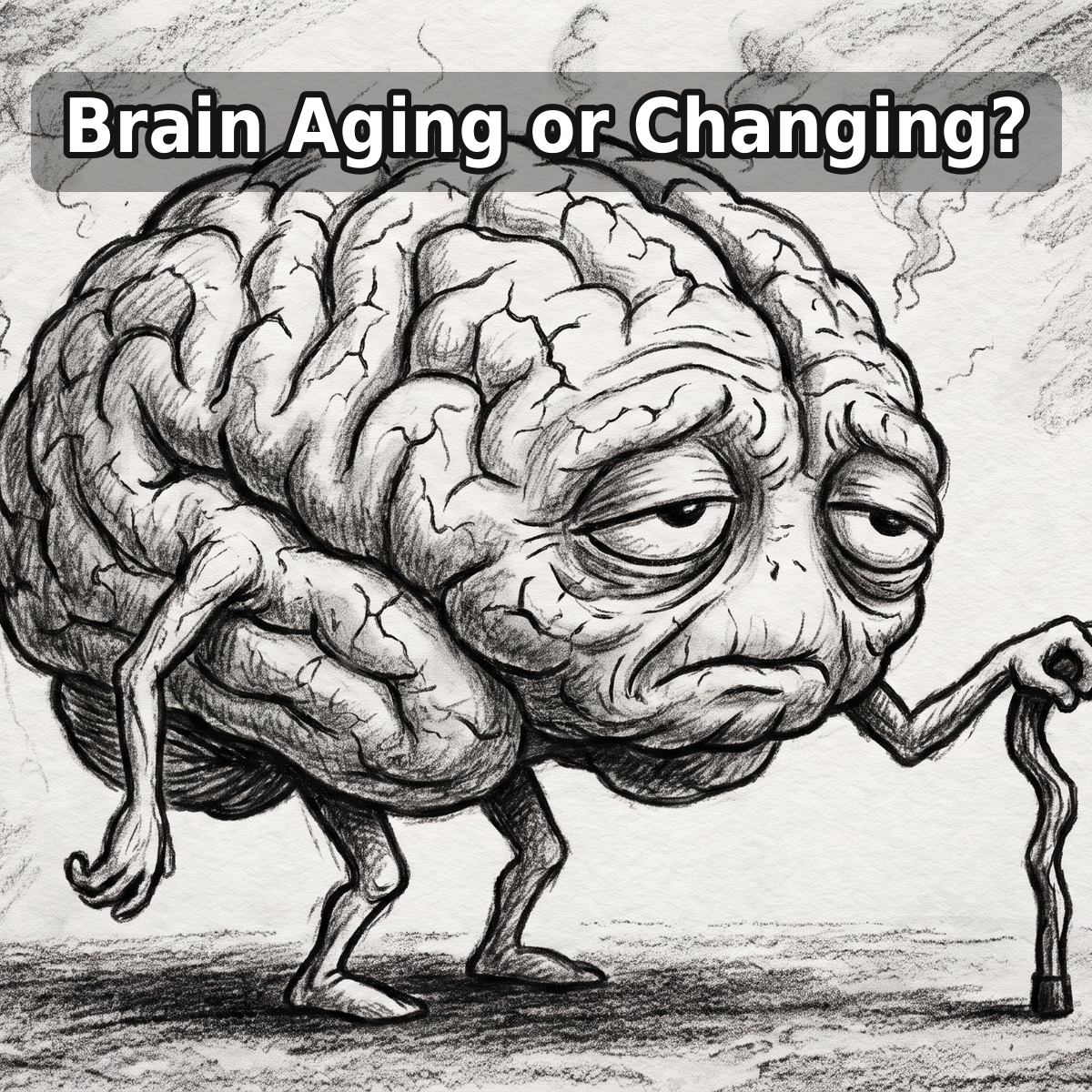
I am going to describe an emotion. It is something that every single successful person I know has had to deal with and overcome. I call it task paralysis.
A thought of something I need to do comes into my mind, and it feels overwhelming. I feel discouraged. My shoulders sink low. Nothing is exciting. I feel tired, but I am not actually that tired. Long stares at the computer screen. Hard to feel motivated.
This is important to understand. This is not laziness. Not lack of willpower. It is your brain saying this feels like too much, so I am going to shut things down a bit. The problem is not that you do not want to act. The problem is the task is being perceived as too big or too undefined to start.
The solution is to make the task feel small, clear, and safe to start.
What I Have Learned
I have become quite good at this. Every day I write a bunch of ideas down into blog form. Not all of it makes it into my daily writings, but I sit down and start writing. I do not meet this task every day with enthusiasm. In fact some days it feels like an agonizing chore. But having overcome this feeling every day for thousands of days in a row, I am uniquely qualified to provide a solution.
Here is a simple, repeatable way to break that loop when it hits.
First, remind yourself this is not reality. You are not stuck. You are just in a state. That state can be resolved.
You do that by shrinking the task aggressively. Not break it down in a big planning way. Shrink it to something almost stupidly small. Instead of get new customers, or write a proposal, or prepare for that speech, make it stupid. Like, open a new document and call it proposal and just write the title. Find one customer that I can call today. Just write down one thought about my future speech.
If it still feels heavy, it is still too big. Go smaller until it is so ridiculously simple that you laugh while doing it.
The Five Minute Contract
Next, tell yourself I will do this for five minutes, and then I can stop. You effectively create a temporary contract with yourself. This is critical because your brain is not afraid of work. It is afraid of being trapped in effort. You are removing the threat.
Then tell yourself it is going to be really bad, horrible work, but that is okay. Messy. Incomplete. Wrong. Does not matter. Perfection is often the hidden cause of paralysis.
You are not forcing motivation. You are removing the friction. Make the unclear, clear. Make what seems big, small. Make what you feel is permanent into something temporary. Take the pressure off and give yourself permission to be horrible at it.
“You are not forcing motivation. You are removing the friction.”
Starting Is Everything
You will learn this one thing. Feeling motivated does not work. The only thing that defeats task paralysis is starting.
Once you start, you will often notice the feeling disappears after action begins, not before.
So the next time that sinking feeling comes, the next time your shoulders drop and the screen blurs in front of you, do not wait for the feeling to pass. Shrink the task until it is laughably small. Give yourself five minutes. Give yourself permission to do it badly.
Then start.