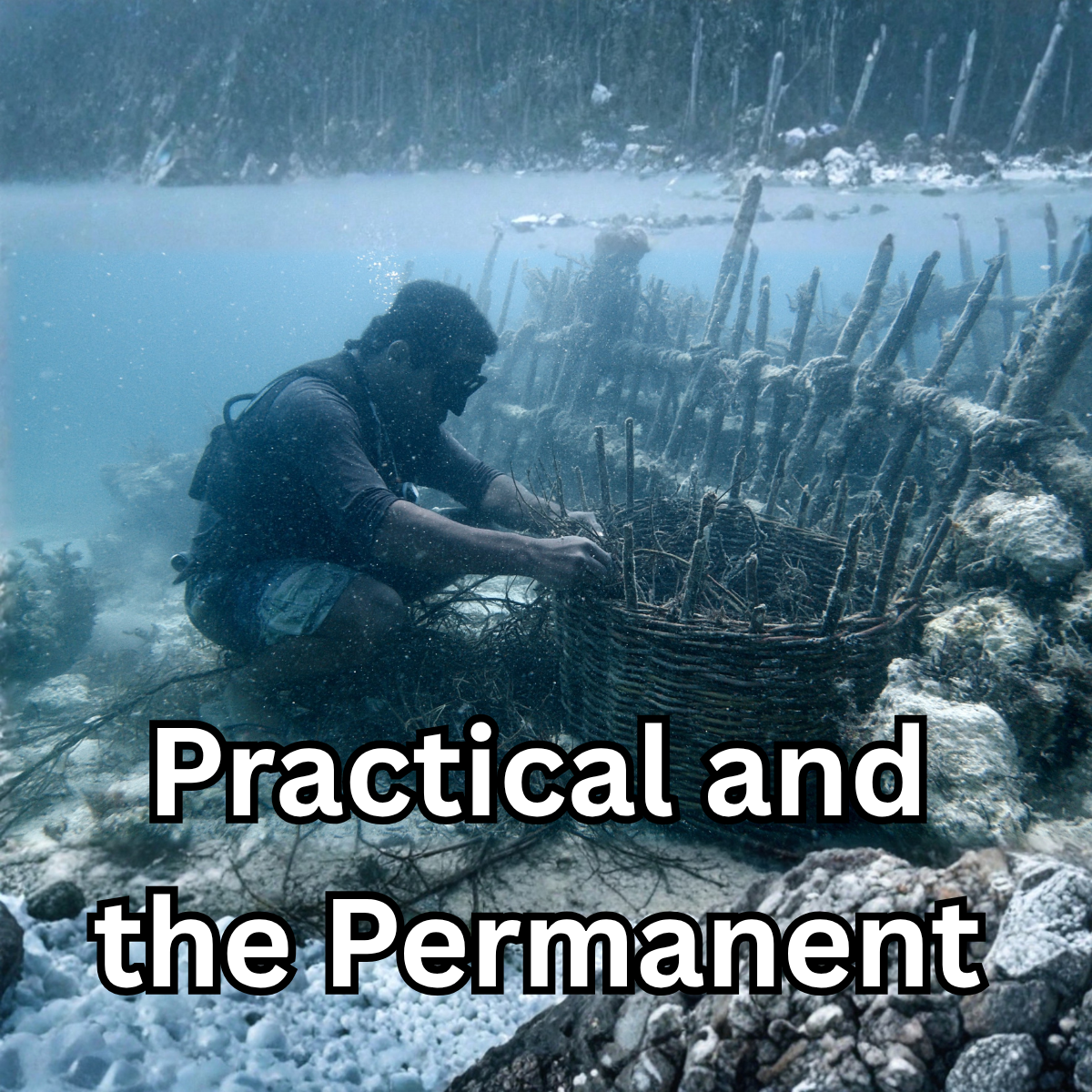
I was sitting in church with my mom on Mother’s Day when the speaker made a joke about underwater basket weaving. The line got a laugh. It always does. We use it to mock degrees that seem useless, classes that waste time, education disconnected from the real world. I have said it myself.
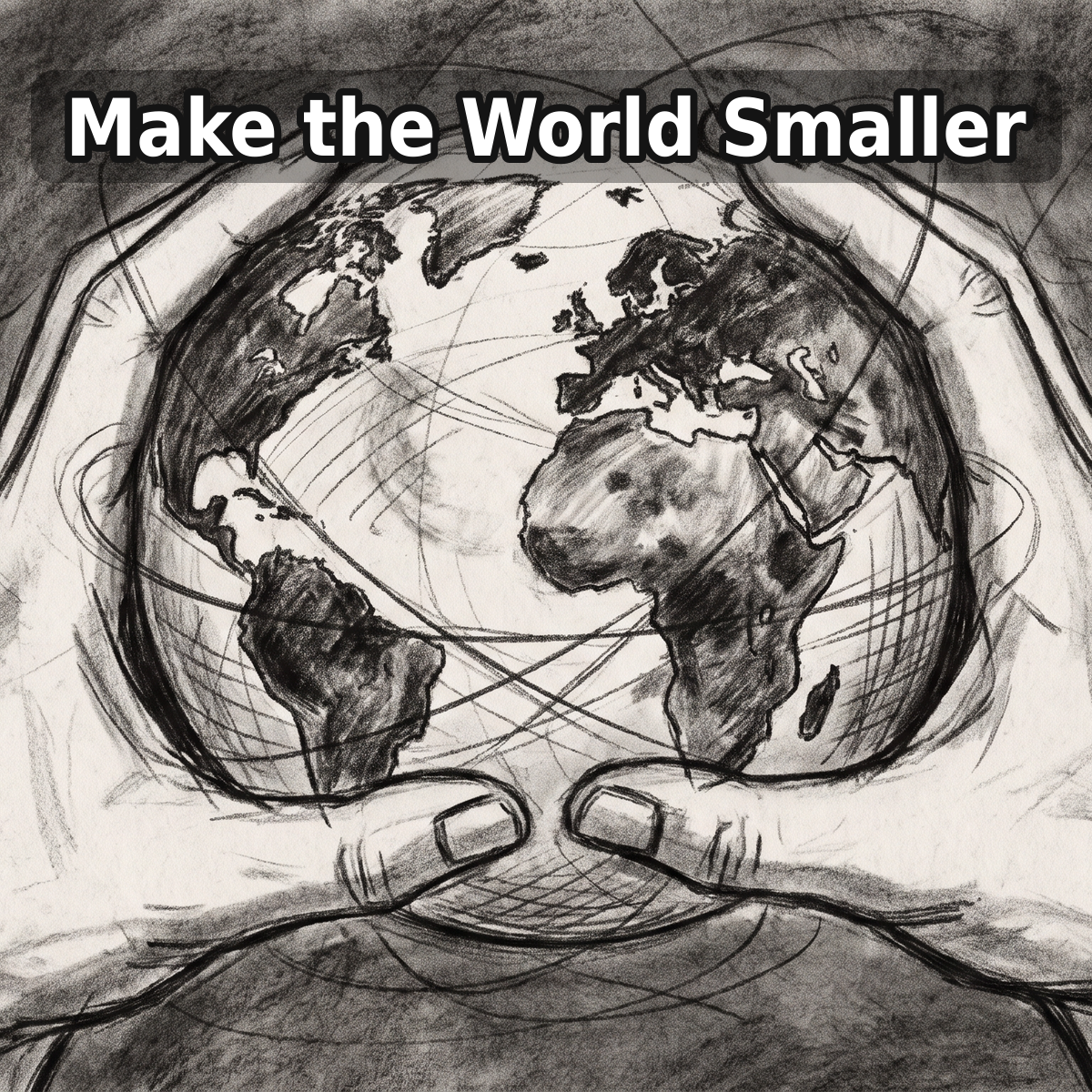
I used to teach in a career workforce program. I have always leaned toward the practical. But sitting there, my mind drifted back to my freshman year of high school, to a history class I actually remember. Our teacher taught us how to color. He handed out maps and told us to shade countries using small, careful circles until we built up a uniform color that stayed inside the lines. He said we would forget most of what we learned in high school, but we would remember this. He was right. Decades later, I still shade things that way. I can do it accurately, with precision.
That memory stayed with me as I walked out of the service. I started thinking about what counts as practical anymore. We are heading into a time when even the most useful skill can become obsolete in just a few years. My daughter earned a degree in philosophy. Early on, I worried it would not translate to the real world. But compare that to a computer science degree today. I taught computer science for over twenty years. Only a handful of my lectures from that entire span would be remotely relevant now. Every skill my daughter learned will last the rest of her life. She can hold an intelligent conversation, defend it well, and communicate her points with precision. That matters in any occupation.
As I passed through the hallway, I overheard a woman talking about sewing something for her grandchild. I thought, now that is a skill. I have shirts, pants, and jackets I do not wear anymore because they need a simple stitch. A hem fixed, a button sewn back on, a waistline taken in an inch. I remember taking home economics in middle school. The only thing I retained was how to sew on a button. It is a strangely practical skill, even now. Despite all our technology, I still have to wear a shirt with all the buttons.
Then it hit me. If I could actually weave a basket while fully submerged underwater, that would be remarkable. It would make a better party trick than ninety percent of what I learned in college. The joke stops being funny when you realize the skill it mocks might be more lasting than the credentials we take seriously.
“We are never going to teach a specialist in the first four years of schooling.”
Maybe we need to reconsider what we are trying to do. We cannot predict what will be useful five years from now, let alone twenty. Perhaps we should focus on teaching a generation of people with solid, wide ranging skills. People who can handle practical problems, communicate clearly, and adapt to whatever comes next. People who know how to color inside the lines, sew on a button, and think through an argument. People who can survive, regardless of what is ahead of us.
I am going to look at my own learning differently. Not just what is practical today, but what builds capacity that lasts.