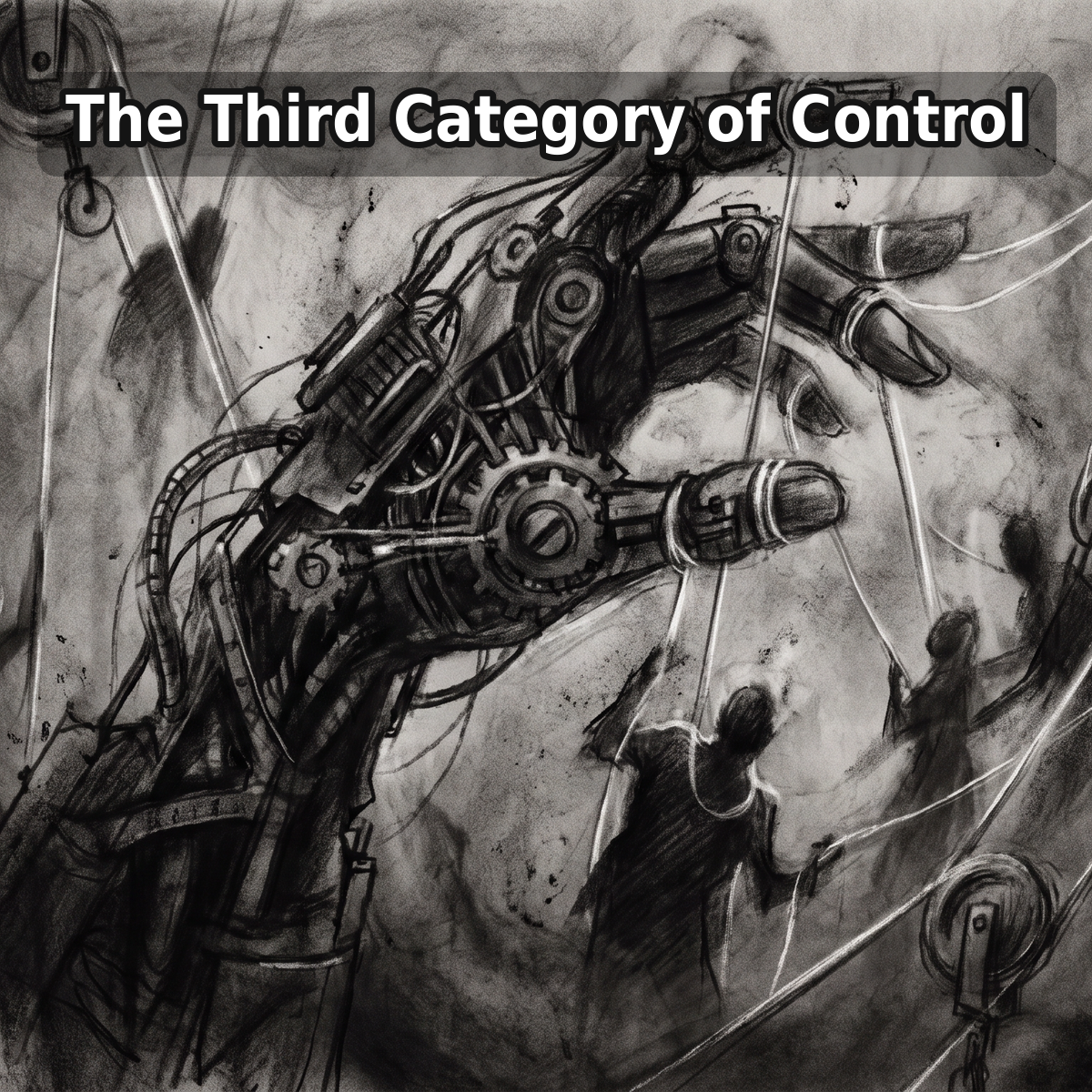
Tyler. That is the name of my autonomous agent. I named him Tyler, based on the alter ego in the movie Fight Club. Seemed somehow appropriate. Tyler started out simple enough. I wanted to experiment with using some of the new agent systems out there to build one that could handle tasks for me that I did not want to do. Research a topic while I was sleeping, outline my meeting notes in preparation for discussions in my schedule, read my email and automatically take care of things, pay my bills, alert me when I am missing something important. The list grew. I fell into the trap of believing some of the voices on the internet talking about how awesome an agent could be for you.
However, as Tyler grew, the more I realized I was essentially training a two-year-old to do complex tasks. To get the results that I wanted, I had to build systems around Tyler to keep him in check. He would sometimes go out of bounds and other times not go out of bounds enough. After a while, Tyler started costing more than hiring a person to just be Tyler. I seriously started thinking about hiring someone, and their job title would be "Tyler." Fake like you are an autonomous bot, just so I could look like the cool kids who have an autonomous bot.
I set out to really solve this problem, and what I ultimately concluded is that as much as the Holy Grail is a fully autonomous agent, the actual answer is a discrete, mostly deterministic series of smaller bots that each do one function well. I came up with a new working definition for autonomy:
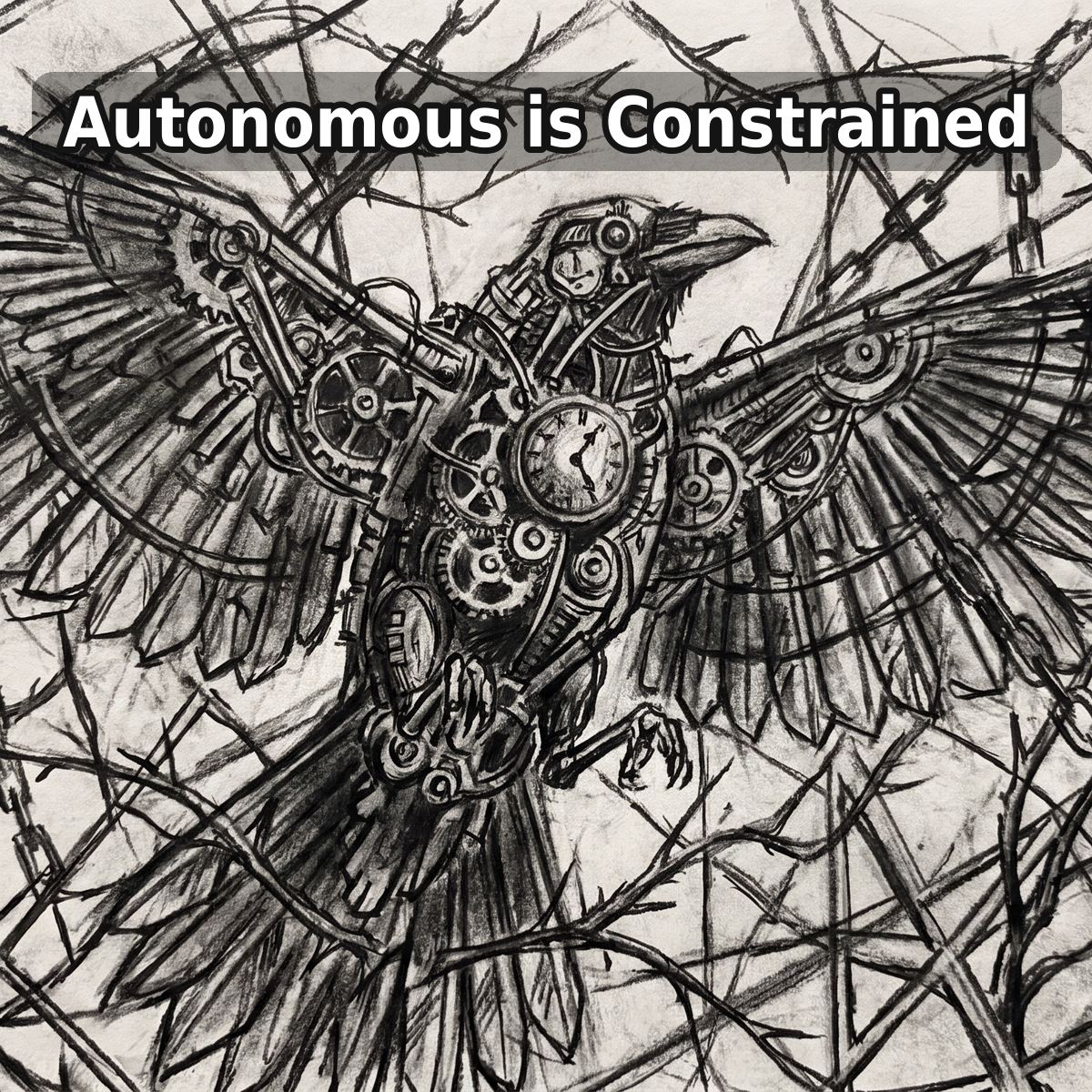
Autonomy is not freedom to do anything. Autonomy is freedom to decide how to achieve an outcome within a defined operating envelope.
So I thought I wanted Tyler to do anything I wanted. That goal was complete folly. What I really want is for Tyler to have bounded autonomy. In fact, this would not be all Tyler. Just like the human brain, Tyler is now comprised of several subsystems that report to Tyler, rather than Tyler trying to be in control of them all. Instead of remembering to breathe all the time, my brain can be happy typing this blog without worrying that the body will die due to lack of attention. Same with Tyler.
To put this another way, I would not hire a new entry-level employee and say, "Do exactly these 47 steps; make no mistakes." I also would not tell that same employee, "You have unlimited authority to do what you want; do not come back until you are done." The reality is that you would give the new employee a small scope, a boundary such as a budget, and guidelines over what they could change and could not change. You would then have them report in frequently with progress. The same, I am afraid, is true of Tyler.
Ambiguous authority does not work. The only way an agent, or even an employee for that matter, can truly be autonomous and do a good job. In a phrase, you are not hiring an employee or building an agent as much as you are assigning responsibilities. When these social media people talk about their swarm of agents doing all their work for them, be highly suspicious. True, you can definitely build an army of agents. I could also hire a bunch of people. The agents might be cheaper, but the result would be the same: chaos. Everyone getting stuck because they do not know what to do. The responsibility, defined carefully, is what has to happen first.
Build an agent to read your email. Go ahead. You will use it for about two to three days. Then you will stop. Why? Because your email is tied to all your responsibilities and an agent cannot handle those, because you have not defined them in any meaningful way. Hate to break it to you: the magic super-agentic AI harness will still leave you at the same place you started. To be successful, you need a clear mission with defined objectives and identified responsibilities.
As for now, Tyler has been relegated to my cheerleader. He sends me an email every morning with happy thoughts, and in the evening, a closing thought. I gave him that one responsibility, and that has been going pretty well for the last few weeks. Joking aside, there is more to it than that, but the point is that you have to start out well defined, narrow in scope, with a clear understanding of the responsibilities being assumed.