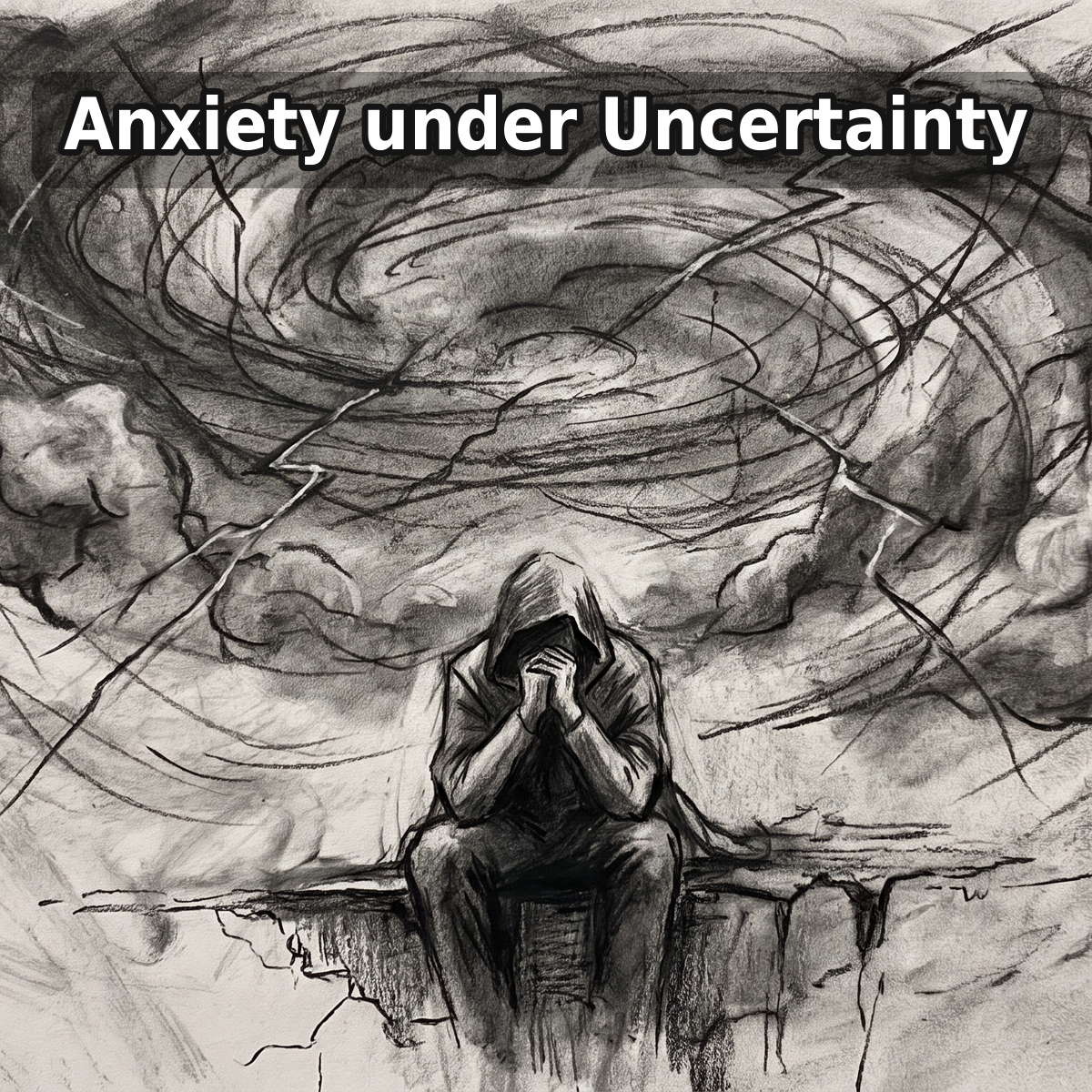
If there was not enough evidence already that I am a complete geek, I found myself reading a bunch of articles published by Daniel Yon at the Uncertainty Lab at the University of London. That is right, this actually exists. There is a lab dedicated to studying the human brain’s capacity to deal with uncertainty. This is a concept that has always fascinated me. I recognized this at a young age: we humans have this unique ability to deal with what is not there. I noticed this in my dog as a young kid and how he really struggled understanding what happened when something went missing. He had very limited ability to even process something that was not in his immediate view.
However, humans are quite capable of identifying, understanding, and processing things that are not in our immediate purview. We can cope with things out of our control, and sometimes we can even pretend that we actually have control over things that we do not. I think that seems to be the basis of the work I read by Mr. Yon. I was thinking about superstition in this regard. I was reading about one of the famous White Sox baseball players from the early 1900s. Apparently, he had a superstition about carrying some small sticks or twigs in his back pocket during games. He would fidget with them constantly, and he had a superstition that he had to have them in his pocket to have even a chance of winning the game. He actually believed that having a few matchsticks in his back pocket would influence or control the outcome of a game.
Did he really believe this? Perhaps. However, if you stop and think about this a moment, we do this all the time. We have accumulated hundreds of cause and effect paradigms that we catalog in our own minds in order to exert control over our environments. Some of these are real, some are incredibly far-fetched, and most of them are a combination, meaning they do have an impact, just not as big of an impact as we give it attribution for. Often times we tie this to things like prayer or other religious practice. "If I go to church, or if I pray, or if I pay my offerings this week, then I will get what I want" is the shorthand for the reasoning we play out in our minds.
I am not debating if that is true or not; what I am indicating is this profound concept that we as humans cope with uncertainty by evaluating what we have control over. We can take giant mental leaps that we know are probably not true, but once we have seen a cause and effect scenario play out a few times, we convince ourselves that our little action has far greater control than it actually has. This is perhaps the reason we are so fascinated by superheroes in our society: people that can climb walls, fly, shoot laser beams from their eyes, or bend the laws of nature in our favor. We are attracted to this idea because we also do this ourselves, just on a more subtle level, or at least most of us do.
I have heard people make some audacious claims about their luck, or their bad luck, or the penchant for a certain outcome. My mom, for instance, is convinced that if she watches a USC football game, then they will lose. She is convinced because nearly every time that she has done this, they have indeed lost. You would think that the coaching staff of Notre Dame or UCLA would hire my mother to just sit there and watch the USC game live when it happens, but they have not called yet. Does my mom have control over the outcomes of football games by merely watching them? No. I do not think that she really believes this, but there is no denying the cause and effect relationship.
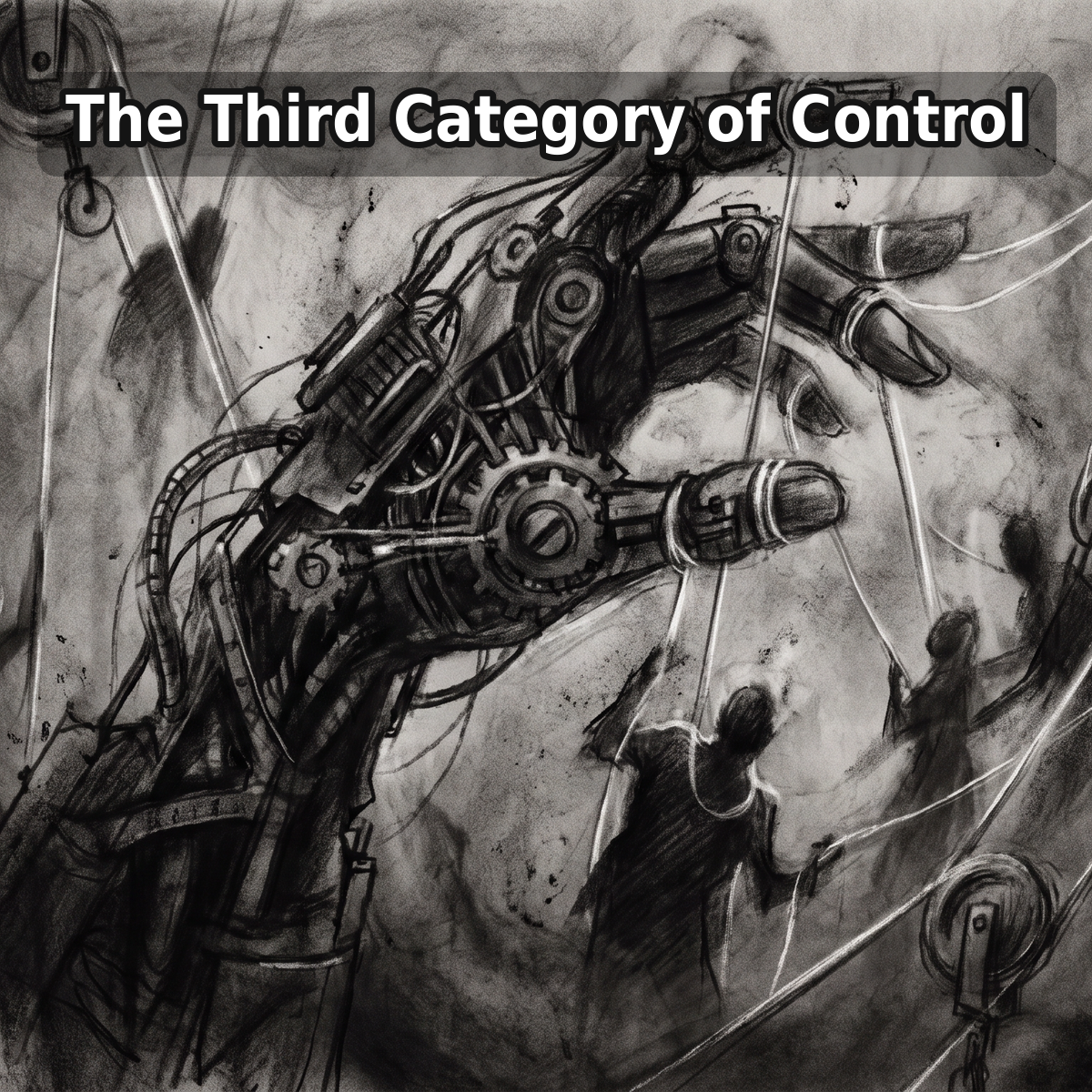
This is what our brains focus on and capture without us even noticing. We are always evaluating cause and effect. It is how we survive, and we are incredibly good at it. We may not be able to control our environments, but we want to believe we can, which is fascinating: that we can imagine that something we cannot see is at play to help us control an environment that we have little actual control over. The question becomes, what role does our agency really play in our lives?
We live in systems where we rarely have either 0% control or 100% control. The difficult intellectual task is figuring out whether our actions have a little influence, a lot of influence, or merely coincidental association. I think the wisdom I gained from Daniel Yon is that this ability for us to fool ourselves into the illusion of control is not a bad thing; it actually has served us well. It is wise to therefore consider how sensitive we might be to weak relationships of causality and to learn to filter out those and instead calibrate ourselves more to the actions that I can take that do have some measure of actual impact.