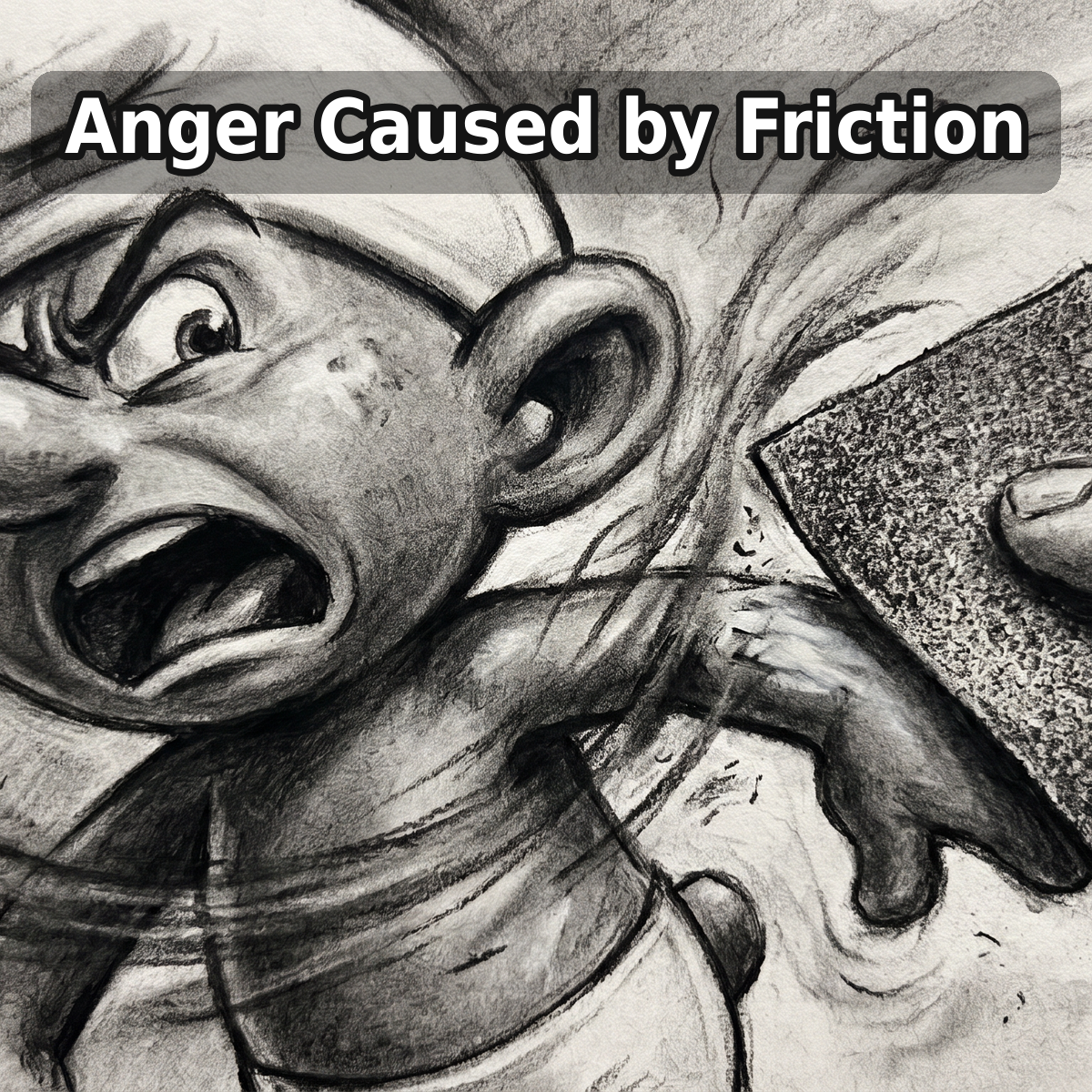
I have been spending more time lately trying to get in touch with my emotions. Finally, after all these years, I am confronting those internal demons and doing what that preschool teacher told me when I was 4. She said, ” You need to get in control of yourself! I have spent over 50 years trying to figure out just what that woman meant by that. What is control? Who is in control? How can I control myself? Alas, she probably did not realize the lifetime of mental torment she would inflict upon me, or perhaps she did?
Anyway, one emotion that I experience from time to time is that of aggravation. Or at least that is what I call it. It is this sudden irritation that makes me want to scream, or clench my fists or something of that nature. It happens sometimes at the silliest of moments. I drop something, a pen, on the floor, and that was the last straw, and now I am feeling this sudden massive flood of emotion. I decided to spend some time researching and thinking about this phenomenon.
The important idea that I uncovered is that this feeling of aggravation is a real, low form of anger that is caused by friction. Something gets in the way of what you are trying to do, and that friction causes you to respond. However, why is it sometimes at DEFCON 1 and other times at DEFCON 5? I think there is wisdom in viewing this as an escalation pattern. You experience friction (DEFCON 1), then you feel irritated (DEFCON 2), then you start to get aggravated (DEFCON 3), and then you get angry (DEFCON 4). I suppose the last straw is when you start throwing things, having a temper tantrum, or deciding to sell your house and buy a sailboat.
The emotional intensity often grows not because the actual problem becomes much larger, but because your mind begins accumulating evidence: this keeps happening, nothing is changing, and I have to keep spending energy on it. This added element makes it more than frustrating. The added element is that you feel you shouldn’t have to deal with this at all. So frustration plus the friction you feel is unnecessary becomes aggravation.
To put this all in a useful phrase that has helped me put this into perspective: Aggravation is often the emotional response to repeatedly spending attention on something you believe should not deserve that attention.