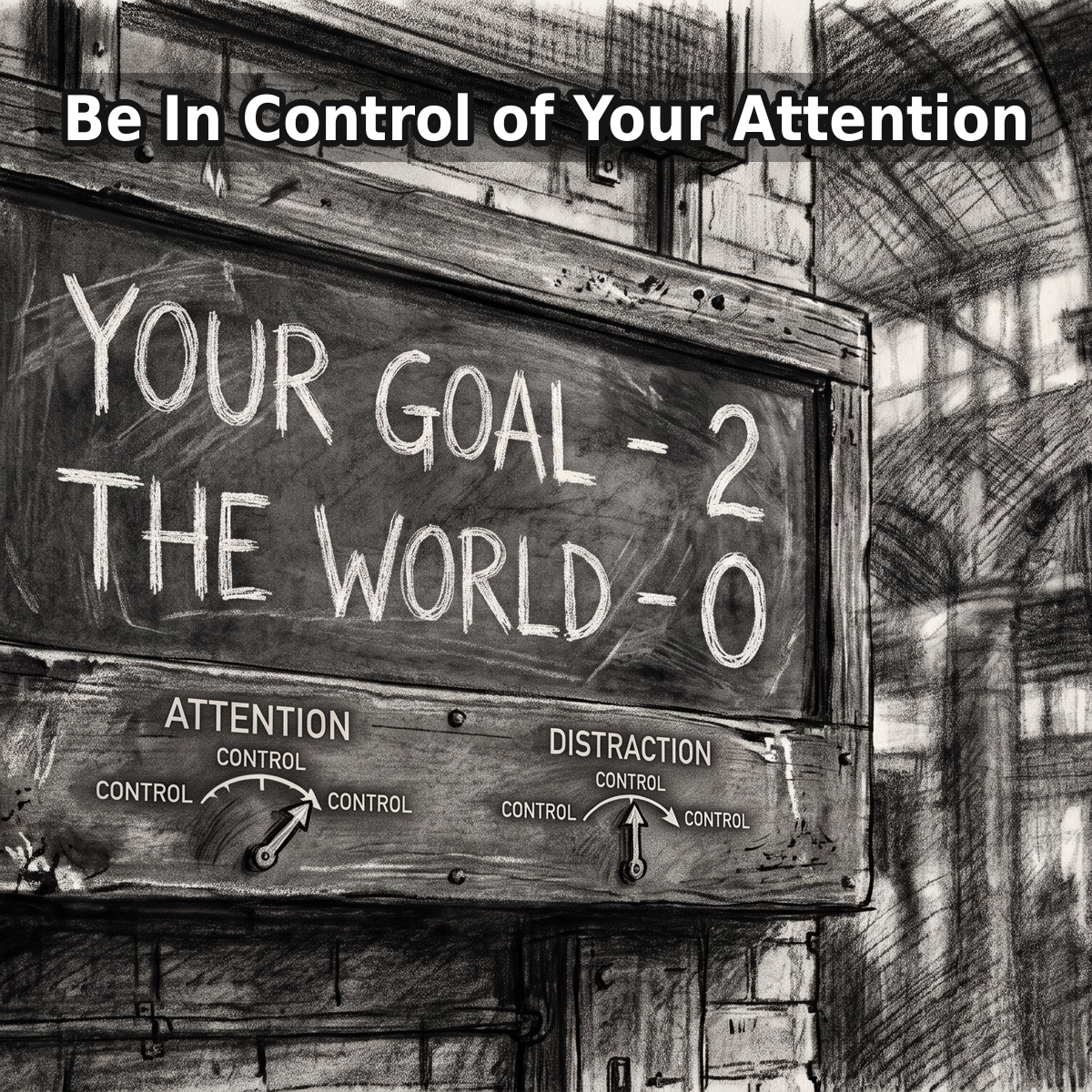
Day 43 of the commitment brings a paradoxical but transformative perspective: failure should be our goal. If that statement feels uncomfortable, you’re not alone. For much of my life, I misunderstood what goals should be. I followed the advice to make goals “specific, measurable, and achievable.” But as time went on, I realized something profound: that advice was completely wrong.
Goals, by their very nature, should stretch beyond our reach. They should feel nebulous and inspiring, even impossible. Why? Because we humans are wired to chase what seems unattainable. We grow bored with the mundane and easily achievable, but we’re drawn to challenges that spark something deeper in us. By setting goals so high they seem destined for failure, we unlock our potential to reach heights we didn’t think were possible.
Success vs. Failure: Flipping the Pyramid
We’re taught to see success as the pinnacle of achievement—the summit of the mountain. But what if that’s an illusion? What if the true summit is actually failure?
Here’s why: failure is not the absence of achievement. It is the evidence that you gave everything you had. When you fail, it means you’ve pushed yourself to your limits and beyond. Conversely, when you aim for mere success, you might only push far enough to clear the low bar you set for yourself. The irony is, when we set the bar at failure, our “misses” often surpass the successes of those around us.
The most successful people I’ve met embrace this truth. To an outsider, their lives may appear like a parade of achievements, but in their hearts and minds, they are often grappling with failure. The reason they thrive is not in avoiding failure—it’s in learning to live with it, even welcome it. The very things they call failures, the rest of us would label as miracles.
Failure as Growth’s Engine
Take the gym as an example. Any fitness coach will tell you that the magic happens when you push yourself to failure. In weightlifting, your muscles only grow when you stress them to the point of collapse. Without that, you plateau. Running, lifting, or training within your comfort zone won’t take you anywhere new. This principle of growth through failure is universal—it applies to every organic system.
Look at nature. Each winter, my gardener trims my rose bushes back to nearly nothing. To the untrained eye, it might look like destruction. But come spring, those bushes explode with life, vibrant blooms fueled by the pruning that looked like failure. In much the same way, our lives need that same cutting back—those moments of starting over after failure—to bloom into something spectacular.
The Role of Resilience
The greatest triumphs of my life didn’t follow a smooth path. They came on the heels of failures so overwhelming they could have crushed me. But each failure taught me resilience—a quality you can’t learn from a book or a seminar. Resilience is earned through repetition. You fall, you rise, and you do it again. Each time you fail, you’re forging an unshakable core of perseverance.
This is why our goal shouldn’t be mere success. It should be pushing ourselves so hard that failure is inevitable. From that failure comes the foundation for growth. Each day, we pick ourselves up and try again, becoming stronger and more resilient in the process.
The Call to Action: Seek Failure
To live this way requires a shift in mindset. Stop seeking to merely “achieve.” Instead, aim for the kind of ambitious, daring pursuits that are almost guaranteed to fail. Why? Because those failures will be the fuel for your growth, the starting point for what’s next, and the foundation for a life of resilience and meaning.
So, as strange as it sounds: make failure your goal. In doing so, you’ll find a depth of success you never imagined.