Imagine yourself as a particle flying through the fabric of our world, a tiny entity navigating forces larger than yourself. If you were positively or negatively charged, you’d find yourself drawn in one direction or another by magnetic fields, constantly adjusting your path to accommodate external pulls. However, if you were a neutral particle, those forces would pass you by. You’d glide forward, unaffected by their influence, undeterred from your trajectory.
This analogy paints a compelling picture of our daily journey toward achieving goals. Like particles, we exist in a world full of forces—some visible, others not—pulling us toward distractions, obligations, or even well-intended opportunities. But what if we could adopt the perspective of that neutral particle? How might our ability to focus transform?
The Pull of Good Intentions
Much like magnetic forces, the distractions in our lives often stem from positive sources: friends asking for our time, new opportunities tempting us with promise, or that one email that “just needs a quick reply.” These aren’t inherently bad; in fact, they often carry merit. Yet, when viewed through the lens of your personal goals, these distractions can throw your trajectory off balance, leading you to an unintended destination.
Being a neutral particle doesn’t mean ignoring people or dismissing opportunities—it means maintaining an unshakable awareness of your course. You recognize the pull, but you don’t let it dictate your path.
Choosing Neutrality
Neutrality, in this sense, is not apathy but intentionality. It’s knowing your purpose so deeply that external influences don’t derail your journey. Here’s how you can apply this mindset to your daily life:
- Clarify Your Path – A neutral particle doesn’t need to wonder about its direction; it simply moves. For us, this clarity comes from identifying what truly matters. Start each day by revisiting your goals. Which tasks or actions today align with your purpose? Which are simply noise?
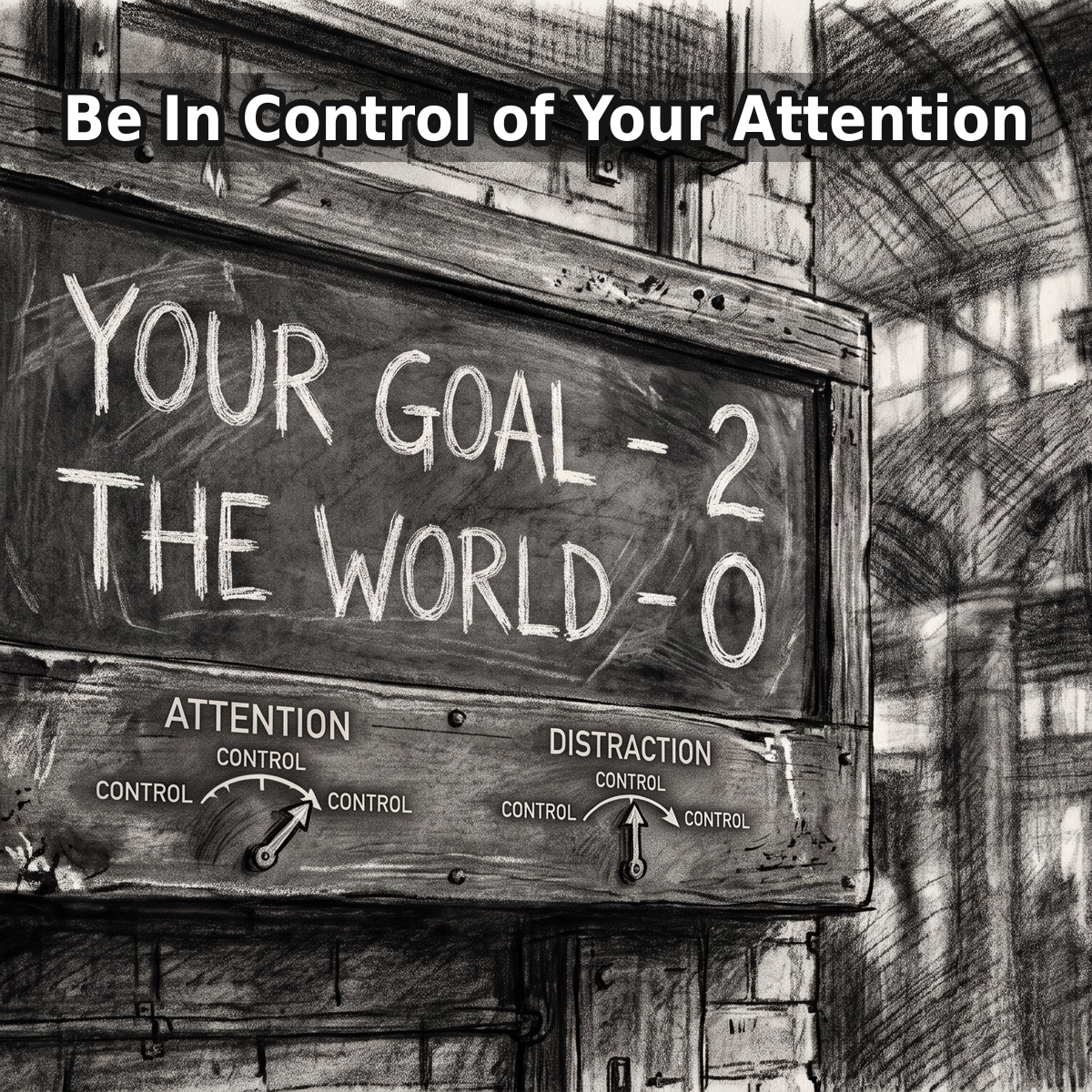
- Establish Boundaries – Like forces pushing against a neutral particle, distractions will come. Learning to say “no” to things that don’t align with your objectives is a form of boundary-setting that protects your momentum.
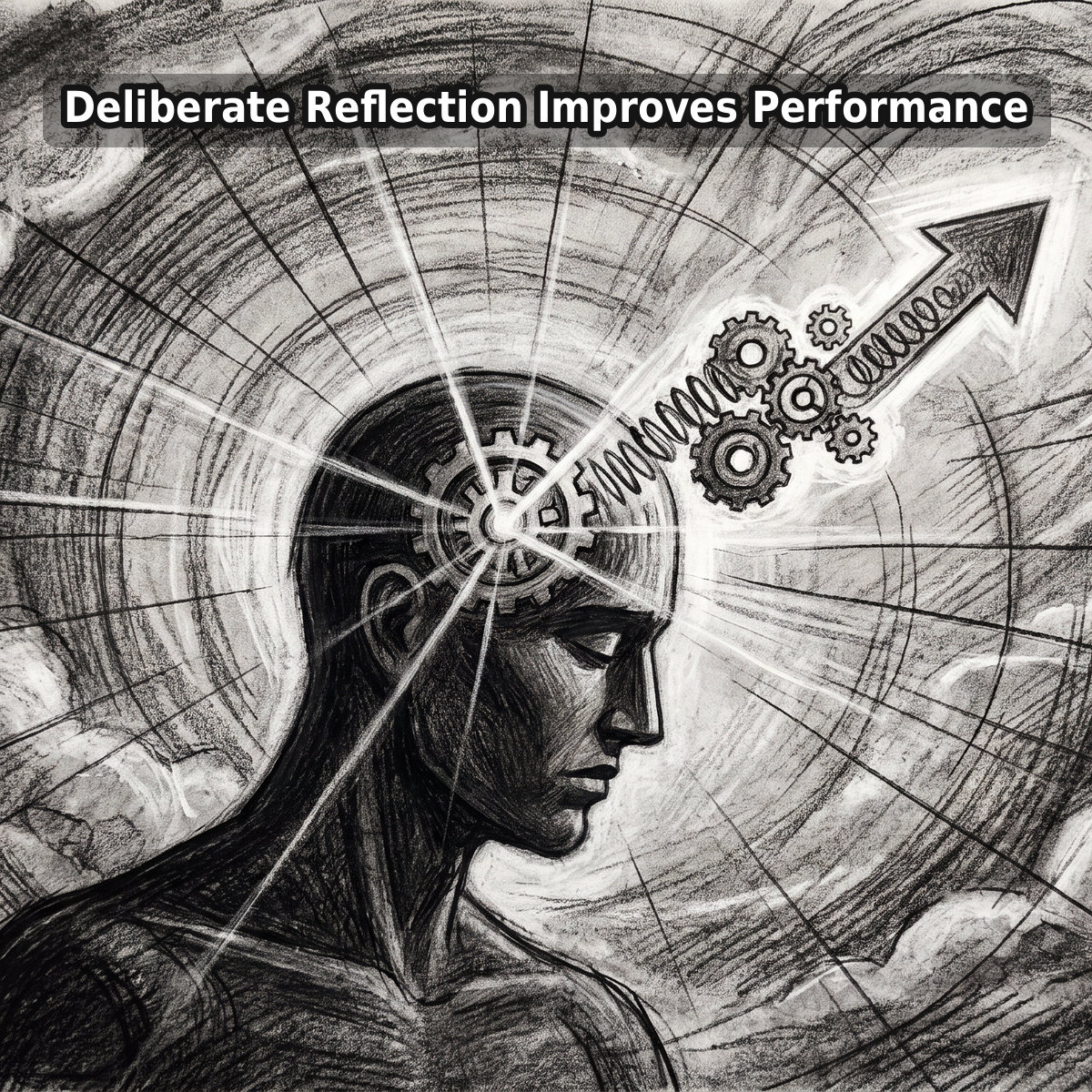
- Stay Present – Neutrality requires mindfulness. When you feel the pull of distraction, pause and ask, “Will this action bring me closer to my goal, or is it simply a reaction to external forces?” Taking that moment to reflect helps you act with intention rather than reflex.
- Embrace Detachment – Being neutral doesn’t mean being cold or indifferent—it means not attaching yourself emotionally to every demand or expectation placed on you. Detachment allows you to respond thoughtfully, without being swept away.
A World in Motion
We live in a vibrant, dynamic world, full of people and opportunities that enrich our experience. But without intentional focus, even the best of these can lead us astray. By adopting the mindset of a neutral particle—grounded in purpose yet immune to unnecessary distraction—we can move confidently toward our goals, unshaken by the tides of daily life.
So the next time you feel pulled in every direction, picture that neutral particle. Let it remind you that while the forces around you are constant, your course doesn’t have to change. Stay grounded, move with intention, and let your purpose guide you—undeterred, unshaken, and fully aligned.