There is a principle from my upbringing that has stayed with me, even as my surroundings and responsibilities have changed. It is the belief that when you see someone under your care make a poor choice, you address it immediately. Not with vague hints or softened language, but with clear and direct words. You name the behavior, explain why it is wrong, and make it understood that it cannot continue. The conversation is not about blame or shaming, but about setting a boundary with honesty.
Then comes the part that matters most. After the correction, you turn toward that person with even greater attention. You show them care, patience, and friendship. You invest more, not less. In doing so, you teach both them and yourself to separate the behavior from the person. The act is wrong, but the relationship is worth keeping.
This idea is not unique to my own life. In the Christian faith, there is the instruction to “restore them gently” when someone has stumbled. In Jewish tradition, there seems to be many words and concepts around chastisement which all seem to call for timely, constructive rebuke. This is to be given in a way that spares humiliation and aims for healing. In Arabic, nasiha carries a similar meaning, a sincere form of counsel that seeks the good of the other.
Philosophers have walked this path too. Aristotle spoke of the golden mean, the balance between doing nothing and doing too much. Seneca warned against letting anger linger and sour the soul. Marcus Aurelius reminded himself daily that faults in others should be met with reason and proportion, not personal bitterness.
Even in modern leadership thinking, the pattern appears. Kim Scott’s “Radical Candor” speaks of caring personally while challenging directly. Ken Blanchard’s “One-Minute Reprimand” calls for swift feedback followed by affirmation. Patrick Lencioni’s work on trust shows that teams grow stronger when conflict is addressed quickly and relationships are repaired with intention.
Warrior codes echo the same truth. In the samurai’s bushido, correction is coupled with respect, so that honor is preserved. In the Roman legions, discipline was immediate, yet followed by rituals that returned the soldier fully to the ranks, without lingering stigma.
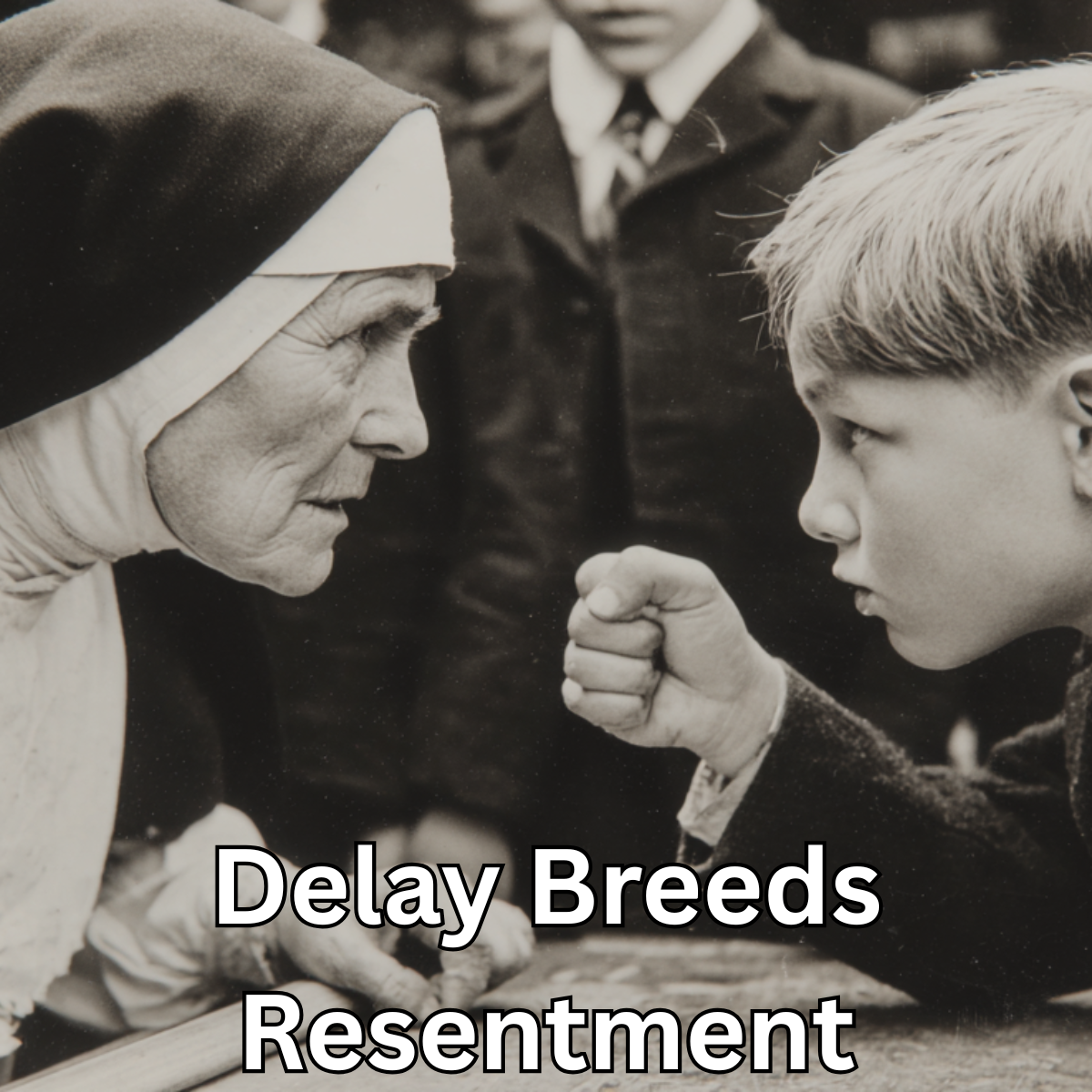
The rhythm is the same across faith, philosophy, boardrooms, and battlefields. Delay breeds resentment or escalation, allowing wounds to deepen in silence. But harshness without restoration breeds alienation, leaving the person diminished and the relationship fractured. Both are failures of leadership.
It is never easy to hold the line with clarity and then open your arms in welcome. It requires courage to speak the truth in the moment and humility to close the gap afterward. But when done well, it becomes one of the quiet forces that hold people together—teaching that discipline and compassion are not opposites, but parts of the same whole.