Silence in the face of something that isn’t right isn’t neutral. It is a decision. And in leadership, it is often the most dangerous one. We tend to look back at history and imagine that the most significant failures began with some massive, overt act of wrongdoing. However, the reality is that they rarely start that way. They begin with people noticing something is off and choosing not to speak. They do not stay silent because they agree. They stay quiet because it feels uncomfortable, risky, or simply inconvenient. Over time, that silence becomes permission.
Inside an organization, the effect is even more immediate. Silence signals acceptance. What goes unaddressed gets interpreted as allowed. It becomes the new standard. If you walk past a mistake without correcting it, you have just set a new lower standard for your team. This silence erodes trust. People notice when leaders see problems but avoid them. They stop believing integrity matters. If the leader does not care enough to speak up, why should anyone else?
Silence compounds risk. Minor issues grow teeth when they are left alone. What starts as a minor deviation becomes a major crisis because no one was willing to address the problem while it was small. It teaches the wrong lesson. It trains others to keep their heads down rather than step up. It creates a culture where survival means looking the other way.
Leadership isn’t just about direction. It is about moral clarity. Naming what isn’t right, even imperfectly, sets a tone that says this matters. It is never easy to hold the line with clarity, but it is necessary. Importantly, speaking up doesn’t require having all the answers. You do not need a ten-point plan to point out a problem. Often, it is enough to simply say that you see it. It is enough to say that it does not sit right with you and that we need to talk about it.
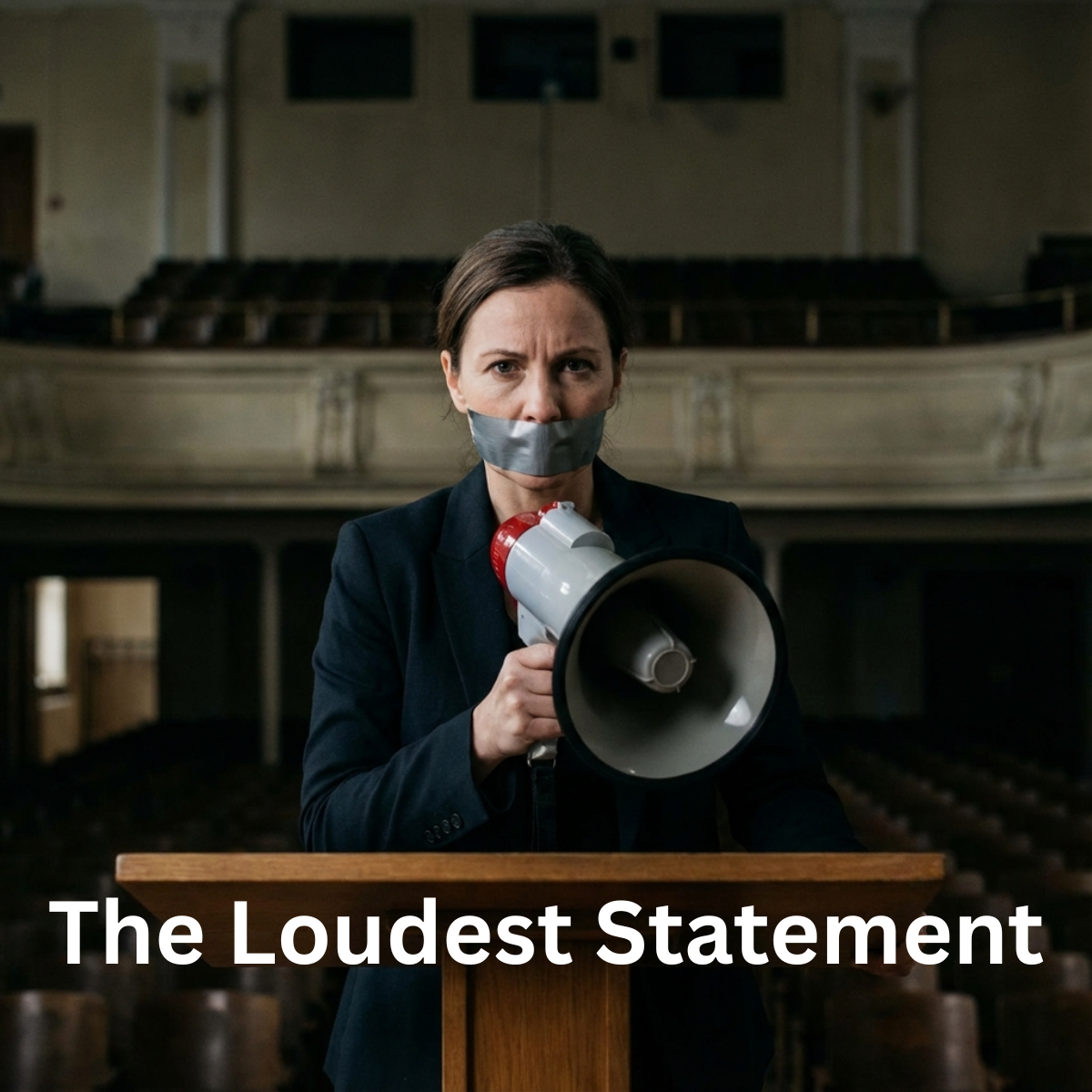
That single act creates air in the room. It tells people they are not alone in what they are sensing. It opens the door for correction, accountability, and growth. Silence feels safe in the moment. It feels like the path of least resistance. But over time, it is the loudest statement a leader can make, and rarely the one they intend.