We admire the smooth. We celebrate the polished. We are drawn to the effortless. But we rarely talk about the hammering.
Flow feels natural when you are in it. It feels like momentum, like alignment, like grace. But smoothness is not the absence of friction. It is the result of it.
A river carves smooth stone through relentless pressure. A craftsman sands wood long before it feels like silk. A speaker rehearses until the words no longer sound rehearsed. The hammering is not glamorous. It is repetitive. It is loud. It is uncomfortable. Sometimes it even feels like you are damaging the thing rather than shaping it. But that shaping is the point.
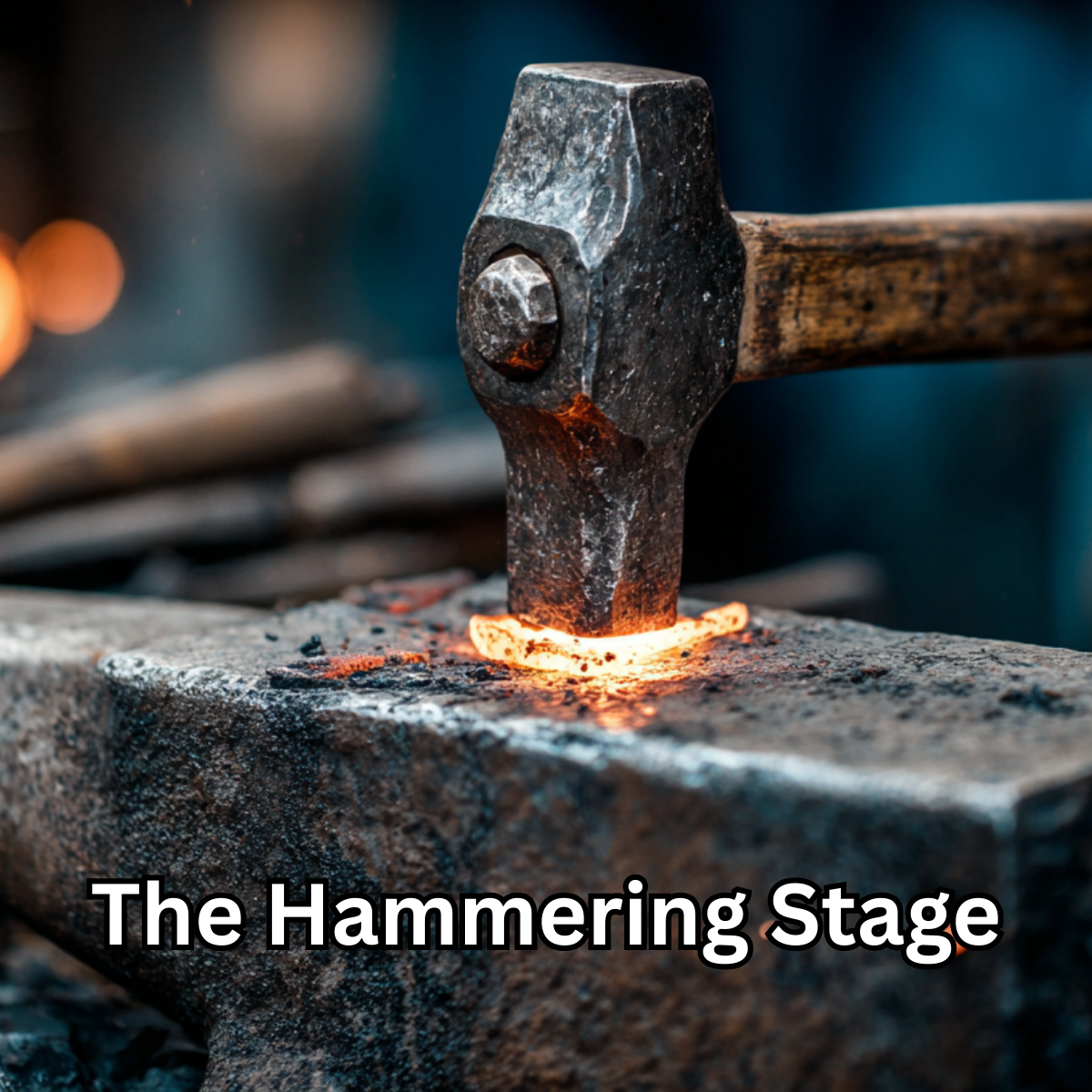
We often quit during the hammering phase because it doesn’t look like flow yet. It looks messy. It sounds clumsy. It feels forced. What we do not realize is that smoothness is earned through deliberate impact. Each strike removes what does not belong. The work is not broken. It is being shaped. And shaping takes time.
I have been there. I have stood in the middle of something that felt rough and wondered if I was doing it wrong. The writing felt forced. The work felt awkward. The progress felt invisible. I wanted to quit because it did not feel smooth yet. But I stayed with it. I kept hammering. And then one day, almost suddenly, it felt different.
The motion connected. The work aligned. The resistance faded. Now it was smooth. But smooth was not magic. It was memory. It was muscle. It was the residue of disciplined repetition.
“Smoothness is not the absence of friction. It is the result of it.”
If something in your life feels rough right now, that does not mean you are off track. It may mean you are in the hammering stage. Stay with it. Shape it. Strike it again. The smoothness you want is on the other side of the work you are doing now.