I was maybe eight or nine when my parents took me on a hike I still remember. I liked the idea of hiking, but the actual doing of it was another matter. We were climbing a steep hill, and I could see what I thought was the top in the distance. I remember thinking, “I cannot believe we are going all the way up there.” My mom told me to just think of how good it would feel once we got to that point. So I kept going. One foot in front of another.
Finally, we reached the top. Except it wasn’t the top. It was just the first crest of a small series of foothills, and beyond that stood the base of the real mountain. I had made it to the top of this little hill, and now I knew the real work had just begun.
I think about that moment often these days. I’m in what people are now calling “the AI business,” and I see a constant flood of people bragging about their new method, system, or application that does all their work for them. How easy life is now, they say. I chuckle, because these poor fools do not realize that now they have done this, the real work has only begun.
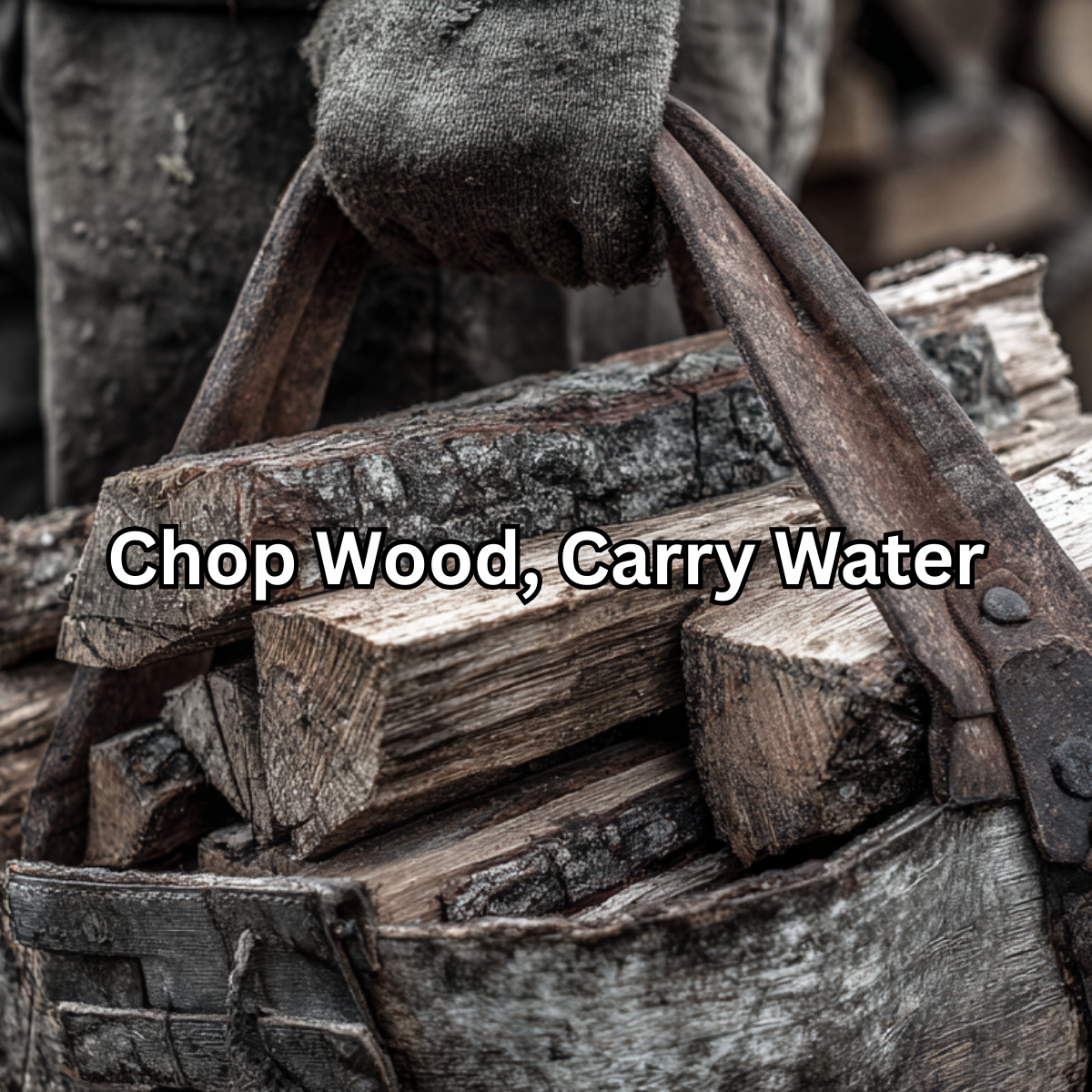
There’s an old story about a master and his young student. The student asks about the process of achieving enlightenment. The master says, “Before enlightenment: chop wood, carry water. After enlightenment: chop wood, carry water.”
The real work has only begun.
The tools change. The hill gets climbed. But the mountain is still there. The work is still the work. You still have to show up. You still have to put one foot in front of the other. The difference is that now you know what you’re looking at.
So when you reach what feels like a summit, take a breath. Look around. Then look ahead. The real work is waiting, and that’s exactly as it should be.