Years ago, I attempted to memorize the first 1000 digits of Pi. I was mostly successful. I could easily recite the first 500 digits and most of my way through the rest, although I would occasionally get tripped up. If I had kept going, then I probably could have gotten it down reliably. After spending a year training for this, I decided that the only thing I had really accomplished was a great party trick.
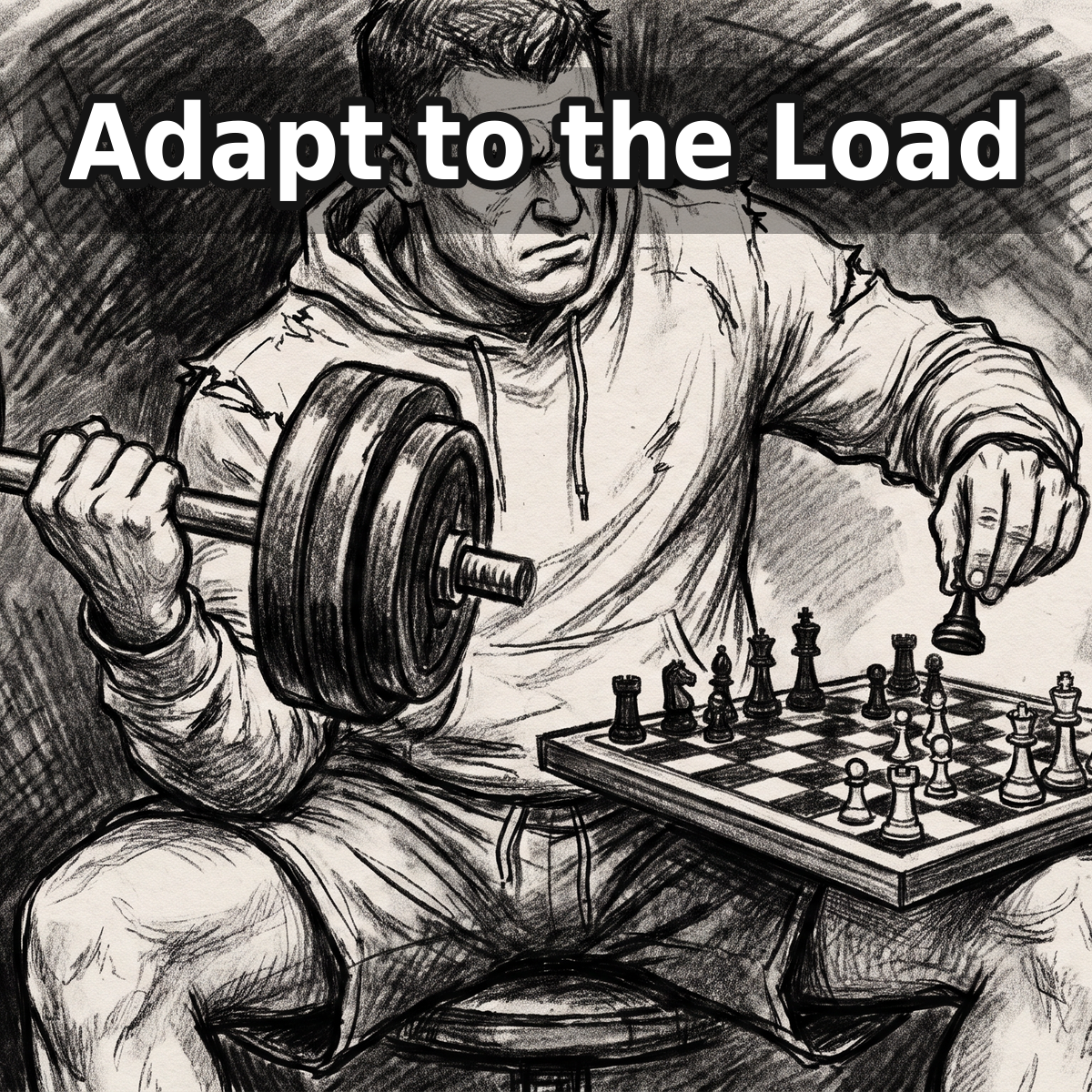
I did learn a few important concepts along the way. I now understood how the brain could memorize things and that the human mind was particularly good at making visual associations. However, the most important concept that I picked up is that the human brain and the rest of your body are no different. They will adapt to the load they are placed under. As I started increasing the amount of numbers that my brain had to recall during my early morning 15-minute session, my brain somehow adapted to the load.
There is this strange person that walks around my hometown frequently. He is always dressed up in some crazy outfit, and he can always be seen walking around. People have started to honk and cheer when they see him. The other day, I rode my bike to the store, and on my way back, I crossed paths with this walking celebrity. Although he was an older man, probably in his 70s, his leg and calf muscles were well defined. They looked like the legs of a 20-year-old mountain climber. His body had adapted to all the walking he had been doing.
If you have done any weight training, or any other form of strenuous exercise, then you know this principle well already. It is just what happens when you put yourself under load repeatedly. Your body adapts, and so does your mind. As you show up to the gym frequently, you start to become a person who works out at the gym. Your body gets the message, and so does your mind.
This phenomenon occurs with anything you do. If you like to sit in a chair and work on the computer all day long and then sit on your couch and watch Netflix all night long, then your mind and body will adapt to that too. Simply stated, the human body, including your mind, will adapt to the load that you place on it. How long does this take? I am not entirely sure, but I do know that it takes a prolonged change in the load for a period of time that is greater than 90 days.
Often we get stressed about what the right program is. What do we need to be doing to become a better version of ourselves? This question is actually not that complicated. We do not need a fancy program; we just need to place ourselves under intense load for a long period of time. Your mind and body will adjust and adapt to that load, and you will look like a being that can handle that type of load—that is just the plain and simple of it all. You will adapt.
So, as you keep showing up and leaning into whatever challenge you’ve set for yourself, remember that your whole being is listening and learning. It’s not about finding some magic bullet or a perfect plan, but rather about consistently applying that pressure, that focused energy. Over time, you’ll find yourself not just handling the load, but becoming someone who naturally operates at that higher frequency, ready for whatever new waves come your way. It’s a continuous journey of becoming, and you’re already on it.