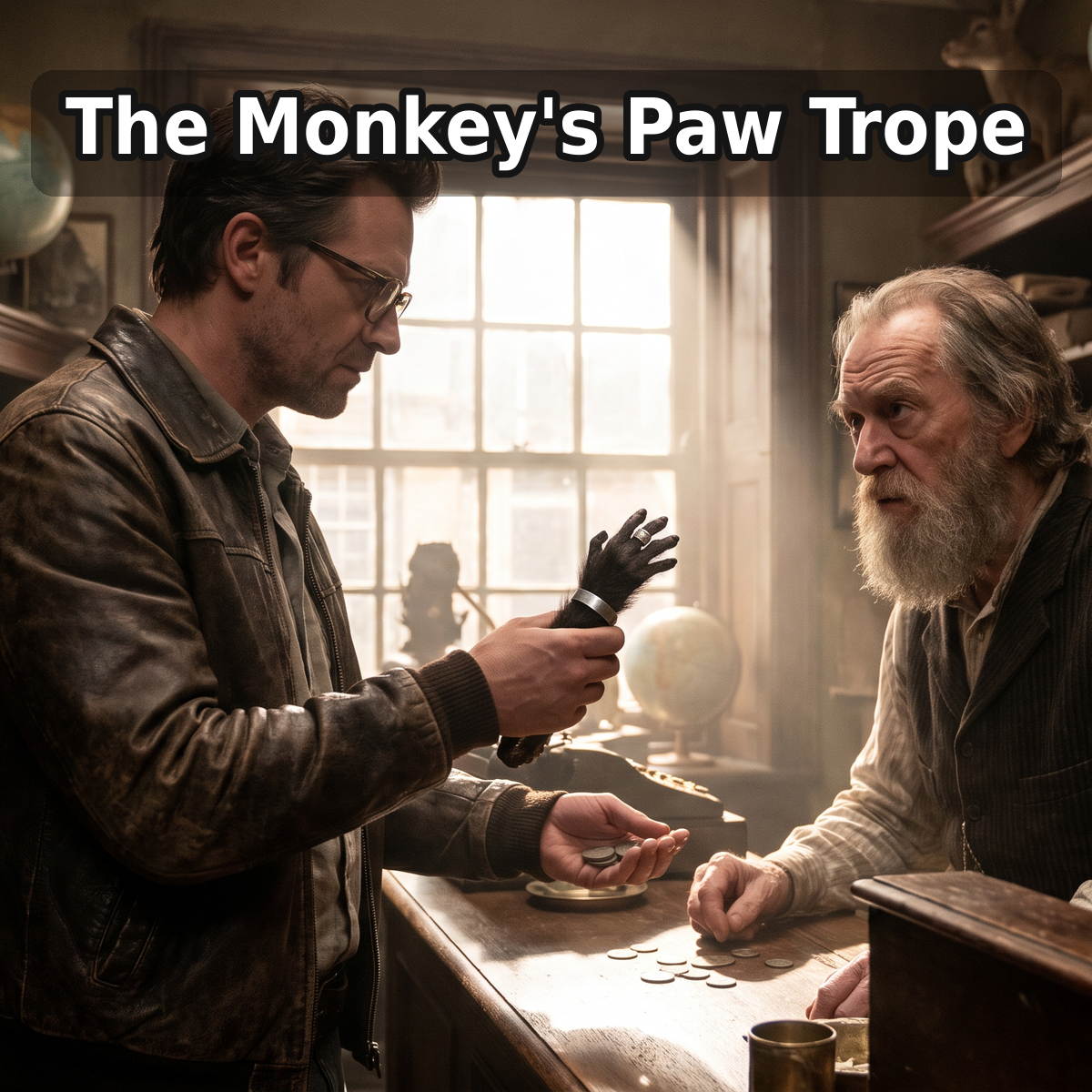
I watched someone I know receive an opportunity last month. Within hours, everything else disappeared. The other projects stopped. The other conversations ended. The other possibilities were forgotten. All focus, all energy, all hope moved to this one path. And when it collapsed, as it eventually did, they looked up and realized they had nothing else waiting. They had to start over from silence.
This is the pattern I see most often when people fail. Not because they lack talent or effort. But because they put all their eggs in one basket and forgot that baskets can drop.
The phrase has been around since at least the 1600s, possibly earlier. Miguel de Cervantes may have written it in Don Quixote, though he likely borrowed it from an older proverb. The image is simple. If you carry all your eggs in one basket and drop it, all the eggs break. If the eggs are split across several baskets, one accident does not ruin everything. The principle is redundancy. Do not risk everything on one plan, one investment, one opportunity, or one person. Spread your risk so that if one thing fails, you do not lose everything.
But the metaphor applies to more than money or plans. It applies to hope. When you put all your hopes, all your aspirations into one opportunity, and that opportunity comes to a halt, you find yourself distraught because you put so much credence into the one path. We all tend to do this. We get excited about the one opportunity and forget to think about anything else. This could be a new job you are interviewing for, a new client you are trying to close a deal with, a new business opportunity, or even a potential romantic interest.
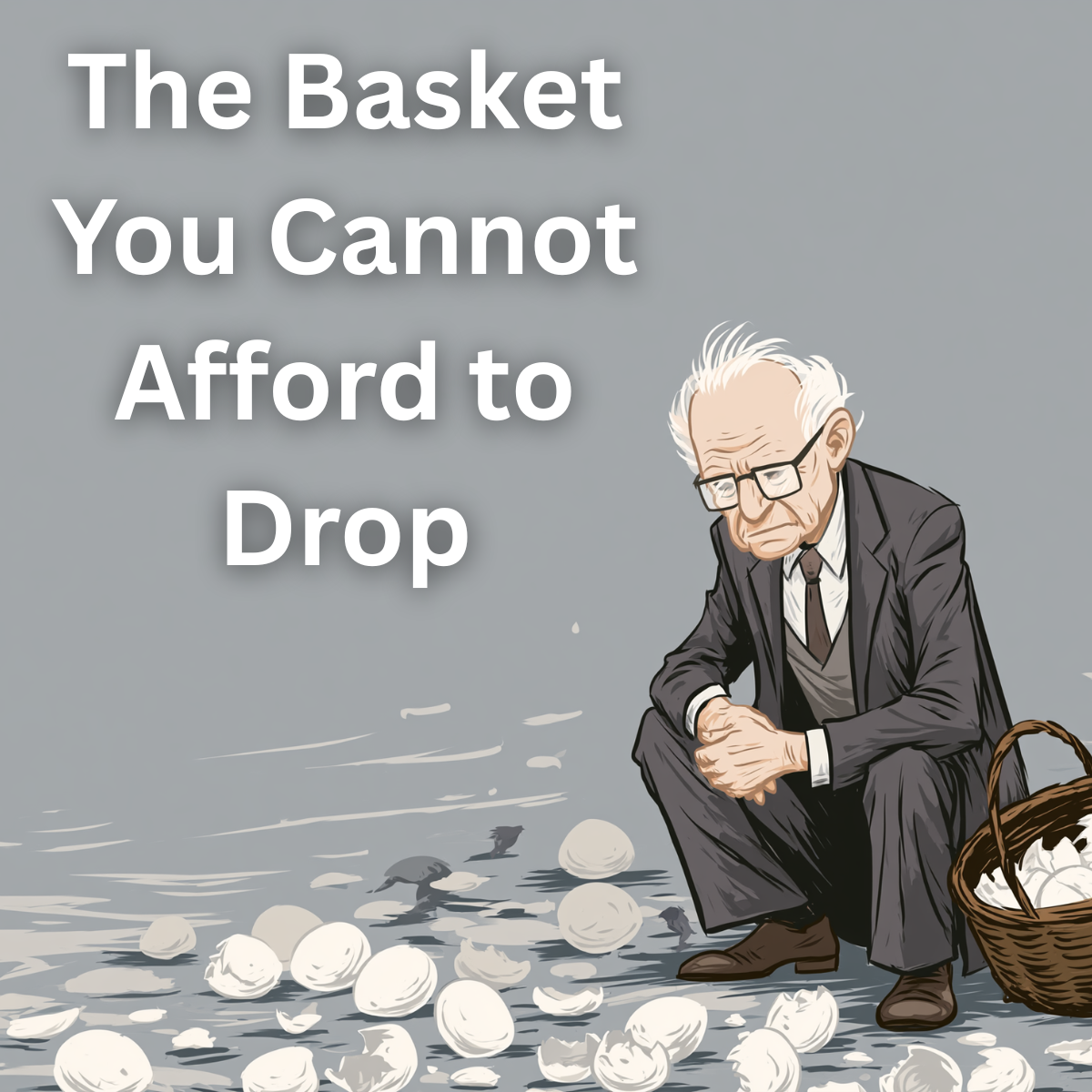
The problem is not the excitement. The problem is the tunnel vision. When you frame everything through the lens of this one opportunity, you become incapable of seeing or pursuing anything else. You stop looking. You stop building. You stop preparing. And when the opportunity fails, you are left staring at a basket full of broken eggs, representing all the crushed desires and dreams that you had put into the one new prospect.
“When you put all your hopes into one opportunity, and that opportunity fails, you are left staring at a basket full of broken eggs.”
Just because you have an option or an opportunity does not mean you should close the door on everything else. That would be folly. The person who keeps multiple paths open is not hedging. They are being realistic.
They understand that most opportunities do not work out. They understand that hope is not a strategy. They understand that the only way to survive failure is to have something else waiting when it arrives.
So if you find yourself chasing one opportunity, stop. Look around. Ask what else you are building. Ask what else you are pursuing. Ask what will be waiting when this one thing ends. Then start building it. Not because you lack faith in the opportunity. But because you understand that faith without preparation is just wishful thinking. Keep your eggs in multiple baskets. That way, when one drops, you still have something left to carry forward.