Day 291 – God is Not a Slot Machine

This article explores the transactional nature many people adopt in their relationship with God, comparing it to a child's bargaining with parents. It suggests that a more effective approach involves humility, fulfilling responsibilities, and trusting in divine provision, much like a child learns to trust their parents.

I was recently thinking about the old animated film Cinderella. In that story, Cinderella meets her fairy godmother, who grants wishes with a wave of her magic wand. That image seems to stick with us, because many of us approach our relationship with God in a similar way—maybe even worse. We begin to think, If I do this, then I will get that. God becomes transactional, a kind of barter-and-exchange system.

I am afraid that is not how it works, at least not in my experience.

In fact, when my own children come to me with that same mindset, my reaction is usually indifference, or at most tolerance. “Dad, if I clean up the dog poop today, can you take me to the store so I can get those new clothes I want?” My reaction is probably what you would expect: How about you do what you are supposed to do, and then we will see.

So if you truly believe there is a powerful, supreme being with father-like qualities, then perhaps it makes sense to apply some of the lessons from childhood to that relationship. In many ways, it seems to work similarly.

Whining never got me very far with my parents.

Complaining did not accomplish much either.

Trying to bargain with them over what they already provided for me was silly.

Offering to do my basic responsibilities in exchange for some extra favor was, to say the least, arrogant.

Treating my parents like an ATM—or worse, a slot machine—was certainly not the recipe for getting what I wanted.

What I learned, as most children eventually do, is that if you keep your mouth shut, do what you are supposed to do, do not expect too much, and follow what your parents tell you, they usually come through for you. Mine always did.

Maybe I was lucky to have the parents I did. And assuming you have a good relationship with your parents—which I know is a big assumption—is it really so strange to think that our relationship with the divine Creator might follow a similar pattern?

Come to think of it, perhaps that is one reason God lets us have children in the first place. It certainly teaches humility.

Subscribe
Notify of
guest
0 Comments
Inline Feedbacks
View all comments
Share the Post:

Recent Blogs

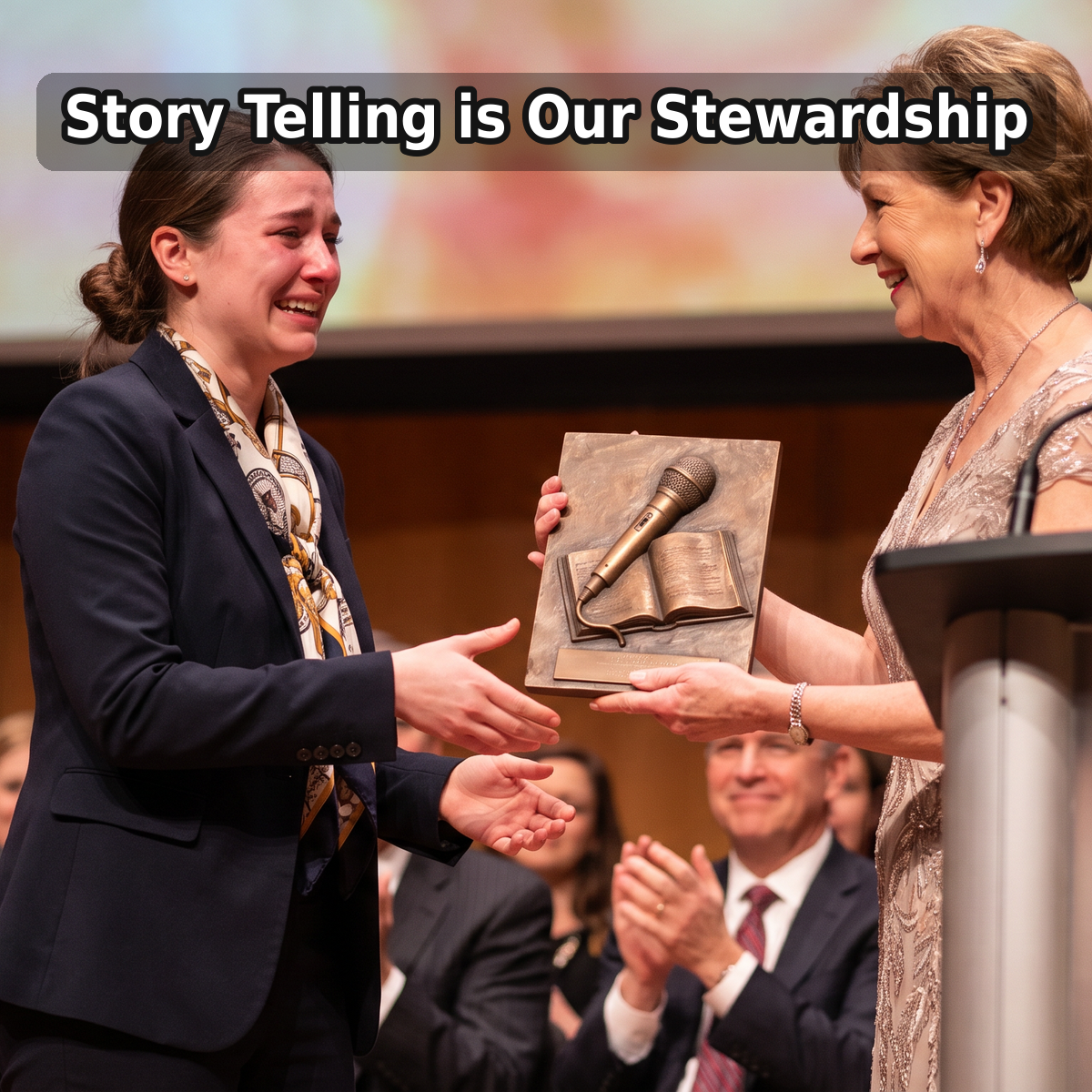
Day 339 – Story Telling is Our Stewardship

The author reflects on the importance of storytelling after witnessing his daughter receive an award for her perseverance. He argues that stories are crucial for passing down wisdom and experience across generations, preventing the loss of valuable lessons learned through life’s challenges.

Read More

Day 338 – What Is Humility?

Humility is often misunderstood as self-abasement, but it’s actually the ability to accurately perceive oneself, including strengths, weaknesses, and dependence on others. This perspective allows for easier learning, improved judgment, and better interpersonal relationships. Humble leaders foster open communication, and embracing humility can be incredibly freeing.

Read More

Day 337 – Principle Artifact Confusion

The author draws a parallel between the barefoot running craze and the current hype around AI coding tools, highlighting the danger of “Principle–Artifact Confusion.” This occurs when a sophisticated practice is reduced to a product, and the product is then mistaken for the underlying principle that made the original practice successful. The article emphasizes that AI should amplify good fundamentals, not replace them.

Read More

Day 336 – Your Presenteeism is Not Useful

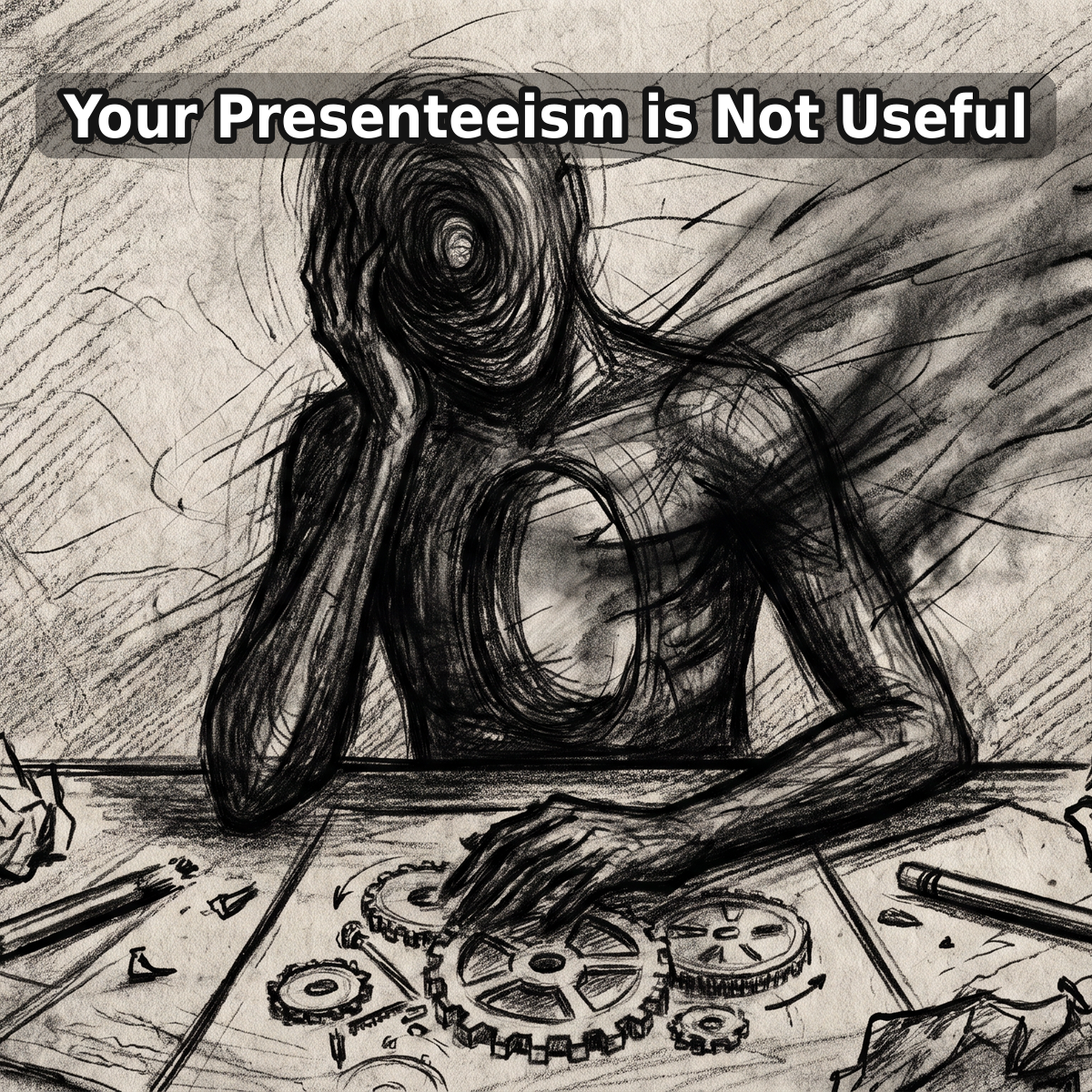
This article challenges the common belief that simply being present at work, even when performing suboptimally, is beneficial. It argues that ‘presenteeism’ can lead to decreased output, increased mistakes, and prolonged recovery, ultimately creating a ‘recovery debt.’ The piece advocates for deliberate rest as an investment in future productivity, emphasizing that true recovery involves activities like sleep, proper nutrition, and disconnecting from work, rather than passive leisure.

Read More
0
Would love your thoughts, please comment.x
()
x