Years ago, I remember reading about this team that had discovered that homing pigeons were starting to adopt our roadways as navigational guides to find their way back home. This was startling because homing pigeons have a natural instinct that guides them back home, but over time, and in the right circumstances, the pigeons had adapted to using the more reliable method of following human roadways. I found that fascinating for some reason, which is why a recent article from Neuroscience News caught my attention.
A group of researchers figured out that if they could temporarily shut down the prefrontal cortex in a mouse, then the mouse would adopt a better path in a maze over the one that the mouse had learned. Meaning, by hindering the active part of the mouse’s brain, the mouse was more likely to adopt a new and superior method of achieving the desired result. The group published their paper this year: Kai Lu, Kelvin T. Wong, Chengcheng J. Yang, Lin N. Zhou, Yike T. Shi, Maya L. Costello, and Robert C. Liu, "Neural competition between prefrontal and auditory cortex constrains novel sound strategy learning." This paper, although far from conclusive, does demonstrate that the prefrontal cortex can get in the way of adopting new and improved methods in favor of learned ones.
This experiment used female mice and their strong instinct to recover mouse pups when they wander out of the nest. The mice will strongly favor going to the last location that they had found a mouse pup, despite the fact that audible clues, the sound of the pup, might be coming from another direction. They discovered that it takes four to eight days for the female mice to adapt to the auditory signal rather than relying on what their brain is telling them the most logical place is supposed to be. Effectively, the strong impulse is to follow the instinct of going to the last place that a pup was found. Eventually, the mice learn the new method, follow the audible signal, and find the lost mouse pup.
What the scientists did was use a chemical compound to silence the receptors for the prefrontal cortex, which effectively caused the mice to be more receptive to alternatives. In the case of the mice that had this chemical silencing implemented, they are significantly faster at changing their path to follow the audible signal instead. Although we are talking basic lab mice here, the implication here is incredible. What if our active part of our brain is deceiving us into following an instinct that is just not correct? How long will we follow what we think is right before we finally accept that a new path is actually superior?
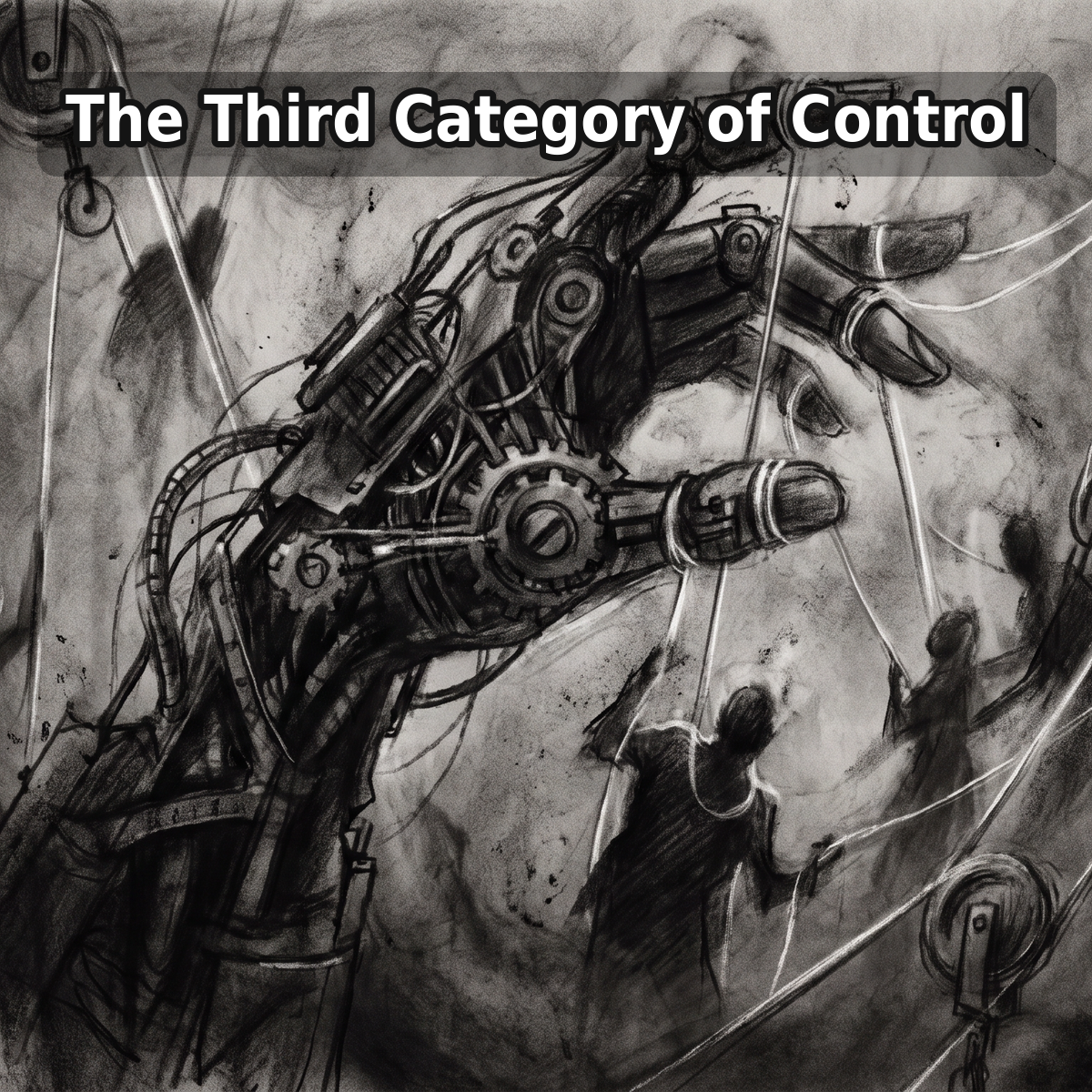
The better path is often already available, but our default machinery keeps us running the familiar play. The discipline of change is partly about overriding the very system that feels like it is in charge. So perhaps all those New Age hippies that talk about using meditation as a method to quiet the active mind were right this whole time! Sometimes we do need to quiet this part of our mind in order to truly think outside of the box. This is not easy to do because we all have the bias to believe that our active brain is always correct, because our instinct for survival typically depends on it. However, we are usually NOT in a life-or-death situation, so learning to quiet this part of our mind and look at alternatives is definitely a worthy consideration.
So, next time you’re feeling stuck or like you’re hitting a wall, maybe take a moment to just… chill. Let your mind wander a bit, or even just try to consciously dial down that inner monologue. You might be surprised at what fresh ideas or clearer paths emerge when you give your usual thought patterns a little break. It’s not about shutting down completely, but more about creating some space for something new to click into place.