The slow accumulation of incremental improvements is indeed what makes good habits so powerful. However, this process cannot be mindless. If you simply go through the motions without reinforcing in your mind what you are doing and why, the positive benefits will quickly degrade.
I’ve often emphasized that small things matter. A single workout won’t transform your life. Writing one paragraph won’t make you an author. Saving a few dollars won’t make you wealthy. Reading ten pages won’t make you wise. But consistently doing these things, over a long enough period, can lead to something remarkable. At least, that’s the theory.
Yet, there’s a crucial qualification to this idea that we sometimes overlook. Small actions don’t automatically compound just because we repeat them. Repetition is necessary, but it’s not sufficient on its own. You can do something every day and still find yourself going nowhere.
This might sound almost heretical coming from someone who has dedicated years to the concept of daily commitment, but it’s an important distinction. Researchers Mathias Berggren and Jessica Kay Flake recently published an interesting statistical illustration in Perspectives on Psychological Science. They examined the common assumption that small psychological effects naturally accumulate into significant long-term consequences.
Their conclusion wasn’t that small effects are meaningless; quite the opposite. Their argument was that accumulation depends on the structure of the system. Under the right conditions, small effects can absolutely become large ones. However, those conditions are more restrictive than we tend to assume. Small deviations can weaken the effect, other forces can counteract it, and the environment can even neutralize it. In some circumstances, the long-term effect can even move in the opposite direction.
This caught my attention because it applies remarkably well to habits. Imagine you decide to exercise every morning. For six months, you dutifully walk into the gym, spend thirty minutes moving around, check the box on your habit tracker, and leave. Technically, you’ve been extraordinarily consistent. But what if you never increase the weight? What if you never pay attention to your form? What if you spend half the workout looking at your phone? What if your diet progressively worsens because you subconsciously believe the exercise gives you permission to eat whatever you want? You’ve maintained the habit while slowly eliminating much of its benefit.
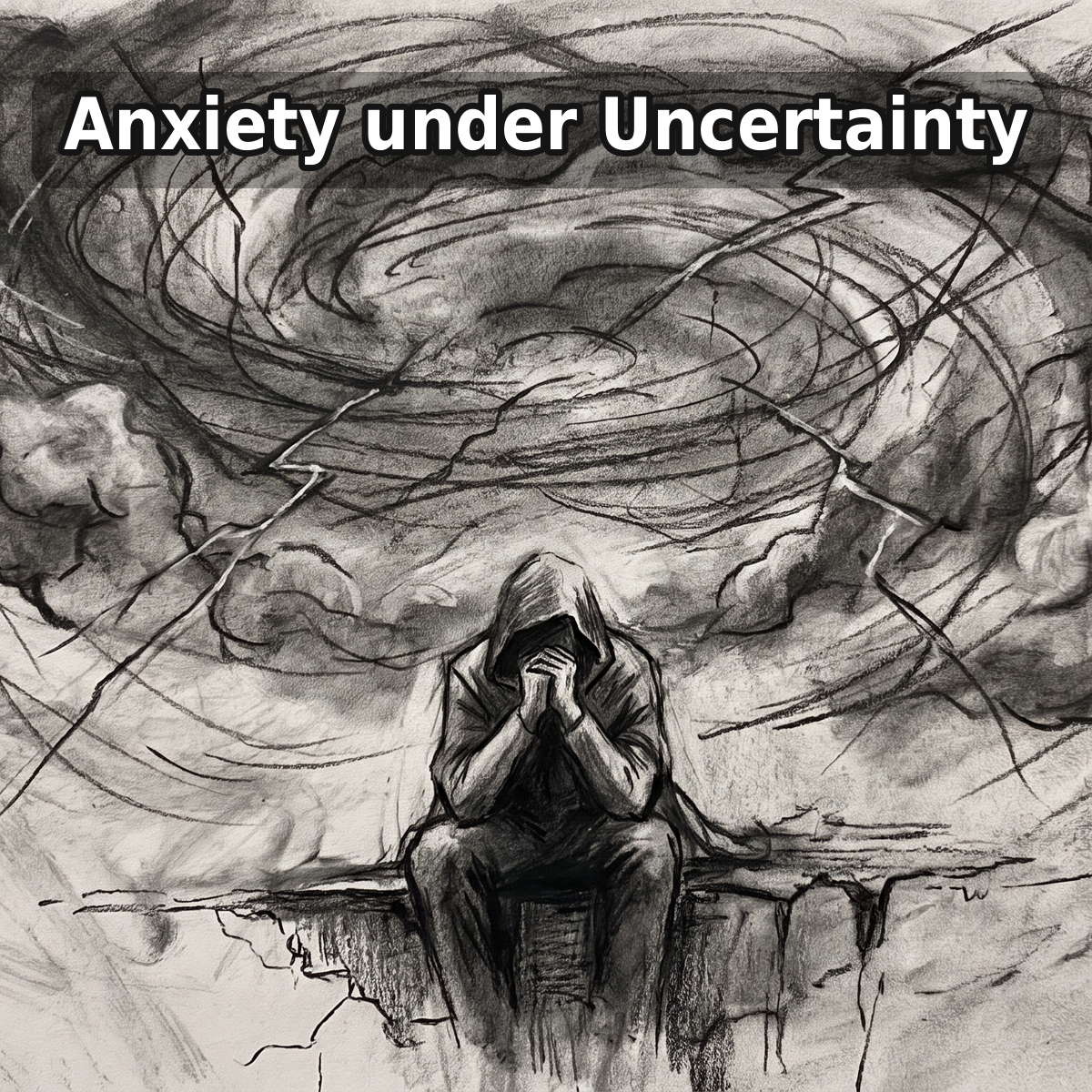
The same thing can happen with almost anything. You can read every day without thinking deeply about what you’re reading. You can write every day without striving to become a better writer. You can pray every day while barely considering the words coming out of your mouth. You can spend time with your children every evening while staring at a screen. The activity continues, but the intention disappears. This is where mindlessness becomes dangerous.
Habits are powerful partly because they reduce the amount of conscious effort required to perform an action. That’s the great advantage of a habit: you no longer have to negotiate with yourself every morning about whether you’re going to do the thing. But that advantage contains a trap. The easier an action becomes to perform automatically, the easier it becomes to forget why you started doing it. Eventually, the habit can become a ritual whose original purpose has been lost.
I believe this is why reflection must be part of any meaningful system of personal improvement. You occasionally need to reconnect the action with the reason behind it. Why am I running? Why am I writing? Why am I saving money? Why am I studying this? Why did I make this commitment in the first first place? These questions keep the habit pointed in the right direction.
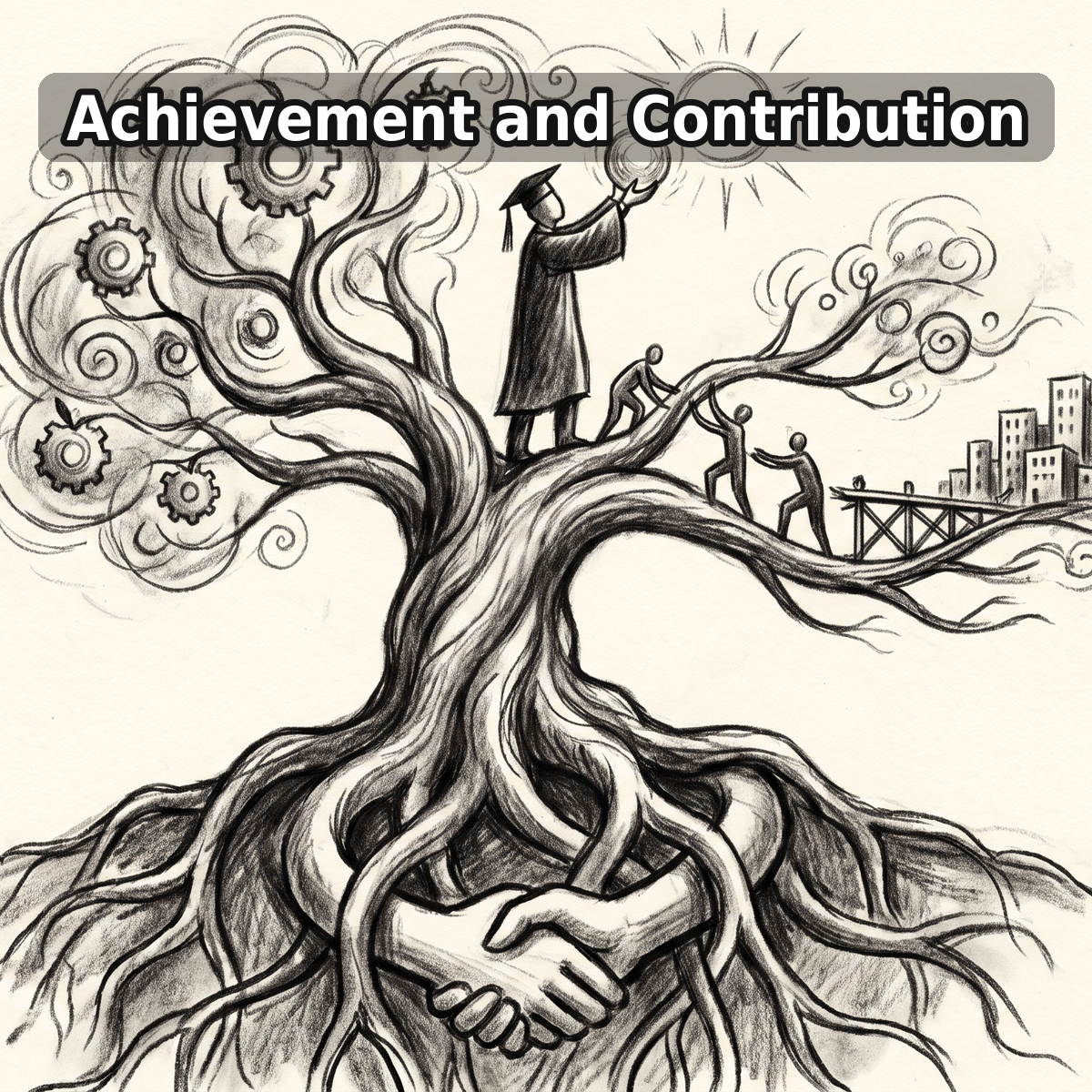
The real power of a daily commitment isn’t simply that you performed an action 365 times. The power comes from creating a loop in which the action reinforces the person you are trying to become. You run, and in doing so, remind yourself that you are becoming someone capable of running farther. You write, and begin noticing how your writing could become clearer. You study, and recognize connections you couldn’t see before. You serve someone, and become more attentive to opportunities to serve again. The action produces feedback. The feedback changes you. The changed person approaches tomorrow’s action a little differently. That is compounding. It is not simply repetition.
This distinction matters because we love simple formulas: "Do this every day." "Never break the chain." "Get one percent better." "Trust the process." There’s wisdom in all of these ideas, but none of them are magic. A process only deserves your trust if it’s taking you somewhere worth going. Every once in a while, look up. Ask whether the thing you’ve been faithfully repeating is still producing the result you intended. Adjust the process. Increase the difficulty. Remove something that’s interfering with it. Reconnect the action to its purpose. Then keep going.
Small things can become enormous things over time. That remains one of the most powerful principles I know. But they compound only when we protect the effect. Consistency gives us the repetitions. Attention makes the repetitions count.