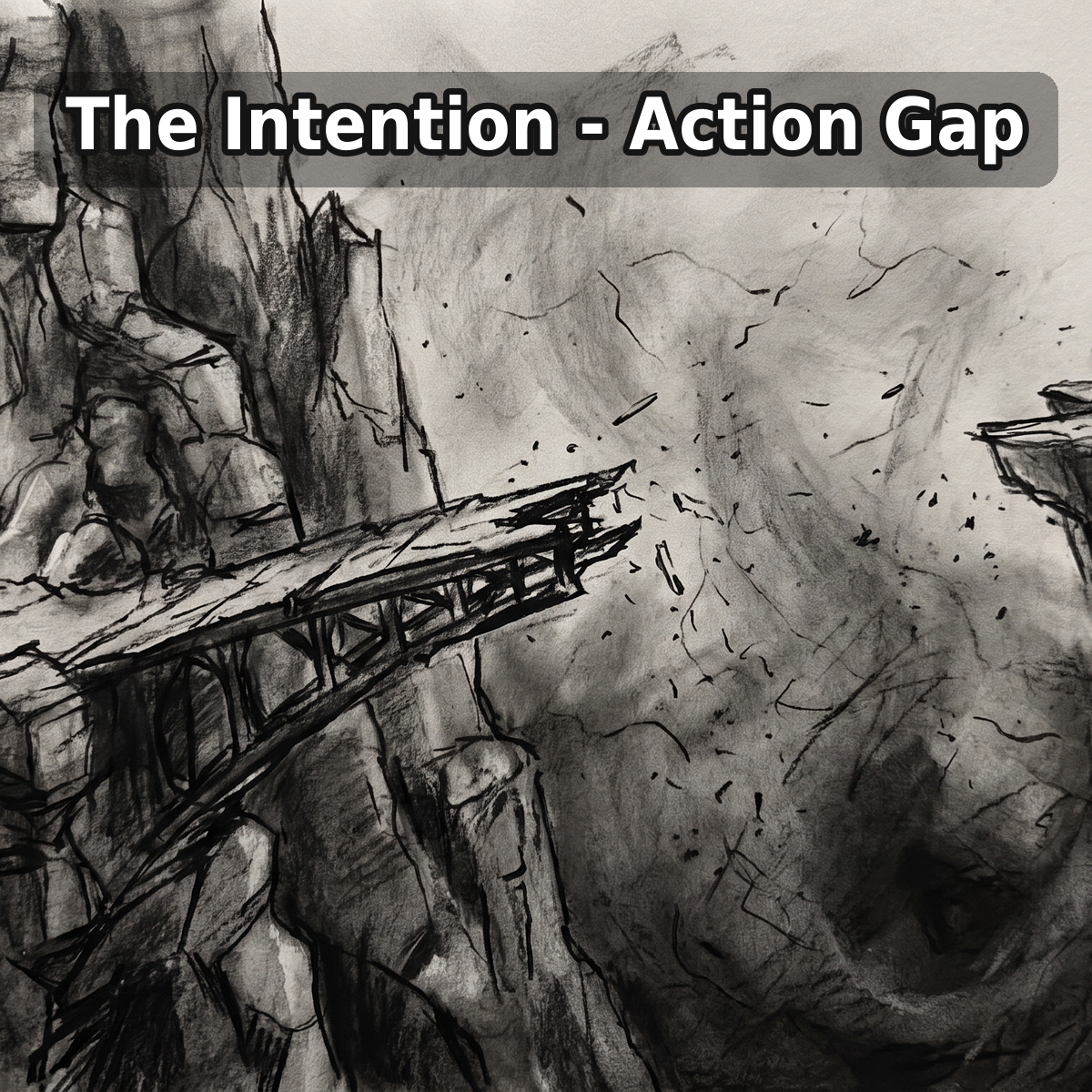
We all have good intentions. If there were a reward for what we intend to do, then some of us would be highly decorated. Yet, unfortunately, many of our large aspirations never see the light of day. They lay dormant, quiet, with nothing but our own internal hopes and dreams to keep them company. Our most noble of intentions are just goals that are psychologically weak because they remain abstract, distant, and fleeting.
So how do you close this intention-to-action gap? How do you move from merely being aspirational to an actual practice? The first step is to name these goals, give them shape and meaning. Describe what they are and write them down. Say them out loud and commit them to both written and spoken words. If there is anything we know for certain, it is that the goal that is written down has a far greater chance of being achieved than a vague and formless fancy of your heart.
Goal-setting research over the decades has many ideas that can be helpful when we ponder how to go about achieving what we desire, but the one consistent theme is that a goal has to be specific and meaningful, and once it is given a shape, written into language, and repeated, it becomes more real. Translating your intention to action first requires the specific act of defining what it is that you want, and defining it well enough that you can articulate it with words.
If writing the goal down is the first half of the battle, converting that goal to daily action is the second. Once you know your goal and you can read it and repeat what it is because you have articulated it, the next big step is to ask yourself this question every morning: “What are the most important things I can do today to achieve my goals?” This question is incredibly important because you are leaving the world of intention and entering into daily action.
When you ask this question and make the attempt to convert your intention into daily action, then you are no longer just "doing my best" and are now finding focus with consistent daily effort. That produces a persistence that, over time, will begin to pave a path that will lead toward the accomplishment of what you have written down. This is the way, and although these two major steps may sound incredibly simple, most people do not ever take them. They remain forever on the other side of intention.
So if you wish to cross the chasm from intent to action, then first write your goals down and then ask yourself the simple question every morning: What am I going to do about it today?