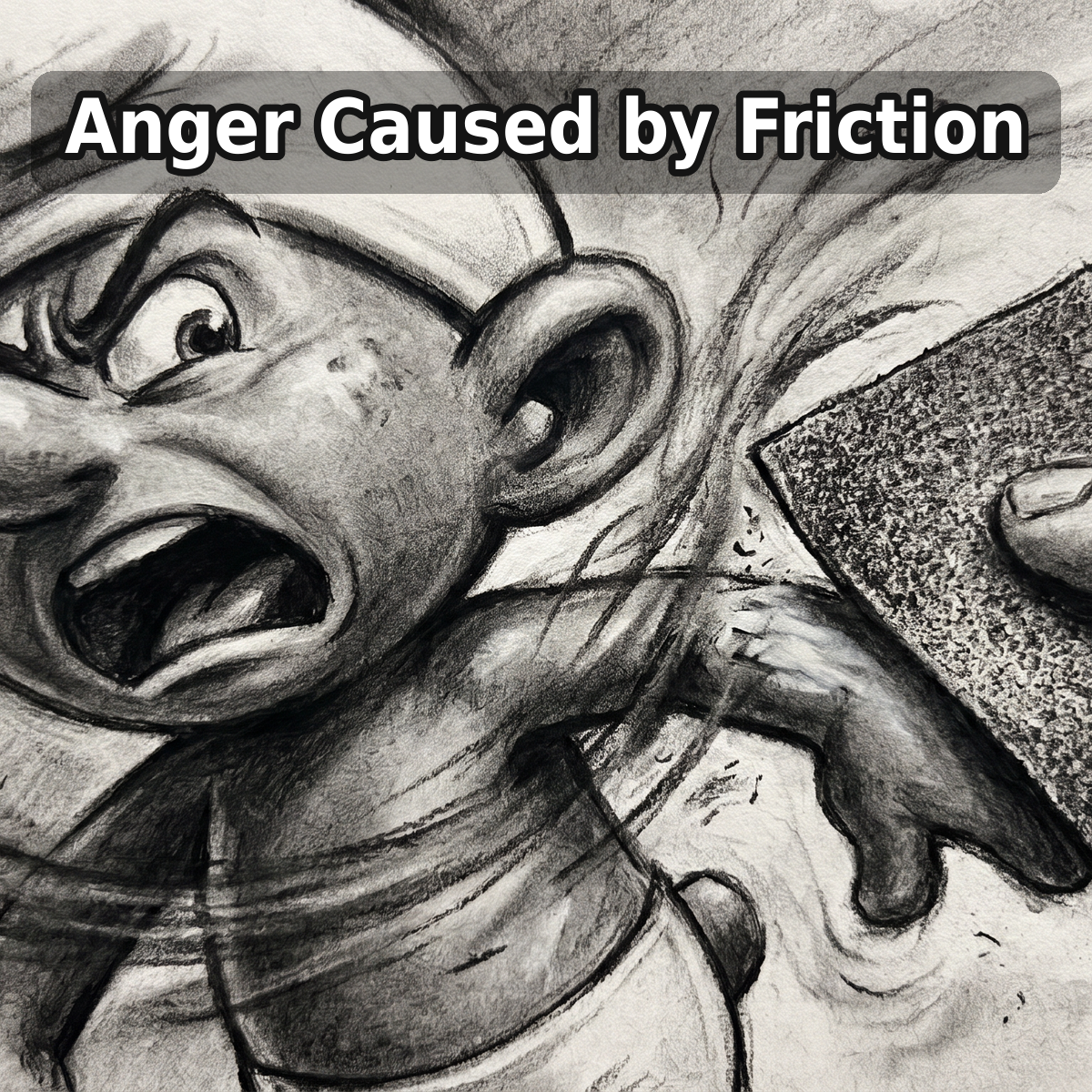
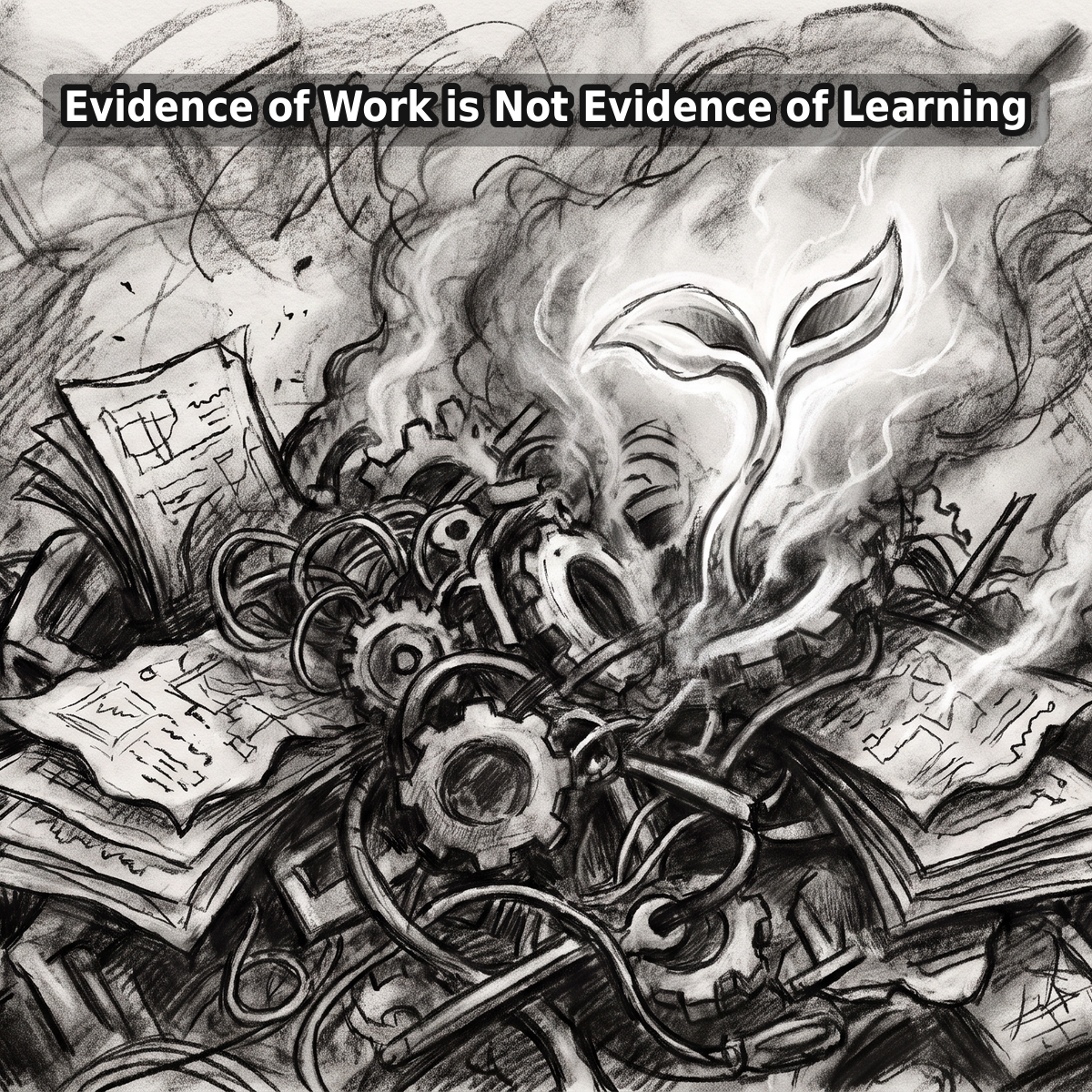
Reflecting on the hard part of pushing myself to do things that I am not comfortable with. Once I get past the angst of making a commitment and then I start doing it, my temptation is to go all out. Like when I ran the race on Sunday. I knew, I absolutely knew, that if for every minute that I went to fast in the beginning, the result would be 2 minutes slower in the end. Yet, guess what? I ran too fast in the beginning anyway.
I had trained and trained and trained to run exactly at around 8:47 per minute pace for long distances. I had dialed this in pretty well, but when it came to race day, despite me whispering to myself that I needed to slow down – I ended up running between 7:45 and 8:30 min/mile pace. Later in the race I paid the price and ended up crawling in at a 11:30/12:00 min/mile pace. I knew this would happen. The slightly under 9:00 min/mile pace just seemed so frustratingly slow! And everyone was passing me! Even Elvis was passing me! The 75 year old woman in a flowery costume was passing me! So I did what I knew was wrong. I ran too fast, paid the price. I came in ok, but it would have been a lot better for me if I would have stuck with the game plan.
I am having the same problem with recovery. I KNOW that recovery is important, but now that it is day 2 of that I am ready to start up again. I know that I am not supposed to. Give myself time to rest, take it easy. Blah Blah Blah. Here is my problem. I am going to end up pushing myself. I am going to end up doing too much then I am going to pay the price and struggle.
Why is it that resting and recovering is now suddenly hard? What caused that to happen? Is that a good thing? Perhaps this is what real athletic performance is all about. Understanding the importance of pacing, recovery, rest periods and human physiology.
Starting to think this also applies in other areas of my life. I push so hard on something, too the point of failure and then I finally take a break from worrying about it and all of a sudden everything happens and I had nothing to worry about after all. What is that about?
Resting seems to be just as important then the effort itself. So hard to accept. Yet so vitally true. That is the hard part it seems. Understanding that balance. Pushing yourself hard enough to fail and consequently grow, and yet knowing when to rest and relax when recovery is required.
Guy Reams