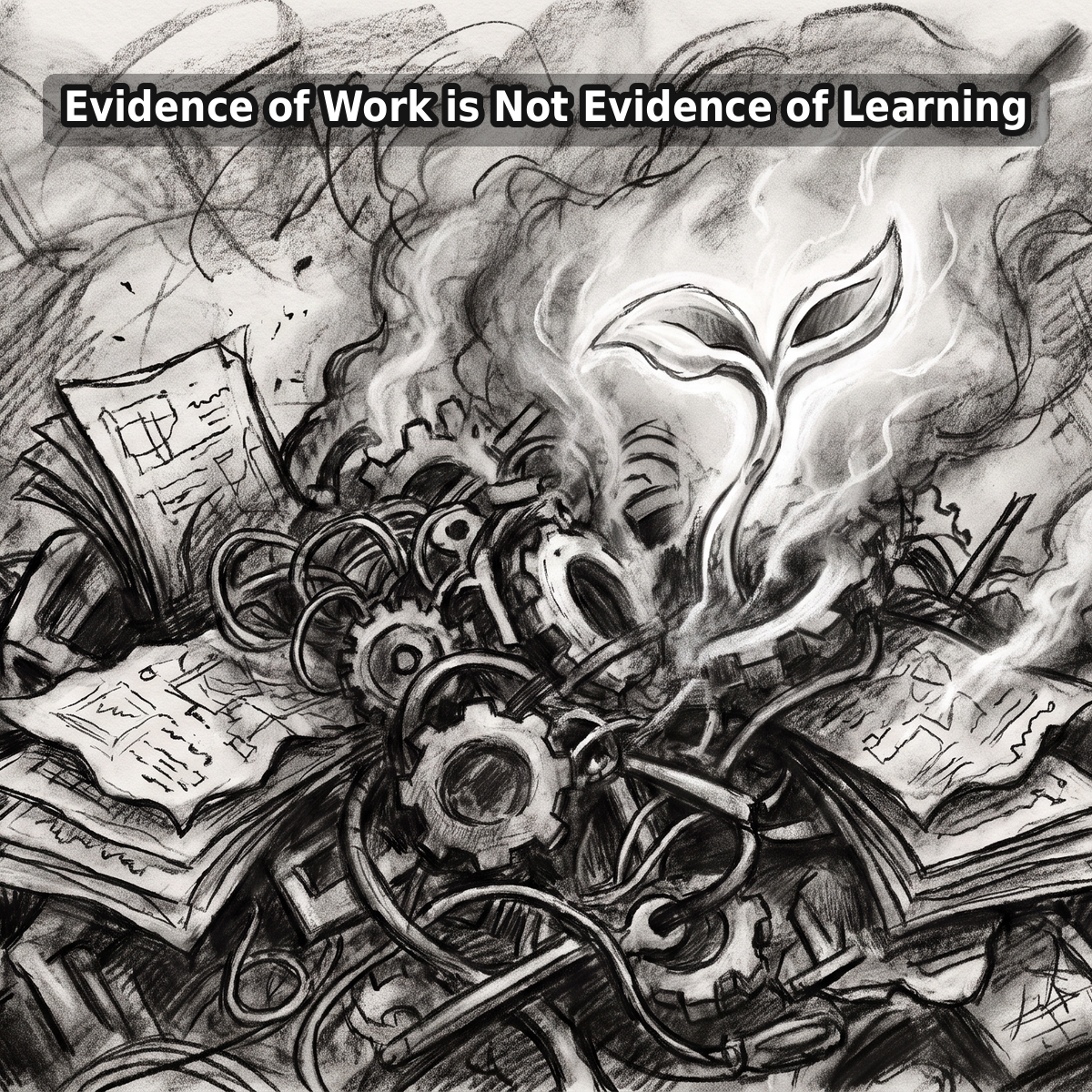
“Tell me and I forget, teach me and I may remember, involve me and I learn.”
– Ben Franklin
This quote should be placed over the doorway of every classroom of every school. I love it! Franklin succinctly elevates the meaning of learning and provides the mechanism for attaining it.
Knowledge and skills are on a continuum that starts at simple awareness and ends at full integration into a person. One could say that learning occurs at any and all points on this continuum, and that would be correct if we apply a very general definition for “learn.” I don’t think that Ben Franklin is using that kind of definition though.
I think that Franklin is pointing out that surface knowledge is transitory and of little value. His implies “learning” does not really occur at all until we become involved with a subject or an idea. It’s the difference between knowing what a carpenter does for a living and being a carpenter. It’s the difference between reading an article about trash on the beach and going to the beach and picking up trash.
So, involvement is the key, the threshold that must be passed before we learn – in order to learn. Involvement means to be included, affected, enmeshed. It somehow involves risk through participation. This has powerful implications for both learners and teachers.
Realize that ideas that you hold, or knowledge you think you have, actually has little value unless derived from your actual involvement, participation, and experience with the subject. Therefore, to increase the value of your knowledge, get out there and engage – attempt to do! If you are a teacher who wishes to provide real value then strive to involve people – create situations that include, affect and enmesh – where some risk and some fun occur.
This is why we learn so quickly when we play! Play and involvement are nearly synonymous. Play is involvement with the promise of fun, risk, and a framework of sorts.
Maybe a better name for a teacher would be “Involver” ? Hmmm. Doesn’t really have a ring to it, but it seems to get to point of what a good teacher does.
Still, Franklin’s point stands. To gain knowledge of any real value get involved personally so that you are affected by the subject. To confer knowledge of value, involve others in an experience that affects them.
Ben Wagner (242)
Member The 365 Commitment