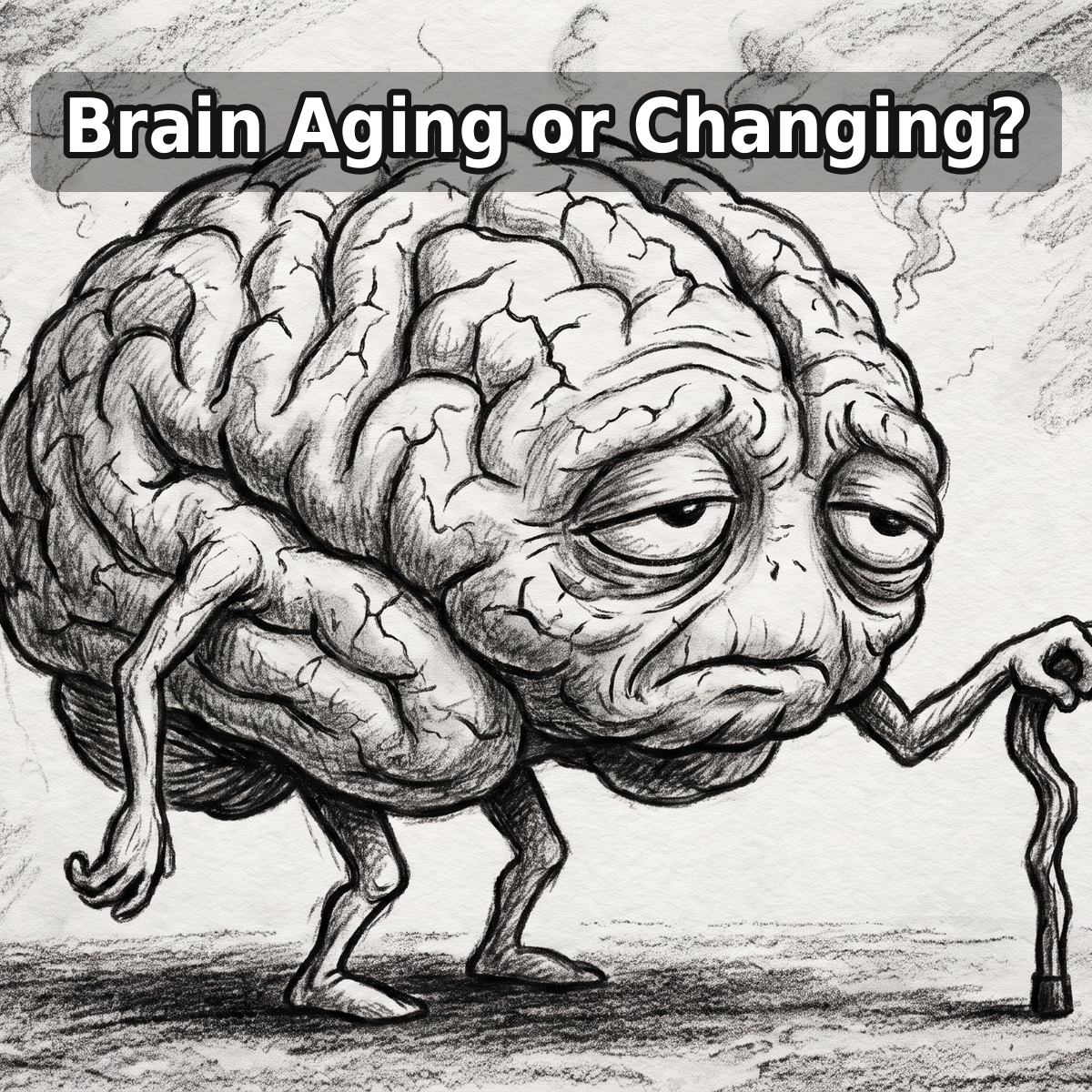
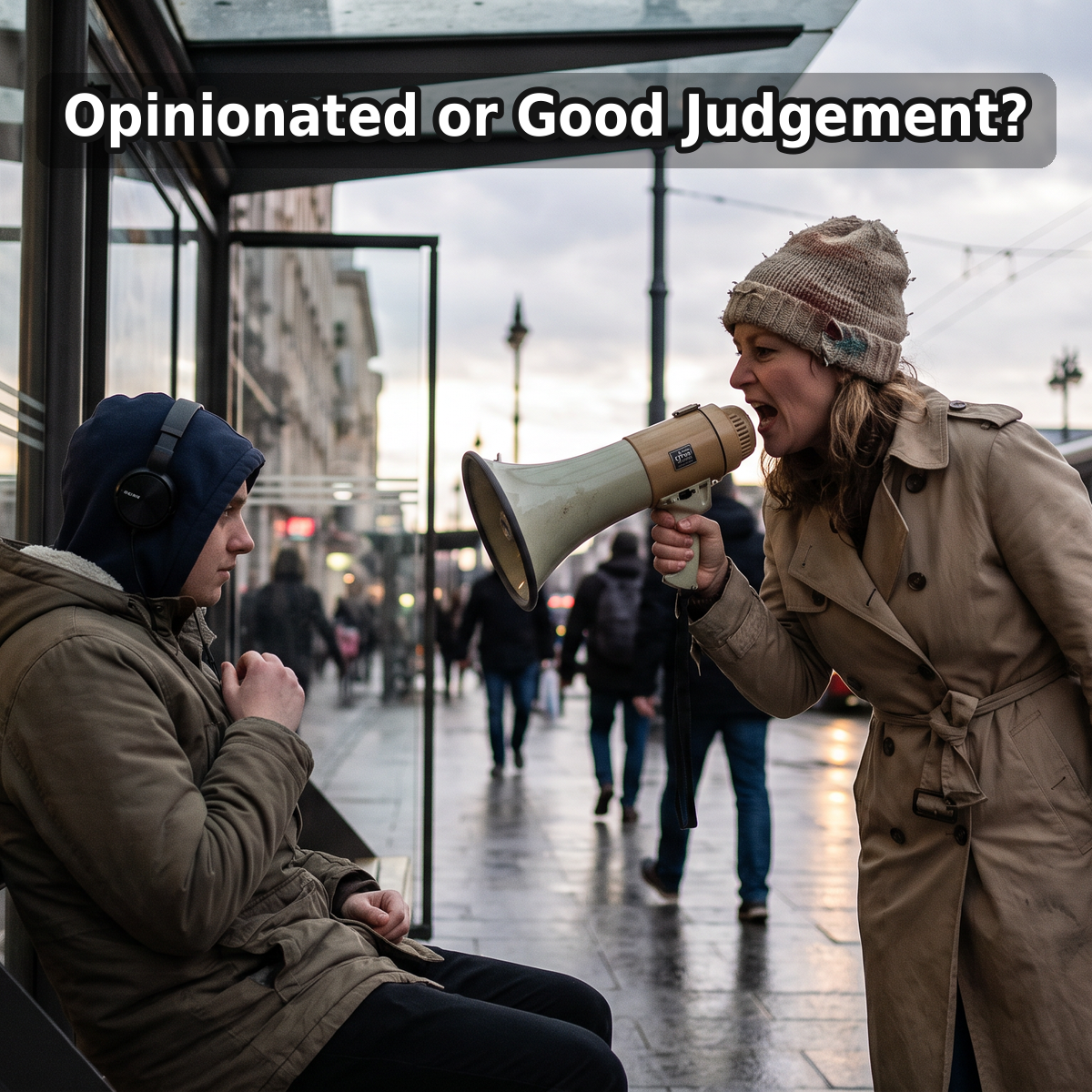
Christians are always perplexed by this simple phrase that Jesus’ starts one of his sermons with, “Judge Not.” This seems like a good idea, right? How can you judge another of their faults when you have plenty of your own? However, this is at odds with another equally important concept to stay away from evil. You have to judge what is evil in order to stay away from it, right?
So this idea of judgement creates and interesting paradox and potential hypocrisy. However, at the root of this is a fundamental building block of all humanity. You see we are probably the most adept and capable creatures in all of creation at the ability to judge a situation extremely quickly. Scroll through your social media posts, and you will see this in action. You can filter a really fast scroll of images, text and process them incredibly fast and determine (judge) if you should look at them. Can you imagine how incredibly complicated it is to create an artificial intelligence that can do just that? We still cannot figure it out. I can tell that by the “placement” ads that I get. Some are dead on. Yup, I am very interested in buying a emergency SOS satellite transmitter. Uh..no, I have absolutely no interest in buying the latest brand of flavored vape products. At any rate, the ability for humans to judge and judge quickly is incredible.
Quick story. I was running up in the foothills near Boulder, CO. I was running down a mountain path and I came to a switchback that made a quick u turn back down the other side of the mountain. Just as I made the turn, a large Coyote was also making the turn coming up the trail. When we both saw each other, millions of years of instinct kicked in and we both jumped up and backwards. We both instantly judged the situation as potentially dangerous and adrenaline kicked in and we both reacted immediately. We stared at each other for a good 5 minutes, breathing heavily. We circled each other, and by unspoken agreement we both continued on our way. We have a built in mechanism for judging a situation that we share with all sentient life.
Unfortunately, this extends into everything we do. Whenever we meet a new person, we instantly judge them. We make quick decisions about our safety, and that extends into many areas. That tattoo on the side of the neck, that pink hair, that cut leather jacket, that MegaDeath t-shirt are all factors that we take in to make a prompt and quick decision. We take it all in, observe, analyze and produce an assessment for us to act on. We cannot avoid this, it is ingrained into every nerve ending and synapse of our body.
However, how many times to we let this initial judgement bleed into casting judgement? Putting someone in a mold as one “of those people.” I met one of those Droogies before and all those Knuckleheads are the same. I immediately cast this person wearing the MegaDeath shirt into a frame of reference never to be let out. We do this all the time. This is a silly example and only comes to mind because yesterday I was in line at a burgerstand in the San Diego harbor next to a teenage girl wearing a MegaDeath CyberArmy shirt. It was really hard to connect the sweet little girl persona with the heavy metal band shirt.
So that got me thinking. How many times do I put someone in a mold and they have no hope of getting out? I judged them once for something they said or did and now forever they are in that set category. I am going to try to question myself this next week. Am I judging here?
Guy Reams