We are a culture that seems obsessed with time travel. Movies, streaming series, novels—all feed into this fascination with going back in time and changing things. As a child, I watched Dr. Who, marveling at how he navigated space and time, meddling with the past. This concept intrigued me, just as the potentially Danish-rooted mantra “coulda, woulda, shoulda,” often sung by my mother and grandmother, did. This phrase, likely derived from the abbreviations of ‘could have, ”would have,’ and ‘should have,’ became a rhythmic reminder of life’s many what-ifs.
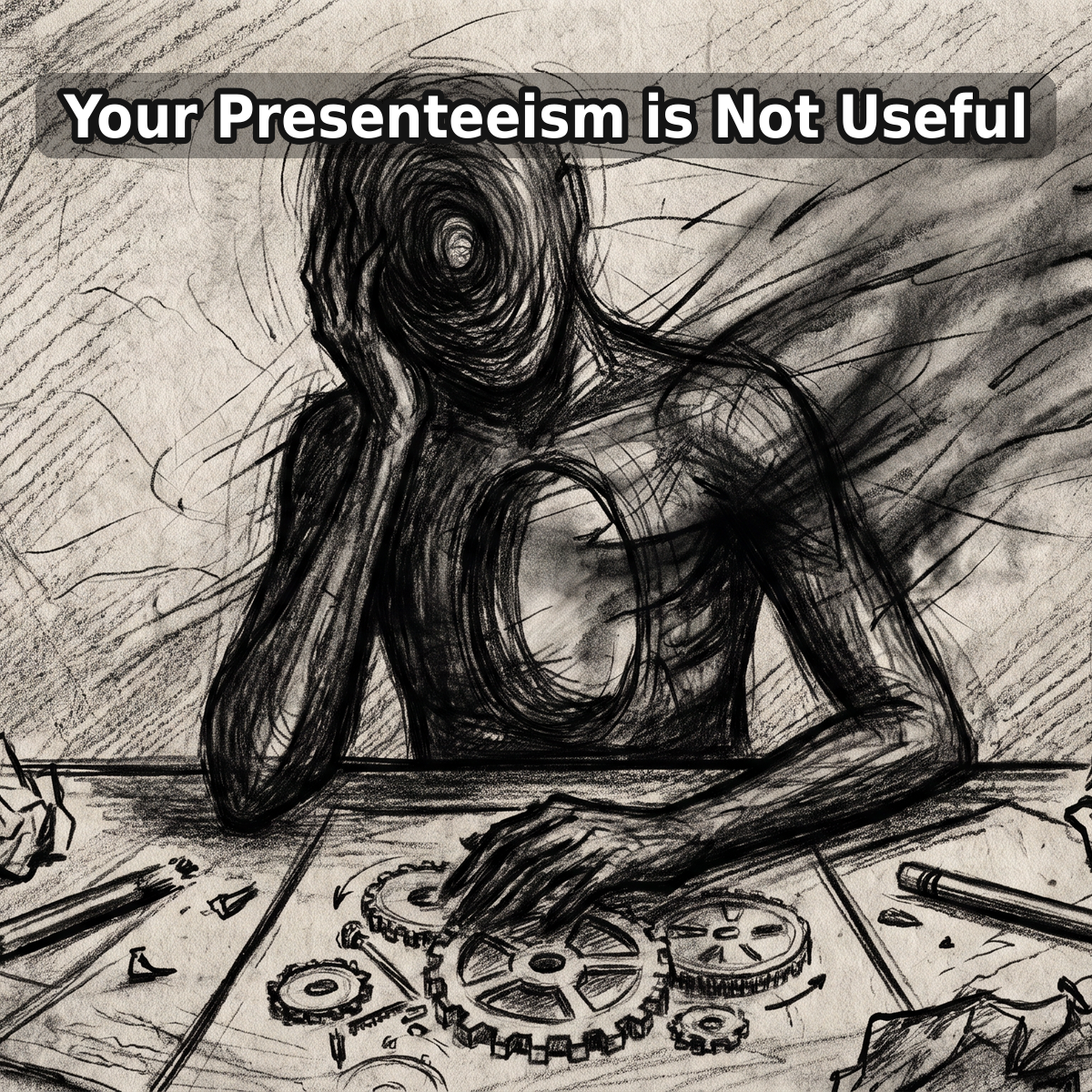
I’ve learned, now older, that this phrase embodies an attitude that’s quite useful when considering our personal past. Many of us grapple with regret, guilt, and shame—emotions that, while serving a purpose, can lead us to dwell too much on our mistakes and not enough on our current actions to better our lives. I want to illustrate this concept with three examples from my life where a reformed attitude towards “coulda, woulda, shoulda” plays a significant role.
A few years ago, I made a career decision I now regret. This choice led to unnecessary difficulties and hindered my career progress. I often think, “I could have chosen differently, and I should have,” thus accelerating my career. However, the realization that I can still make a different decision today, although not practical, teaches me that dwelling on past regrets is often a futile exercise.
Similarly, my first business was a mix of success and failure. In retrospect, many failures stemmed from my indecisiveness and lack of focus. Had I realized this sooner, I might have started another, more focused venture. Yet, here, too, the guilt of past decisions is overshadowed by the present-day opportunity to start anew, an option I hesitate to take.
Finally, my journey with fitness—increasing daily push-ups, sit-ups, and squats to 365 each—taught me about persistence and the consequences of letting go of good habits. After reaching my goal, I quit, leading to a decline in my fitness. Unlike my previous examples, here I’ve chosen to act in the present, restarting the regime and not allowing shame from past inaction to hinder me.
In reflecting on these stories, it’s clear that ‘coulda, woulda, shoulda,’ while often seen as a lament for the past, can actually be a catalyst for present action. It allows us to learn from our past and use that knowledge to improve our present. Just as Dr. Who navigated through time with purpose, we too can navigate our lives not with regret but with the wisdom to shape a better now and a brighter future. ‘Coulda, woulda, shoulda’ thus transforms from a refrain of regret to a chant of empowerment, reminding us that while we can’t change our past, we certainly can shape our present and future.