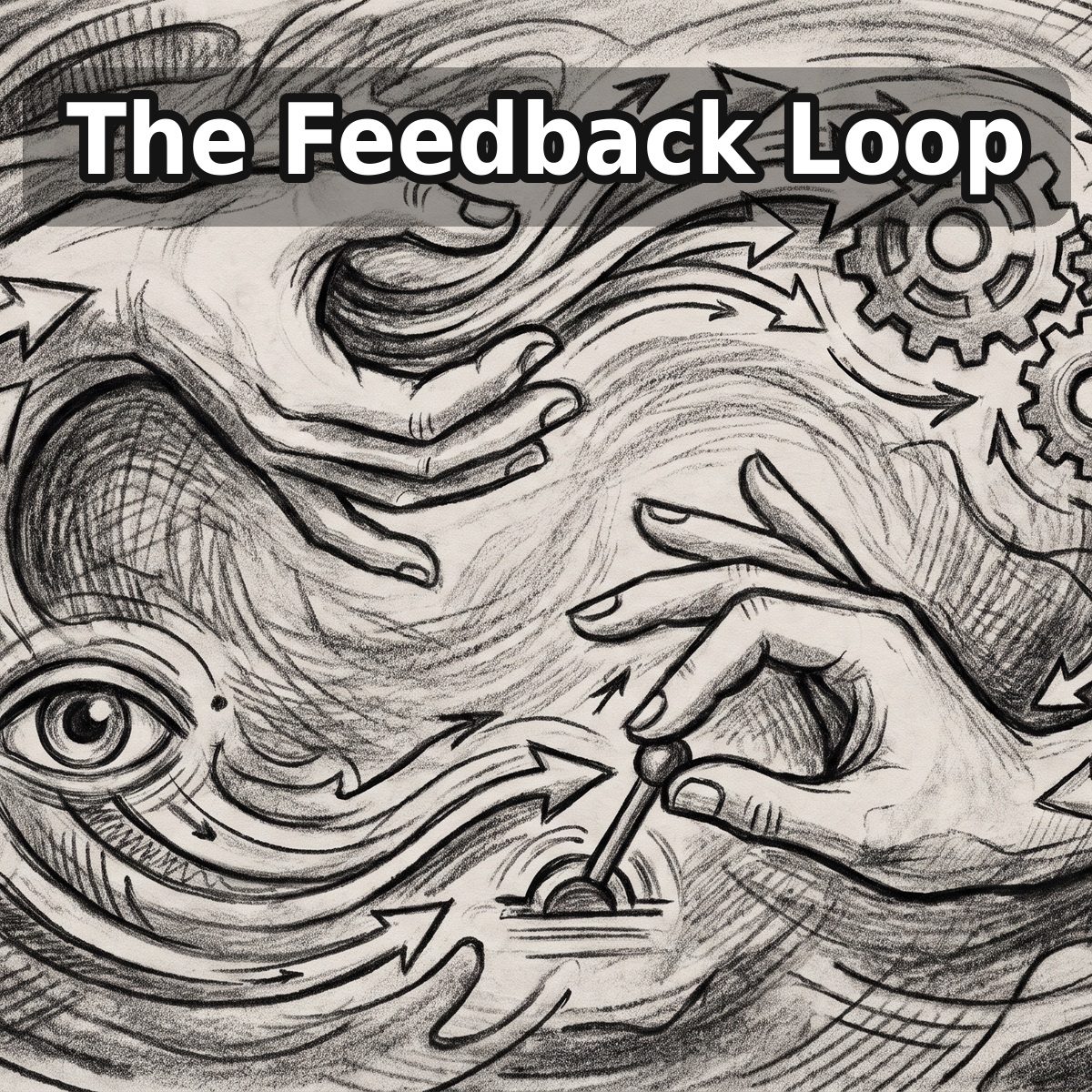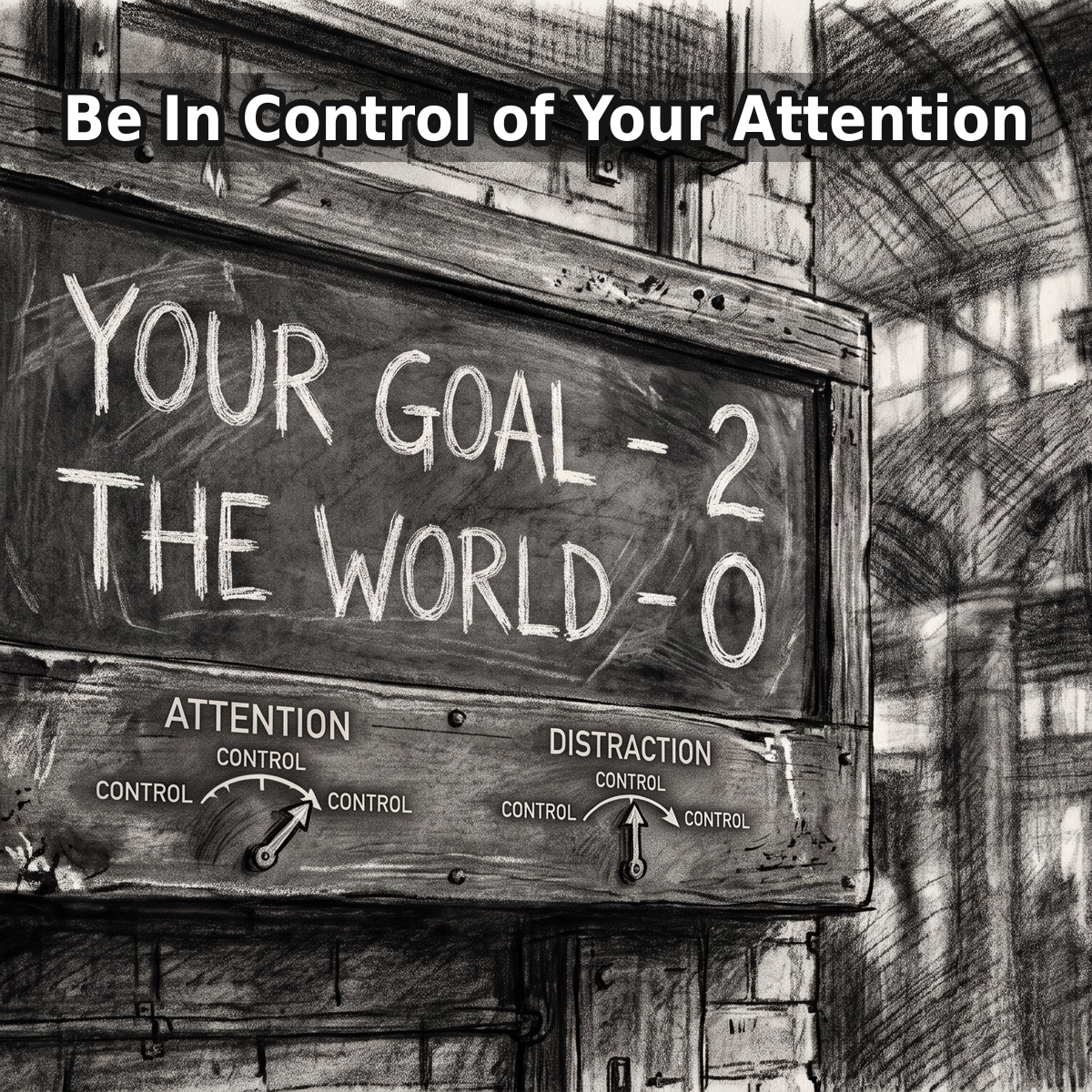
Throughout various stages of my life, I’ve often found myself intensely focused on becoming more efficient. My goal was simple: accomplish more, reduce my workload, and save resources like time and money. However, I’ve come to realize that humans aren’t inherently efficient. Sure, we have moments of high efficiency, particularly when we’re deeply engaged and excited about a task. But more often than not, we find ourselves easily distracted, struggling to stay on task, and observing a gradual decline in our productivity. For instance, during a project last year, my pursuit of efficiency led to burnout rather than increased output. This experience made me question: is there a more effective way to approach our tasks and goals, one that aligns better with our natural tendencies?
This exploration into the heart of productivity made me clearly distinguish between efficiency and effectiveness. Efficiency is about doing things right — it’s the art of accomplishing a task or producing a desired outcome with minimal waste, effort, or resources. It’s a measure of how well inputs are converted into outputs, emphasizing the most economical use of resources. On the other hand, effectiveness focuses on doing the right things — it’s concerned with the degree of success in achieving a desired result, independent of the resources used.
While efficiency zeroes in on the method or process, effectiveness is about the end result or goal. Ideally, we aim to blend these two – to be efficient (minimizing waste) and effective (achieving the desired outcome). However, in my journey towards enhancing personal productivity and building business value, I’ve learned that the balance is delicate. We optimize processes to enhance efficiency, but the real value often lies in empowering ourselves and others to be effective. For instance, in a project management scenario, an efficient process might streamline tasks, but it’s the team’s effectiveness in meeting client needs that truly drives success. Understanding this has reshaped my approach, placing greater emphasis on outcome rather than just process.
My approach to work has evolved into two distinct categories, inspired by Michael Gerber’s concept in ‘E-myth Revisited’: working ‘on’ the business and working ‘in’ the business. When working ‘on’ the business, I focus on building value through process optimization. This means enhancing efficiency – refining operations so that my team and I can follow streamlined processes, minimizing downtime and resource consumption. This effort, though often behind the scenes, is vital for improving the business’s overall performance.
Conversely, when working ‘in’ the business, my priority shifts to effectiveness. This involves making strategic decisions, choosing the right goals, and ensuring our actions align with these objectives. Here, the emphasis is on ensuring that every effort is targeted towards the most impactful outcomes, driving real progress.
This dual approach extends beyond the business realm into personal life. Consider your life as a system. To optimize it, you need to work ‘on’ your life by improving systems and processes for greater efficiency. Then, you focus on working ‘in’ your life, engaging in activities that yield the highest personal value. For example, ‘working on’ your life might involve establishing a morning routine that maximizes productivity, while ‘working in’ your life could be choosing to spend quality time with your family or pursuing a hobby that brings you joy. By working on your efficiency, you free up your most precious resource – time – to spend on what you value most.
In our relentless pursuit of productivity, the distinction between efficiency and effectiveness often becomes blurred. Through my personal and professional journey, I have learned that while efficiency is about optimizing processes, effectiveness is achieving the right outcomes. This understanding has transformed my approach to business and reshaped my personal life.
As we strive to make the most of our time and resources, we must remember that efficiency and effectiveness are not mutually exclusive but complementary. We fine-tune our processes by working ‘on’ our businesses and lives to ensure efficiency. But more importantly, by working ‘in’ them, we focus on the effectiveness of our actions, ensuring that our efforts align with our goals and values.
Ultimately, the true measure of productivity lies not just in how much we do but in the value and impact of what we achieve. Whether in the boardroom or our personal endeavors, the balance between doing things right and doing the right things is the key to meaningful success. As we navigate the complexities of life and work, let us strive to be masters of both efficiency and effectiveness, recognizing that our greatest accomplishments lie at the intersection of these two powerful concepts.