If you have been in downtown Boston, then you have inevitably seen the Trinity Church on Clarendon Street. The Episcopal congregation in Boston built the Church in 1877. It would be there in 1893 that a funeral service for Phillips Brooks would be held. Several men from various faiths would usher his casket in that day. Although he was the Bishop of the Episcopal faith, he would be known far and wide as the Bishop of Boston.

He would give his lectures and sermons from a small pulpit off to the side of the rectory in this magnificent Church. He was a humble man, for sure, but spoke with an eloquence that was noticed by his community, peers and even the world. He is probably the most famous for authoring the popular Christmas song, called “O’ Little Town of Bethlehem.” He also wrote several books and published various collections of sermons that he wrote. I have a few favorites.

I bring this up, to share one of my favorite quotes by him. I will share this because it seems relevant to the quest of self improvement:

“Do not pray for tasks equal to your powers. Pray for powers equal to your tasks. Then the doing of your work shall be no miracle, but you shall be the Miracle.”

Be the Miracle. I like that!

Guy Reams

Subscribe
Notify of
guest
0 Comments
Inline Feedbacks
View all comments
Share the Post:

Recent Blogs

Day 357 – Curiosity is Cheap

This article explores the challenges introverts face with draining conversations and offers a solution: embracing curiosity. By shifting from feeling the need to “perform” in conversations to simply being curious and asking questions, the perceived energy cost of interactions can be significantly reduced, fostering better relationships.

Read More

Day 356 – Anger Caused by Friction

The author explores the emotion of aggravation, defining it as a low form of anger caused by friction. They propose an escalation pattern for anger, starting from friction and leading to full-blown anger. The core idea is that aggravation arises when one repeatedly spends attention on something they believe doesn’t deserve it.

Read More

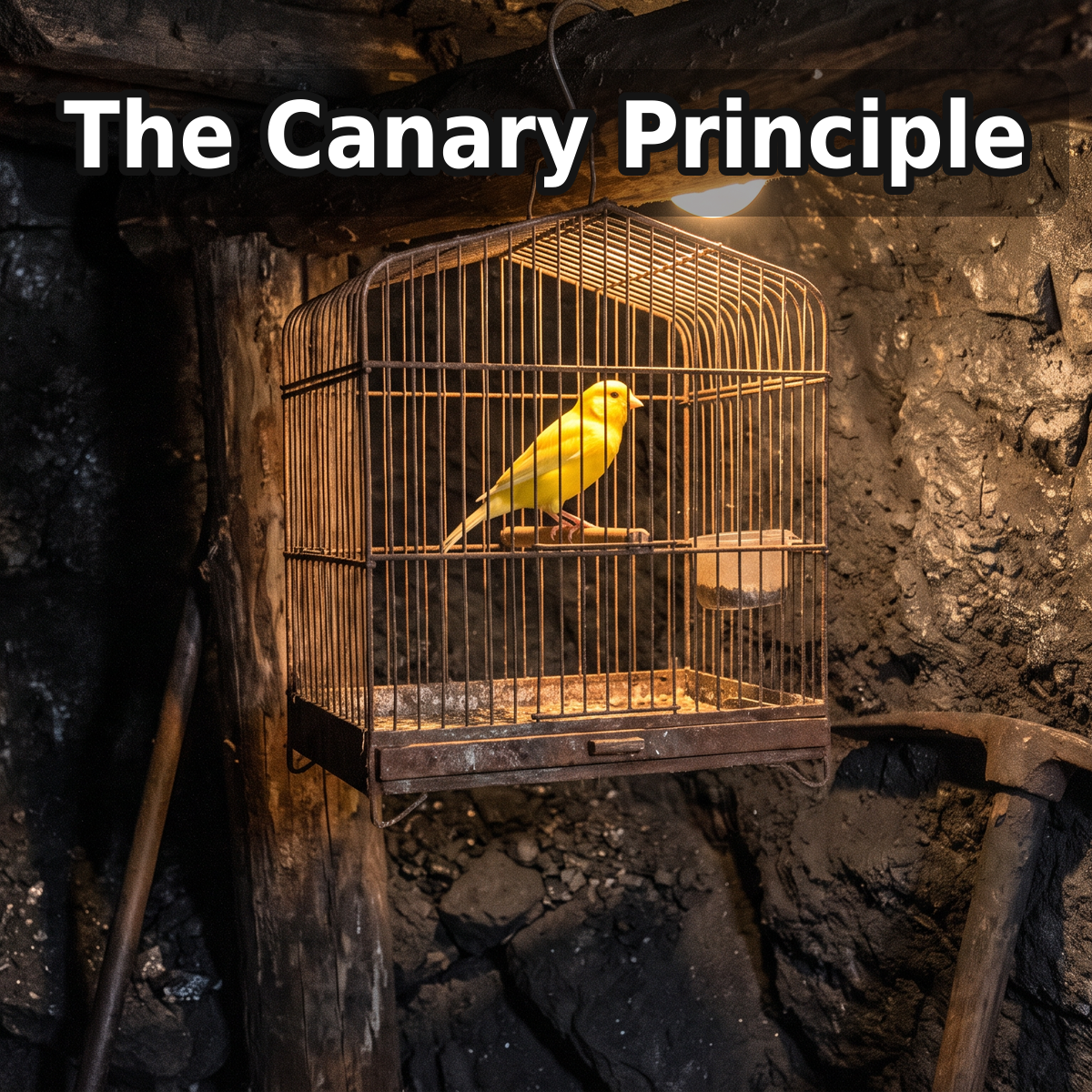
Day 355 – The Canary Principle

The canary principle, originating from coal mining, involves testing changes on a small scale before full implementation. This concept applies to software development and personal life, encouraging small, reversible experiments to reduce the cost of learning when uncertainty is unavoidable.

Read More

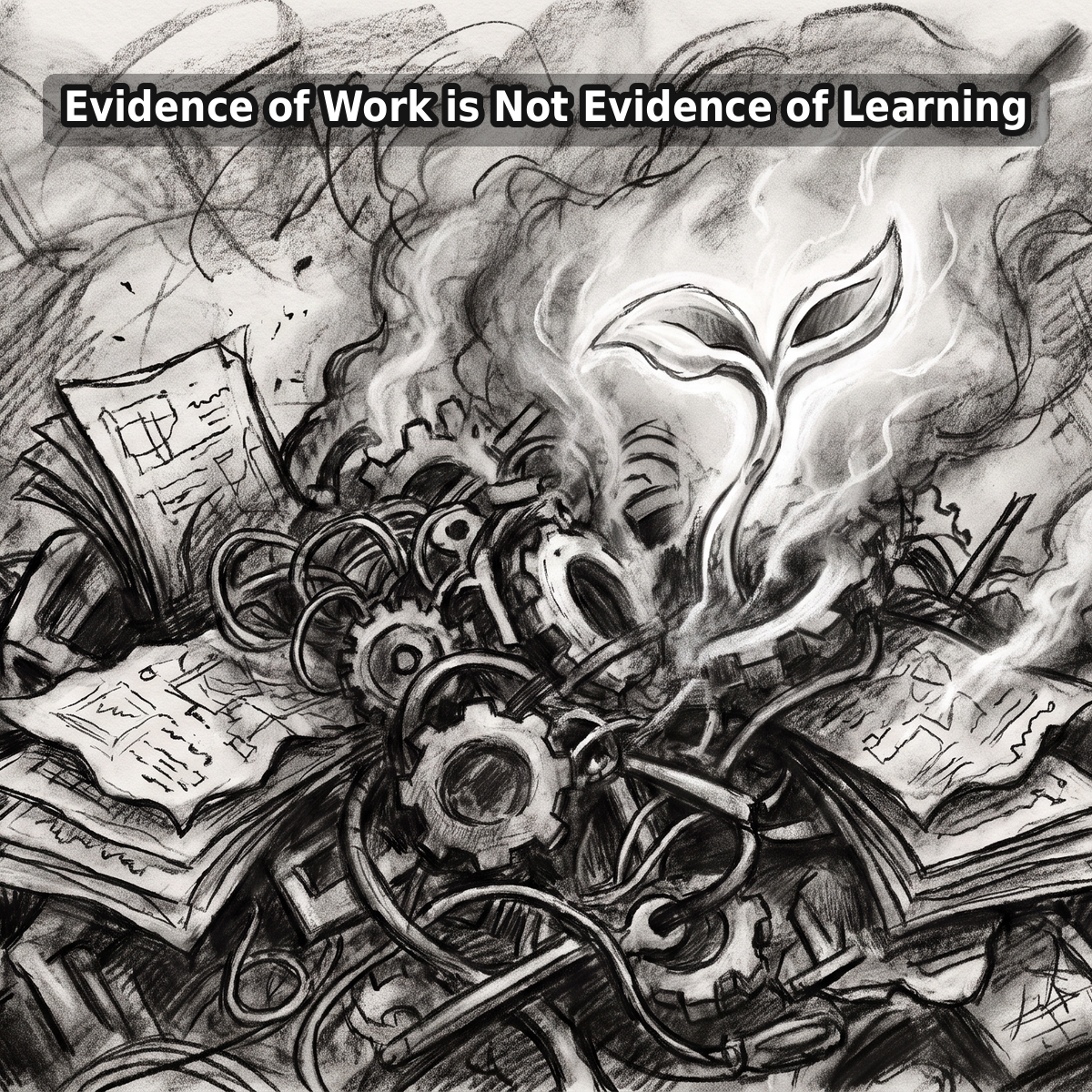
Day 354 – Evidence of Work is Not Evidence of Learning

This article argues that AI has exposed a fundamental flaw in modern education: the substitution of “evidence of work” for “evidence of learning.” It highlights how schools have increasingly focused on quantifiable outputs like completed worksheets and assignments, which AI can now easily generate without genuine understanding. The author contends that AI’s proliferation forces education to return to its core purpose—actual teaching and fostering cognitive development—rather than merely verifying compliance.

Read More
0
Would love your thoughts, please comment.x
()
x