Day 169 – Your Brain

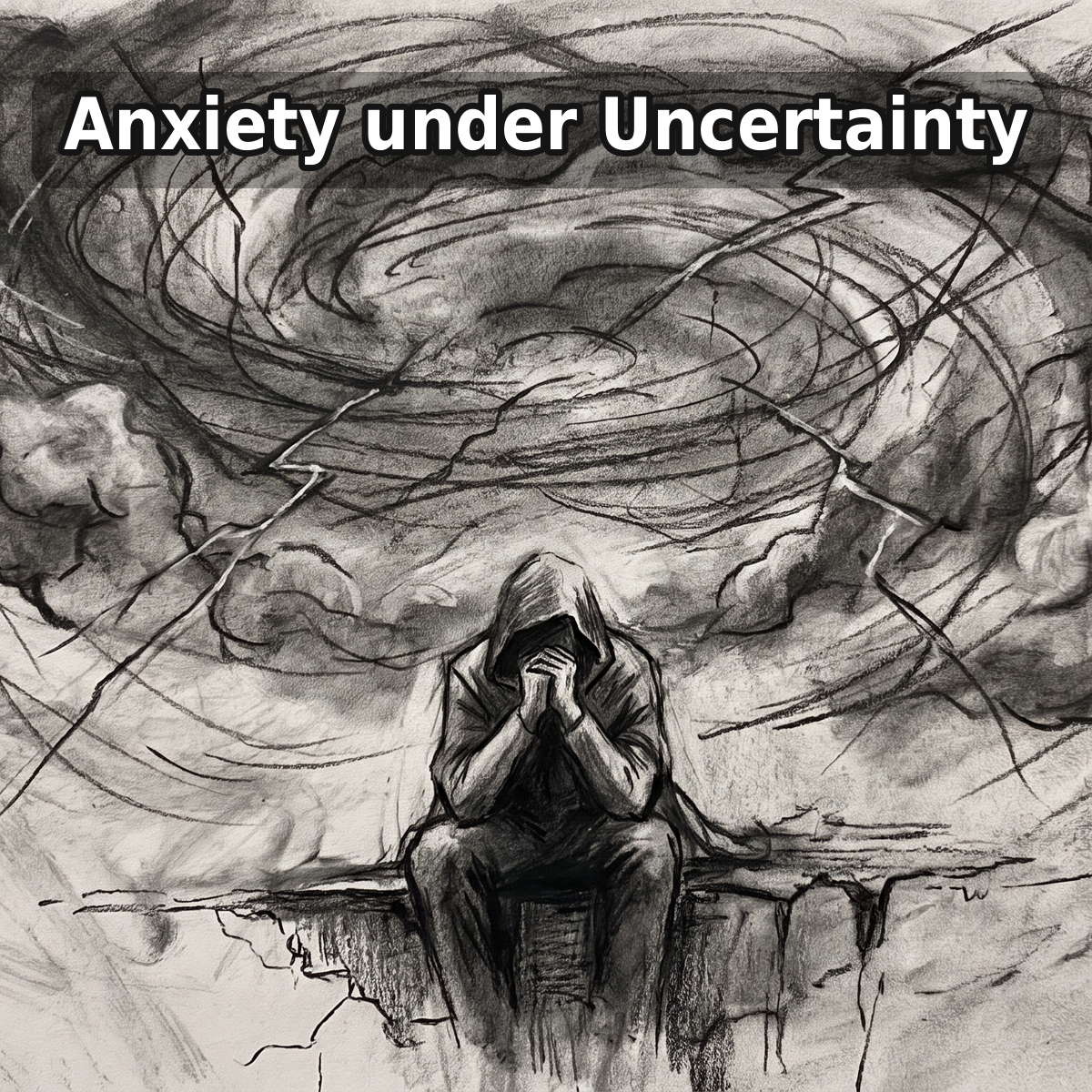
How well do you know your brain? I am willing to bet you have not put much thought into where your thoughts come from?

Religious people and Psychologists probably have a lot in common when it comes to understanding how the brain really works. I have seen entire concepts in psychology explained in one simple verse from Proverbs.

The source of our thoughts may not be entirely important, however recognizing the motives behind those thoughts are absolutely critical to changing behavior.

Call it the devil, or call it the amygdala the concept is identical. We should be sensitive, aware of, and able to handle communication from this source. Religion has a critical importance to society as it has always provided a framework to help people consciously deal with and handle primal instincts in a constructive and socially beneficial way.

Does the devil actually exist? I’ll let you decide that for yourself, but regardless of what you believe the truth is still there. You need a mechanism to work with, control, and ultimately overcome the natural man/woman.

I for one do believe in the existence of God, and I use that belief as a powerful tool to overcome my deepest challenges. I am currently using faith in God to wrestle with instinctual habits that I have. I am trying to overcome them and replace them with better ones.

I do believe that we should all aspire to something greater then ourselves, so that our society as a whole can progress.

Maybe this current cynicism regarding religion in our society will wake up and realize that over 20,000 years of dealing with the human condition actually taught us something important.

After reading the news this morning, I think the Devil is winning.

Guy Reams (169)

The 365 Commitment
Subscribe
Notify of
guest
0 Comments
Inline Feedbacks
View all comments
Share the Post:

Recent Blogs

Day 308 – Speed is The Champion

This article explores the concept that speed often leads to success in various fields, from business to technology and sports. It argues that systems capable of rapid action, feedback, and adjustment tend to outperform those focused on avoiding errors. The author highlights the importance of fast feedback loops, citing John Boyd’s OODA loop and its application in AI systems. The piece also discusses the speed-accuracy tradeoff, noting that while speed can lead to more mistakes, these are often recoverable, and the compounding effect of rapid learning ultimately drives better results.

Read More

Day 307 – Iterative Could be Insufficient

This article explores the contrast between iterative and linear thinking, highlighting their respective strengths and weaknesses. It argues that while iterative thinking is beneficial in many fields, it can sometimes be an excuse for insufficient upfront planning, and proposes a hybrid approach for more robust decision-making.

Read More

Day 306 – The Zeigarnik Effect

The article explores the psychological relief gained from writing down unfinished tasks and concerns, linking it to the Zeigarnik Effect. It explains how externalizing thoughts through writing can free the mind from constantly remembering and worrying about unresolved issues, allowing for greater mental peace and the ability to conclude the day effectively.

Read More

Day 305 – The Treasure He Never Found

A young man spends his life chasing riches, fame, and glory, only to find repeated failures. In his old age, surrounded by his loving family, he realizes that the true treasure he sought was not in external achievements but in the relationships and character he built along the way.

Read More
0
Would love your thoughts, please comment.x
()
x