Day 238 – Is the Familiar Good?

I tumbled down a rabbit hole this morning and started listening to this Neuro Science doctor turned celebrity speaker Joe Dispenza. The first major point he made in one video is that the familiar is not necessarily good. In fact the familiar could actually be the manifestation of your fears and reliving the emotions of past experience. You could very well be allowing the emotional memory device called the brain to control how you feel in the morning and therefore allowing it to talk you out of doing anything that will improve yourself.

If you are reading this in the morning, you are about ready to start the day. You are about ready to let the emotional memory of your past influence what you are going to do today. You are going to allow this emotional memory to establish what you are willing and not willing to do. You will be so confidence that your emotional memory is accurate that you will have already decided the outcome of you doing something, talking to someone, taking a risk will be. The problem is that you are completely wrong. Your emotional memory is all IN THE PAST.

The past has nothing do to with today. It will certainly cause you to plan to do anything important, tomorrow. That is because tomorrow is not now. Your brain will have another chance tomorrow morning to talk you out of doing anything uncomfortable or unfamiliar today.

Stop it. Right now. Realize your emotional memory, although extremely important, has no place in deciding what you will do today or how you will accomplish what is important. It is controlling you and you do not even realize it.

Change. Today. Overcome the emotional past and create the future of dynamic, uncertain possibilities. Wake up every morning and plan how you will break this cycle and set out on a journey to perfect, improve, and help yourself and the world around you.

Guy Reams (238)
365 Member
Subscribe
Notify of
guest
0 Comments
Inline Feedbacks
View all comments
Share the Post:

Recent Blogs

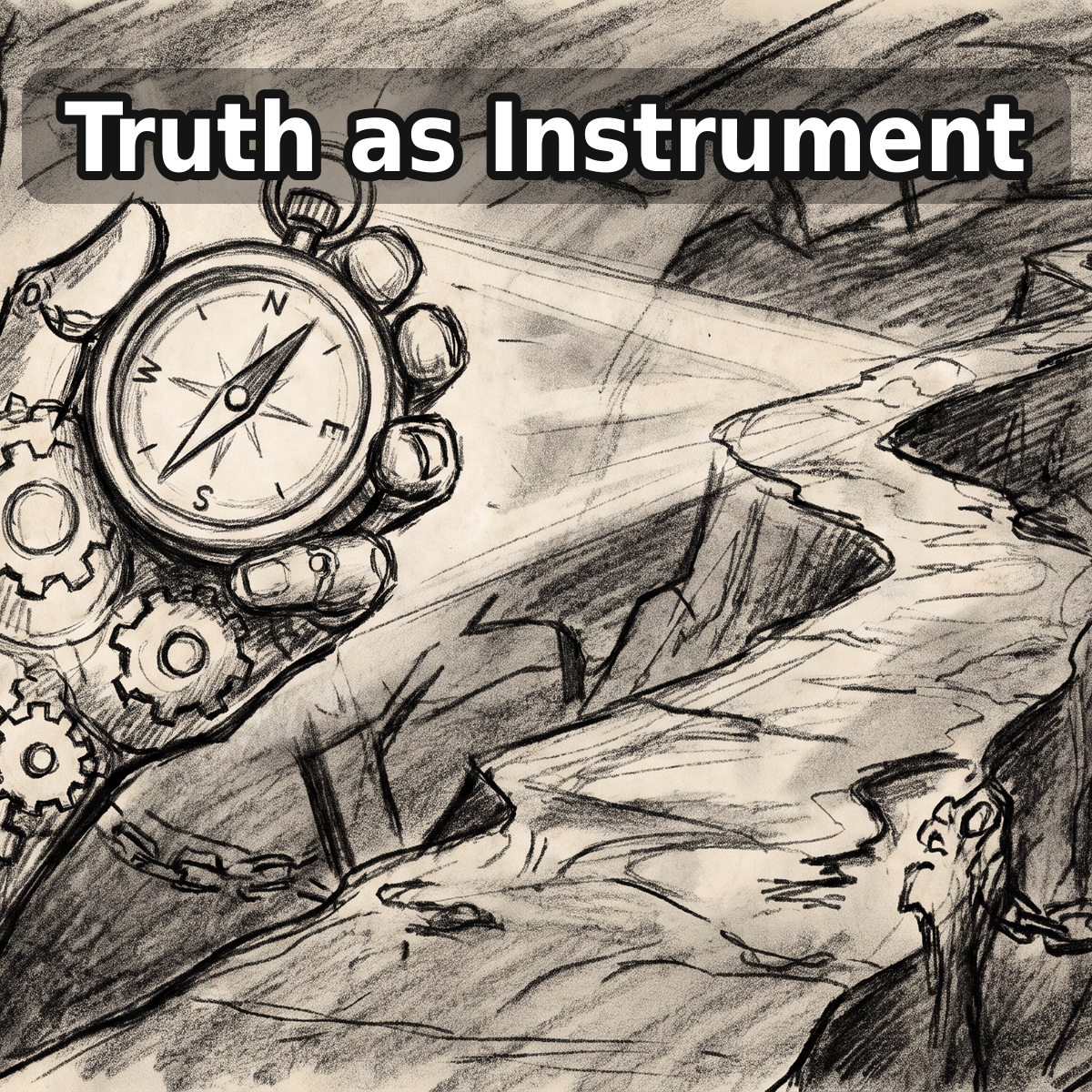
Day 344 – Truth as Instrument

This article explores the concept of individuals who manipulate truth to serve their own interests, distinguishing it from relativism. It delves into the personal and social implications of encountering such people, drawing parallels with childhood development and a personal anecdote about teaching chess. The author reflects on the challenges of dealing with those who view truth as an instrument and offers advice on identifying such behavior early in relationships.

Read More

Day 343 – Selling Shovels in a Gold Rush

The article draws parallels between the California Gold Rush and the current AI boom, highlighting how individuals profited by selling tools and information rather than directly extracting gold. It discusses historical examples of Samuel Brannan, Henry Vizetelly, and Joseph Ware, who capitalized on the gold rush through various means, including hoaxes and guides. The piece concludes by advising caution when encountering AI gurus, suggesting one should investigate the source of their wealth.

Read More

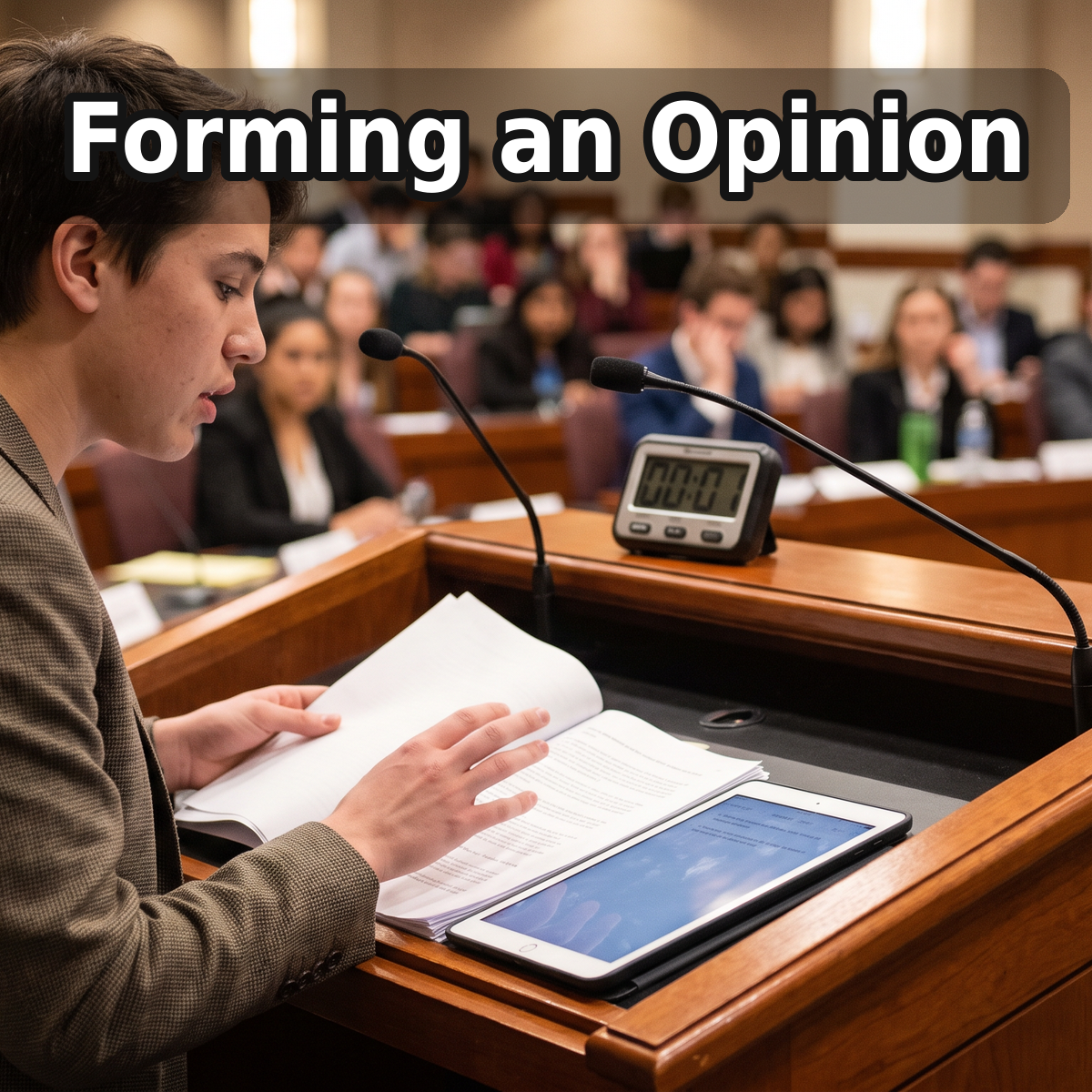
Day 342 – Forming an Opinion

This article explores the process of forming opinions, drawing parallels from debate and legal fields to categorize the strength of an opinion’s foundation. It highlights the difference between strong opinions and strong epistemic foundations, moving from weak bases like intuition and hearsay to robust, evidence-based conclusions that are open to revision.

Read More

Day 341 – Schadenfreude

The article discusses the lack of empathy in social media, where people often humiliate others for attention. It introduces the German word “Schadenfreude” to describe the joy derived from another’s misfortune, suggesting that understanding this concept can help people pause before posting cruel content.

Read More
0
Would love your thoughts, please comment.x
()
x