You finally get done. You are so mentally drained that you should just go to bed, but you don’t. You are drawn to watch something mindless for hours. Why?
You have spent the day with your precious children, and it was great but by the end of the day you are irritated and short with everyone. You should be happy, but you feel miserable, why?
You stopped drinking, eating something bad for years. You know you are supposed to stay away from that substance for your mental, physical, and spiritual health. However, after a long tough few days, you get offered something and you dont even stop to think before you are consuming what you know you shouldn’t. Why?
The answer is decision fatigue. You wake up making decisions and go to bed making decisions. You are making them all day long. Some are really simple, others complex – but they all require mental energy to process.
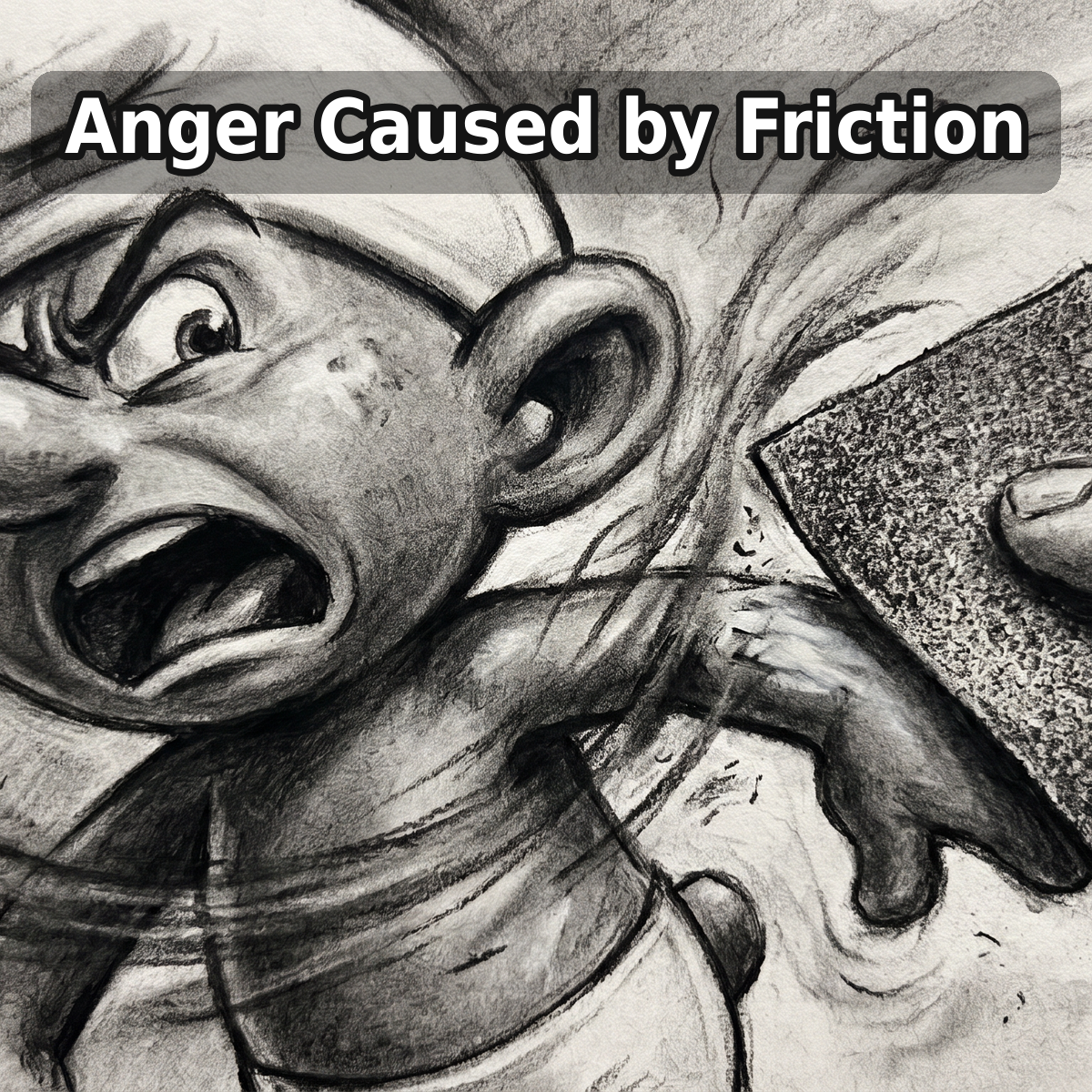
At some point you just run out of capacity to make decisions and fatigue sets in. Once that happens, you just want to stop thinking. Someone asks you a question and you almost bite their head off. Your spouse asks you what you want for dinner and you scream in response, “I dont know why dont you make a decision once in your life.” Decision fatigue is very real and you probably are unaware of its impact on you.
Pay attention to how you feel in these tires, exhausted states and you will start making the connection. You want to sit comatose and binge Netflix because you just do not want to make any decisions for awhile.
This is why a young mom staying home with a child all day, will just feel completely exhausted at the end of the day. Adding a child to your life increases the number of decisions you have to make 3X at least.
There are some things you can do to reduce decision fatigue. Here they are:
1. Follow the 365 Commitment. Setting your priorities early in the day will help you make the decision on what to focus on first, before any other decisions can impact you.
2. Build Habits. Habita reduce decisions. When you wake up in the morning, you brush your teeth. You did not have to decide to do that good thing – you just do it. This is why good habits help with decision fatigue. You automatically eat healthy and exercise when they are habits. They don’t require a lot of internal debate.
3. Make decisions in advance. If x happens then I will do y. You already know what you will do in a scenario, so no decision is needed.
4. Meditate and practice not allowing you active conscious mind to run amok and put you into decision fatigue too fast. The more you can keep the super analytical part of you at rest, the more you can keep some in reserve for when you have to make a really important decision.
Reducing decision fatigue reduces stress and you will lead a healthier life.
Guy Reams (317)
365 Member