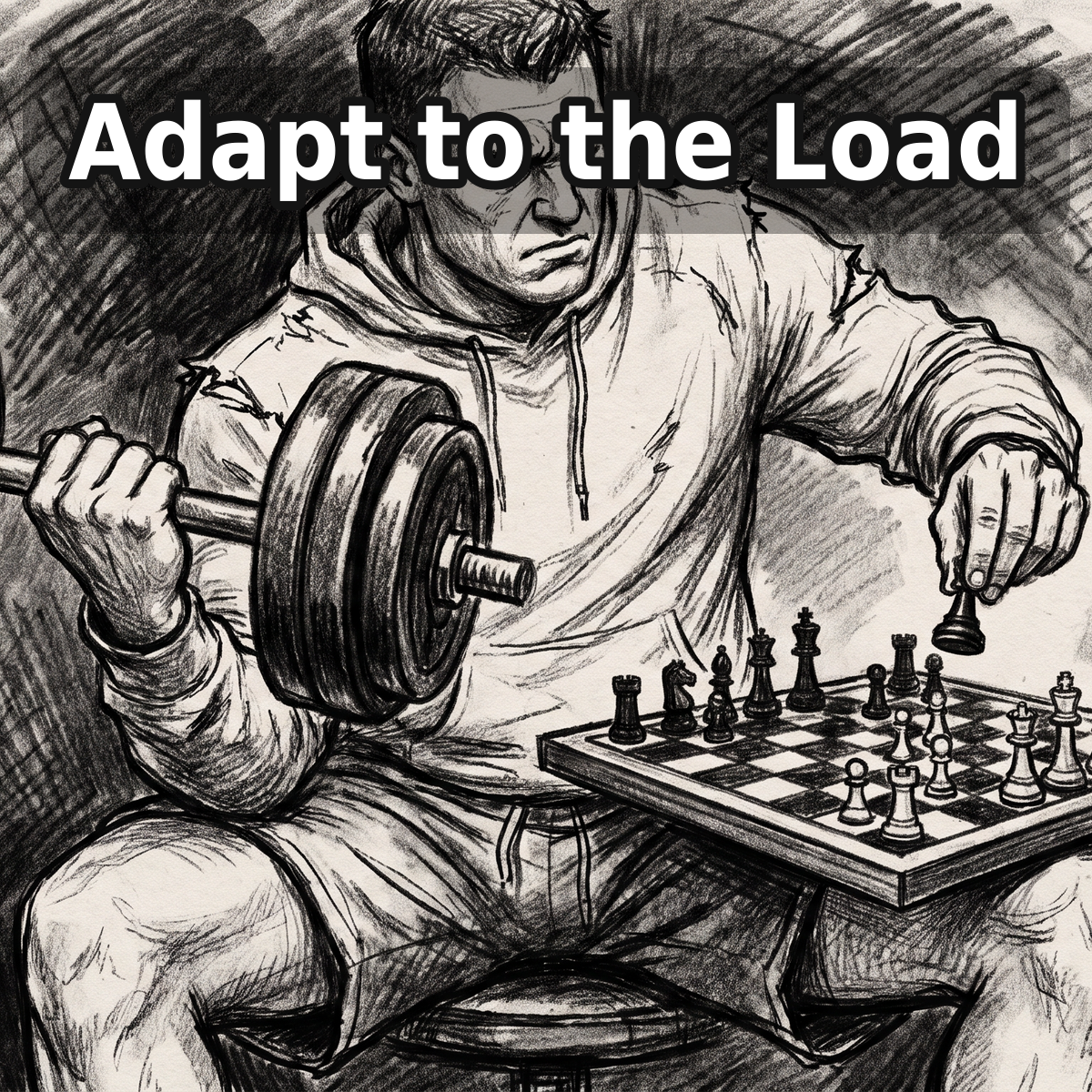
One great benefit of good habits is that they provide positive and valuable benefit without requiring much thought or will power. Exercise for example. Once you ingrain the habit of exercise it provides tremendous benefit both physically and mentally. It’s a no-brainer. Exercise combats and mitigates the negative effects of stress. What other good habits combat stress?
Check out this amazing TED Talk by Kelly McGonigal. It is one of the most popular TED Talks of all time: https://www.youtube.com/watch?v=RcGyVTAoXEU. She is very entertaining and shares surprising “new” scientific data and findings that debunk the popular and longstanding notion that “stress kills.” Turns out, how we perceive the inevitable stress we experience in life determines whether or not it harms us.
Also surprisingly, people who endure a stressful life situation (i.e., a death of a loved one, job loss, etc.) and manage to focus on helping others during that time are completely protected from the negative effects of that stress, according to the scientific data. Without their focus on helping others, they would suffer measurable harm to their physical and/or mental health. Very interesting!
The required habits of the 365 Commitment are few in number and basic in nature. 1) First thing each day make a list of what is important 2) Pray/meditate on that list 3) Commit to doing those things 4) Check-in with your list at the end of the day to evaluate how you then and pray/meditate on it. From Day 1 we recommended an additional optional practice: think of a person whom you could help that day and write them into your list. Or, during your prayer/mediation practice ask to encounter someone whom you could help and do so. At the time we included this recommendation as an optional component of 365 we were not thinking of mitigating our own stress. Thinking back, it was more of a moral or spiritual injunction. Mitigating our own stress was just not part of the calculus. But it’s really cool that it does!
So, whatever your motivations are for integrating the habit of helping someone daily, know that you are helping yourself to live longer, healthier, and in our estimation more meaningfully. Talk about a win-win 🙂
Ben Wagner (9)