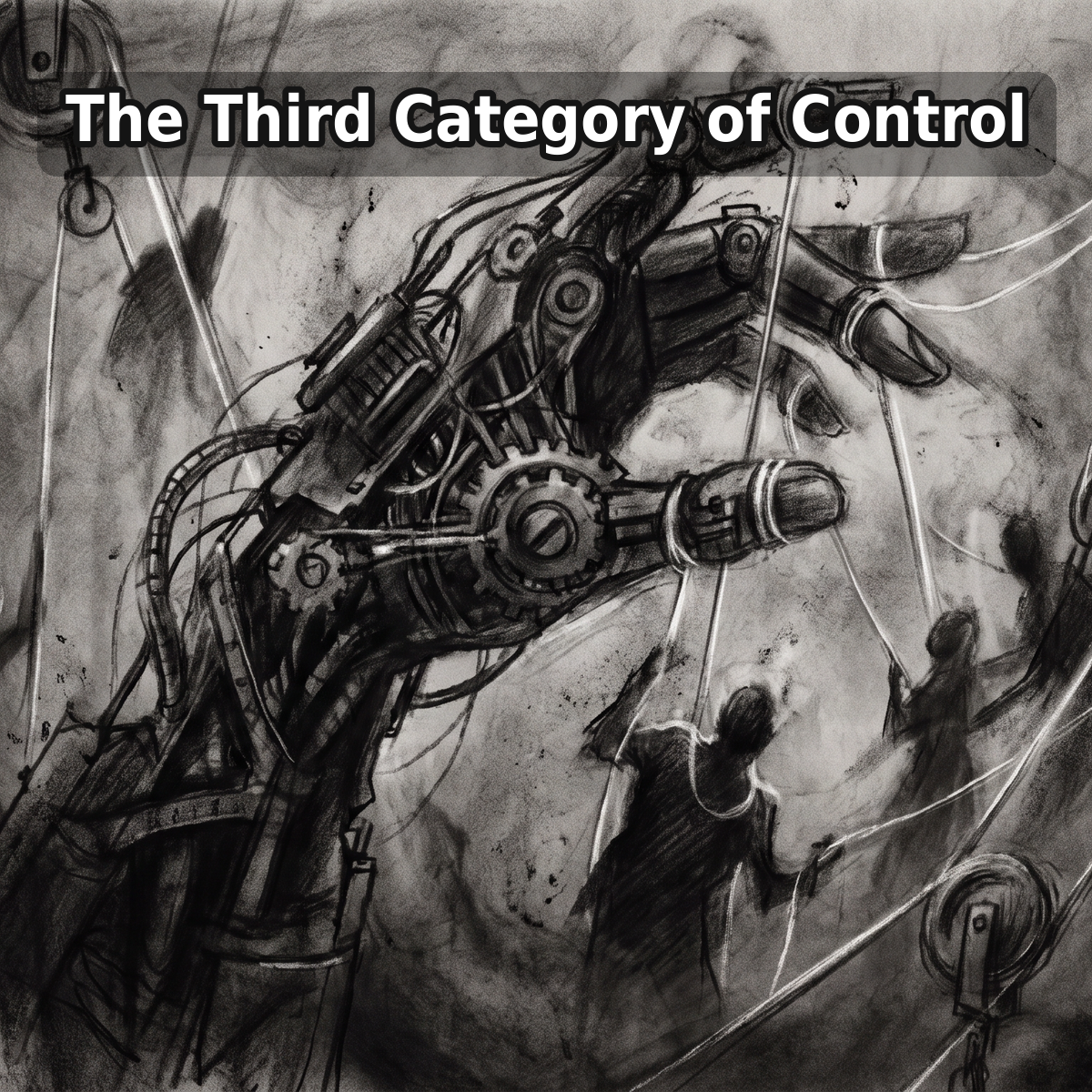
If you have a goal that you really want to achieve then let me outline for you what I believe to be the ultimate jedi mind trick. It is to make the future a memory. Here is how it works.
You think of your goal, and then you start to paint a picture in your mind of what the moment will be like when you achieve thay goal. Be very precise. What are you wearing? What do you look like? Who is there? What does the moment feel like? Where are you at? Visualize that future event and start to memorize the details. Do not worry about how to .ake all that happen, just be extremely detailed in what that moment will be like.
Once you have this daydream set right, then you can start to memorize it with frequent visualizations. Before you sleep, when you just wake up, during exercise, of just whenever you have a spare moment. You want to completely memorize this vision of the future. The objective of this endeavor is to make the future event so real to you that it becomes a memory. A memory of the future.
This event will now become a foregone conclusuon. Inevitable. Undeniable. It is going to happen because it already has happened. You made it happen in your mind. Now all you have to deal with ia the trivial matter of doing what it takes to get there! Sounds ridiculous, right? Well it works. I have aeen it work and what is amazing is just how close the vision is to the reality when it does happen.
Now I do not subscribe to the new age hocus pocus that what you can conceive will become reality. There is the very real fact that every great accomplishment requires hard work. You have to put in the time, there is no way around that. However, a memory of the future really helps with your attitude!

Guy Reams
Subscribe
Notify of
guest
0 Comments
Inline Feedbacks
View all comments
Share the Post:

Recent Blogs

Day 309 – The Price Tag of Automation

The author recounts his frustrating experience with home automation after Google abandoned its Nest architecture, leading him to build his own system. He highlights the significant time and effort required for maintenance and the eventual abandonment of his automation efforts due to the high ‘economic life’ cost. However, with the advent of AI, the cost and effort of automation have decreased, making it more feasible and renewing his interest in deploying future automations.

Read More

Day 308 – Speed is The Champion

This article explores the concept that speed often leads to success in various fields, from business to technology and sports. It argues that systems capable of rapid action, feedback, and adjustment tend to outperform those focused on avoiding errors. The author highlights the importance of fast feedback loops, citing John Boyd’s OODA loop and its application in AI systems. The piece also discusses the speed-accuracy tradeoff, noting that while speed can lead to more mistakes, these are often recoverable, and the compounding effect of rapid learning ultimately drives better results.

Read More

Day 307 – Iterative Could be Insufficient

This article explores the contrast between iterative and linear thinking, highlighting their respective strengths and weaknesses. It argues that while iterative thinking is beneficial in many fields, it can sometimes be an excuse for insufficient upfront planning, and proposes a hybrid approach for more robust decision-making.

Read More

Day 306 – The Zeigarnik Effect

The article explores the psychological relief gained from writing down unfinished tasks and concerns, linking it to the Zeigarnik Effect. It explains how externalizing thoughts through writing can free the mind from constantly remembering and worrying about unresolved issues, allowing for greater mental peace and the ability to conclude the day effectively.

Read More
0
Would love your thoughts, please comment.x
()
x