Reading more psychology research earlier this morning, an article by a cognitive behaviorist named Janet Gibson. She has done some research on the development of a sense of humour. Early psychologists felt that laughing, telling jokes, or acting out were examples of us hiding something or concealing our true intent. However, this does not ring true to me, and also to modern psychologists.

You see understanding and then finding humor in a joke is actually a sign of a intellectual grasp of a rather complicated view of the world. This helps me feel better. One of my travelling companions is my 10 year old daughter, and she has two modes. Laughing and joking is the main mode. The other is mad because she can’t do whatever she wants. She jokes around about just about anything, especially anything with the slightest hint of irony. So I am glad that moden science gives that a thumbs-up in terms of advanced cognitive ability. Gives me some hope.

Think about what you have to do in order to find something funny. You have to first, suspend reality and imagine in your mind the scenario being described. Then actually detect something is amiss, and usually in multiple scenarios. Finally, you have to determine how to resolve the issue, eliminate non humorous alternatives and focus on the one that is funny.

Last you actually have to experience the emotion of discovery, elation, and then laughter. Quite complex this process of hearing a joke and finding the humor in it!

So bottom line. Laugh more, tell more jokes. It relieves anxiety and helps us get through tough times.

Guy Reams

Subscribe
Notify of
guest
0 Comments
Inline Feedbacks
View all comments
Share the Post:

Recent Blogs

Day 346 – Who Cancelled Tuesday Night?

This article reflects on the decline of community activities like bowling leagues, block parties, and church gatherings, and how these seemingly ordinary events fostered repeated human contact and built relationships. The author suggests that modern conveniences, while useful, have inadvertently dismantled the ‘machinery that manufactured relationships,’ leading to a sense of disconnect despite constant communication.

Read More

Relaxing is Changing State

Relaxing isn’t about passive consumption, but actively changing your brain’s state. This involves stopping information intake, engaging in physical activity outdoors, and shifting focus from narrow details to broad natural elements. The goal is to clear mental clutter and allow your mind to reset, often leading to renewed productivity.

Read More

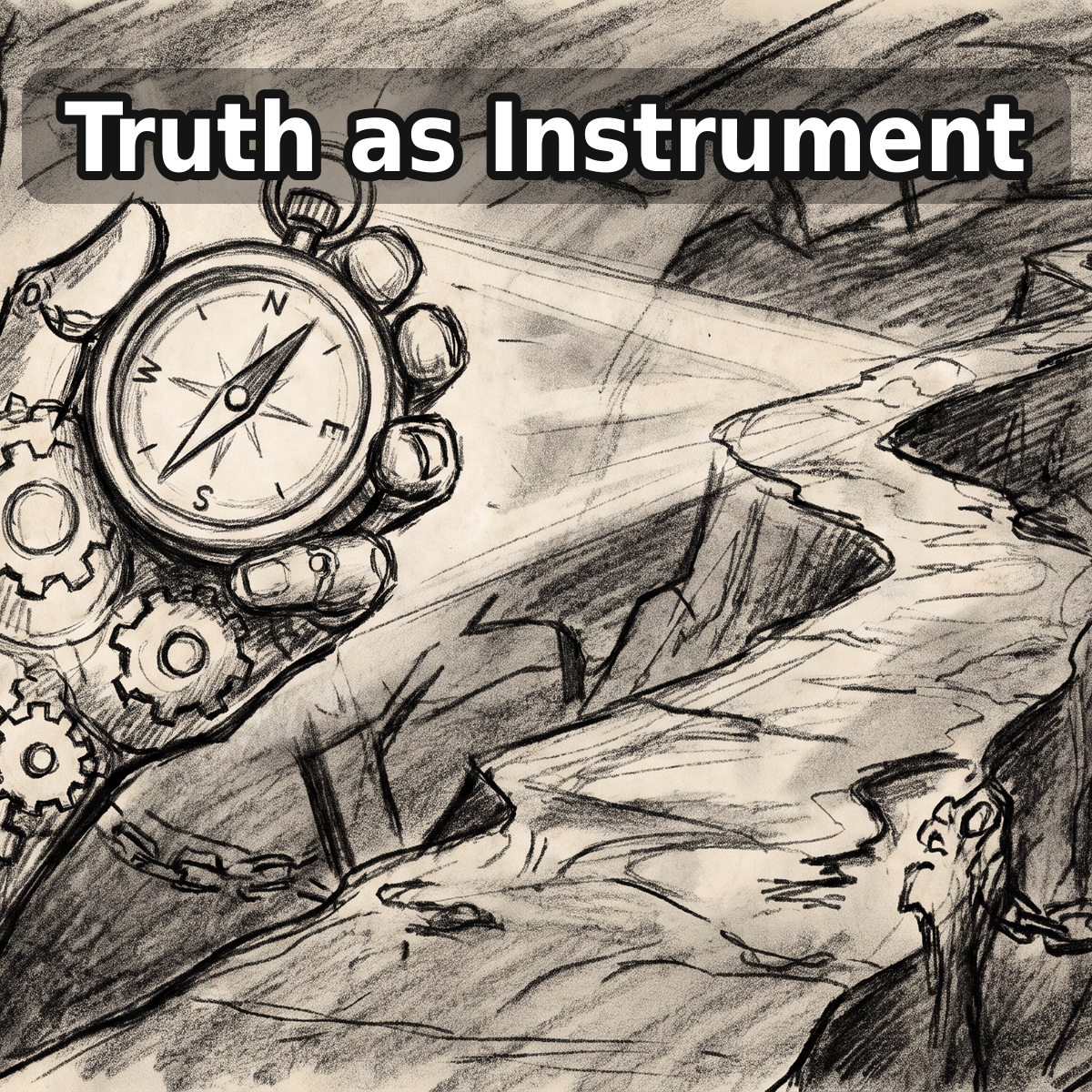
Day 344 – Truth as Instrument

This article explores the concept of individuals who manipulate truth to serve their own interests, distinguishing it from relativism. It delves into the personal and social implications of encountering such people, drawing parallels with childhood development and a personal anecdote about teaching chess. The author reflects on the challenges of dealing with those who view truth as an instrument and offers advice on identifying such behavior early in relationships.

Read More

Day 343 – Selling Shovels in a Gold Rush

The article draws parallels between the California Gold Rush and the current AI boom, highlighting how individuals profited by selling tools and information rather than directly extracting gold. It discusses historical examples of Samuel Brannan, Henry Vizetelly, and Joseph Ware, who capitalized on the gold rush through various means, including hoaxes and guides. The piece concludes by advising caution when encountering AI gurus, suggesting one should investigate the source of their wealth.

Read More
0
Would love your thoughts, please comment.x
()
x