When I was younger, I took several courses in systems design. I heard a lecture, and I do not remember the source, in which the speaker emphatically said that if you want to change the output, then you need to control the inputs. In his view, systems were based on this simple concept. There was this black box of hidden mystery, which was the system itself. The user and consumer populations did not need to know about the interior of the black box. Rather the greatest impact to those populations would be what the required to input versus what was output. Focus on the streams. This is an older way to view systems, because back in the early days of computing, this was effectively true. You input data, you got a result back. Systems have got much more complicated since then and the interplay between subsystems has certainly made this a less applicable model.
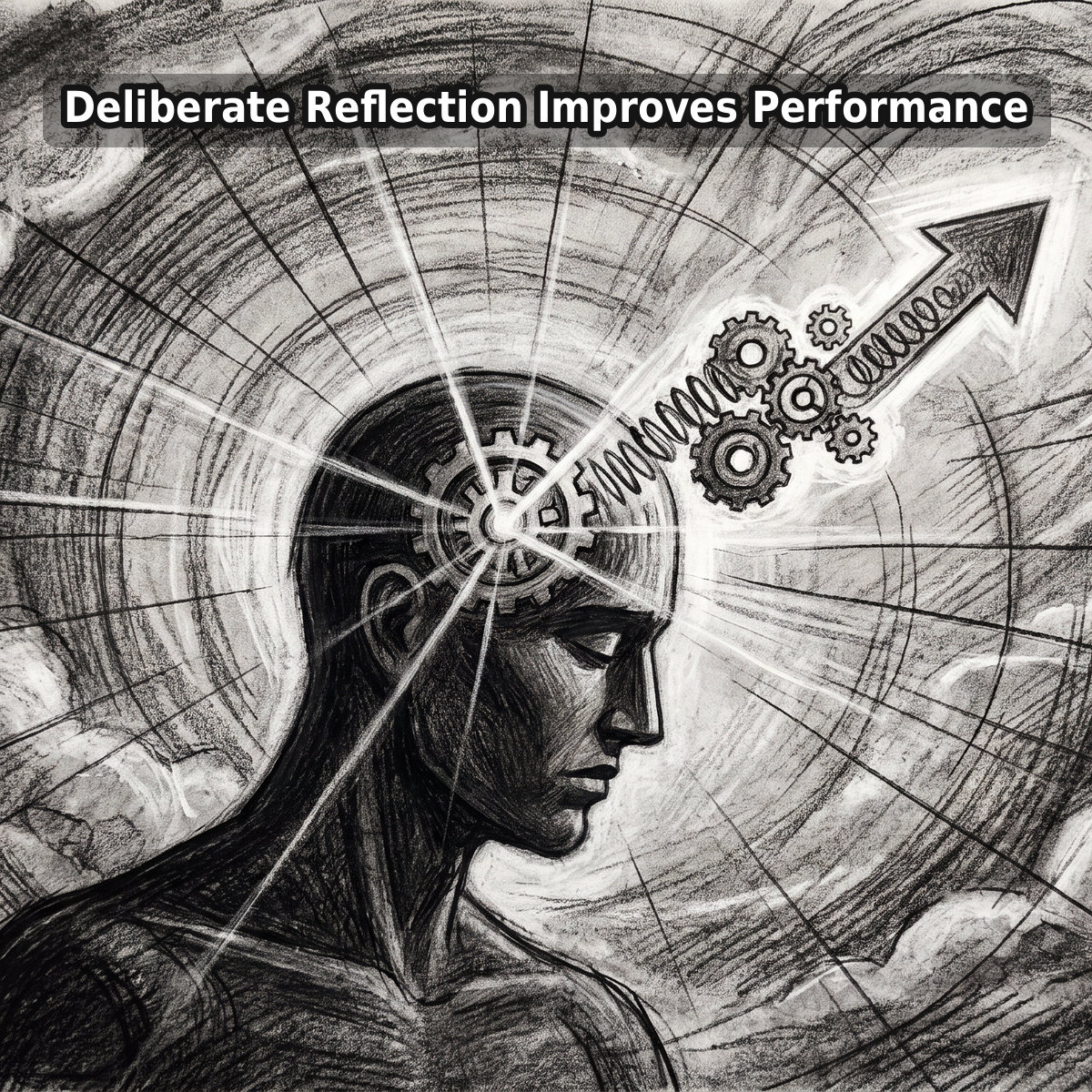
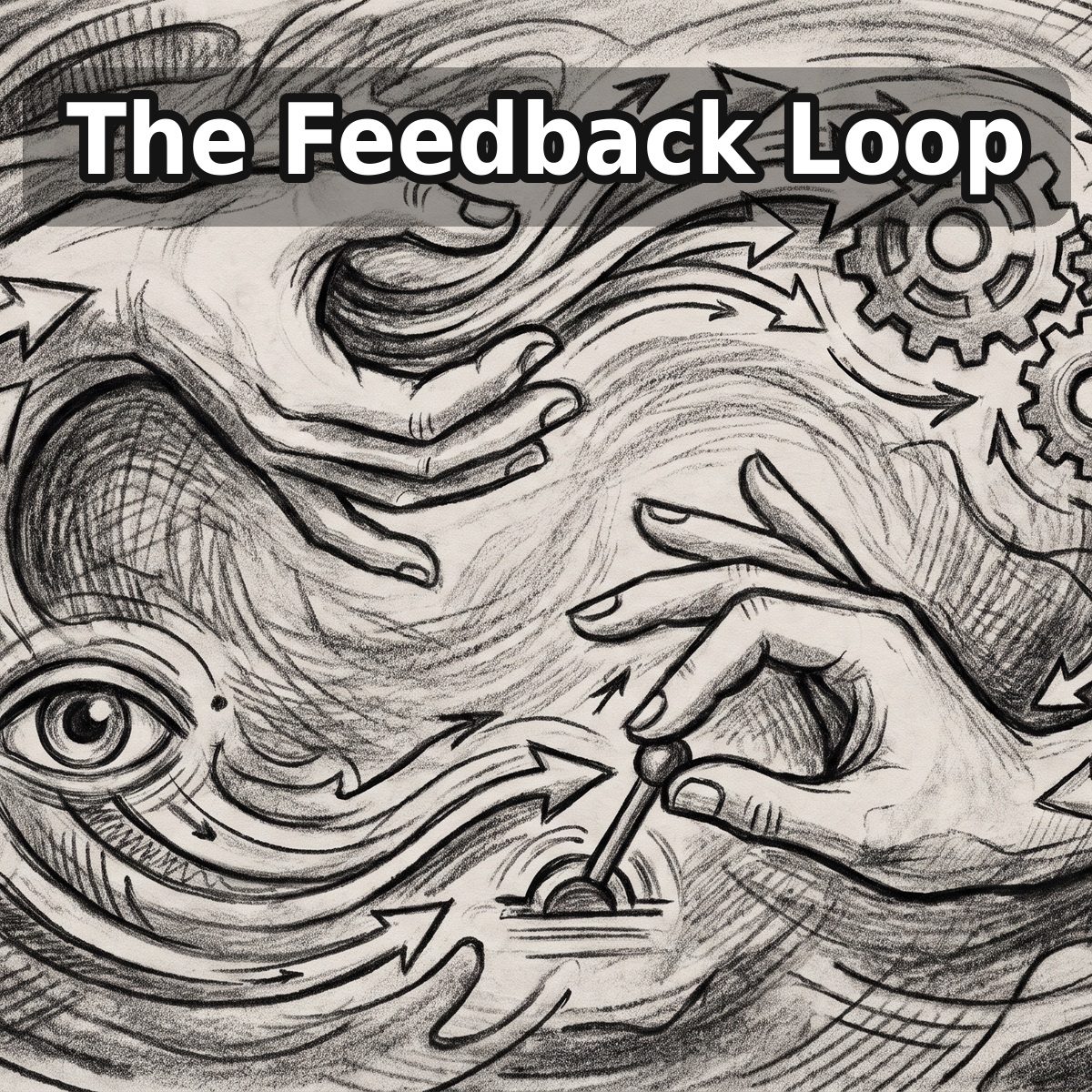
However, there is still some truth to the concept. Nowadays we use different metaphors to create models for how systems function, but the black box concept is interesting and surprisingly powerful. Imagine if you will that your mind, body, and everything else going on with you is a black box as well. Imagine that you are no longer in that black box, but rather a remote observer of your own system. What would you have available to analyze? You would have the inputs and outputs. You could see what was going into “you” and what was going out of “you.” Now from a food consumption perspective, this would be a rather disgusting interpretation of the black box theory. However, it would still apply. If you want to know what is wrong with your nutritional “system” then take a look at the inputs. What result does the input produce? If you do not like the result, then the only thing you really have control over is to change the inputs. So extend that to your entire life. What is going into your black box? This mysterious thing called you.
Can you take a dispassionate view of yourself as a ‘black box’?
What are your inputs? Can you identify them? Who and what is providing input into your system? If you could look at yourself from afar, could you actually view this stream of input (data) flowing into you from large corporate entities? Netflix, Disney, Comcast, Newscorp? Would you see how the information they control flow into you? Would you see the influence certain people have on you? Family, Friends, Work Colleagues, Congregations, and other People? Who is providing you input? Where is it coming from? Back to the black box theory. If you want to control the outcome, you have to control the inputs. We can have the greatest intentions in the world, but when you have a constant flow of bad intentions flowing into you, even the strongest minds will fail. Perhaps you should consider stemming the flow of nonsense, or perhaps even influence trying to manipulate you to buy, consume or believe a certain way.
Anyway, not sure if the black box theory is relevant to modern systems design, but I think it absolutely can help us see the truth of our own situation. If we have no control over the inputs in our life, then we will no control over the outcome.
Guy Reams