We hope to make one of the lakes at the base of Fremont peak. Most likely Island Lake, but we have a lot to choose from.
Guy Reams
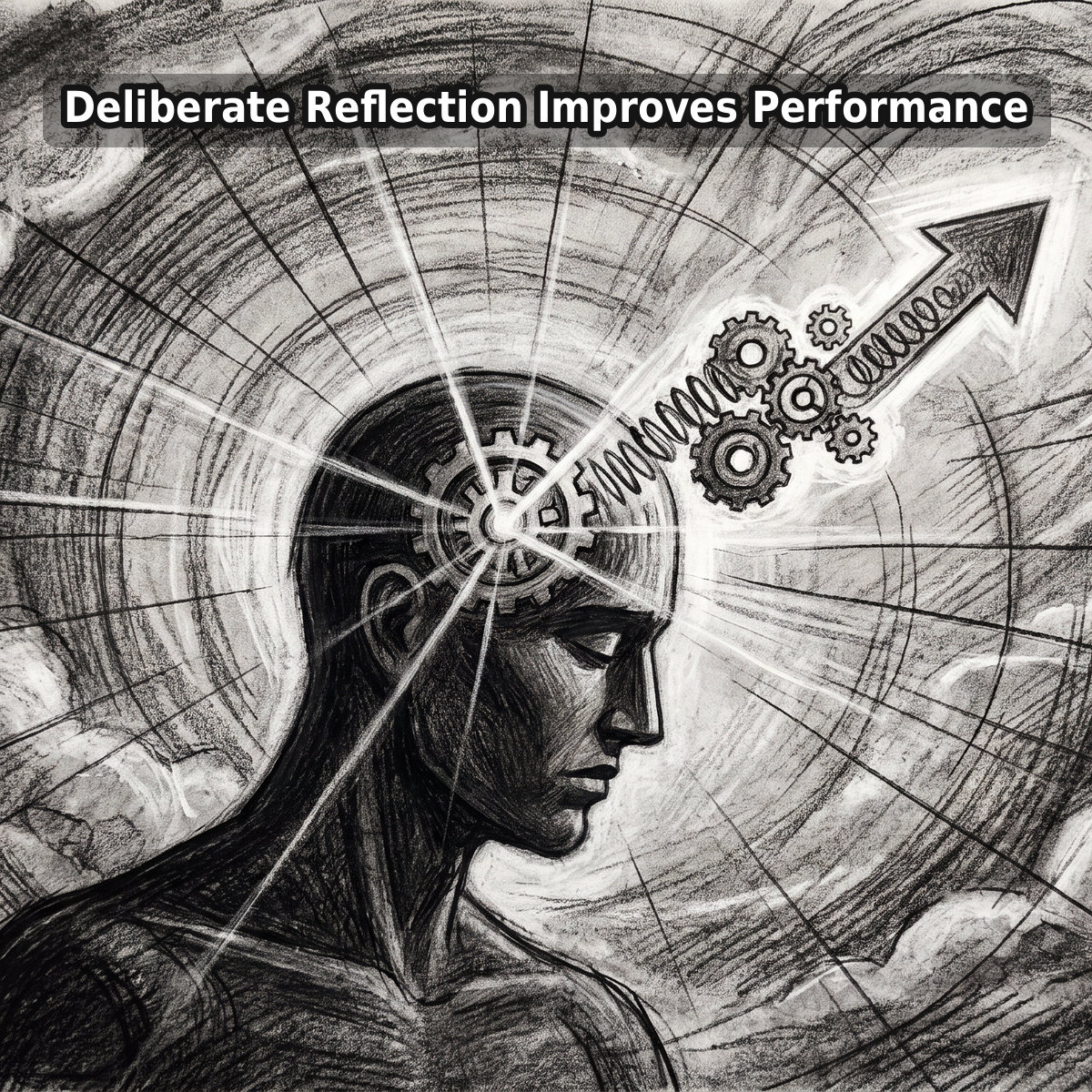
Deliberate reflection is a foundational method for self-improvement, often overlooked despite its proven effectiveness. By reviewing experiences and understanding what went well or wrong, individuals can achieve greater progress than by simply accumulating experience. This practice is crucial for learning from mistakes and making necessary adjustments to achieve goals.
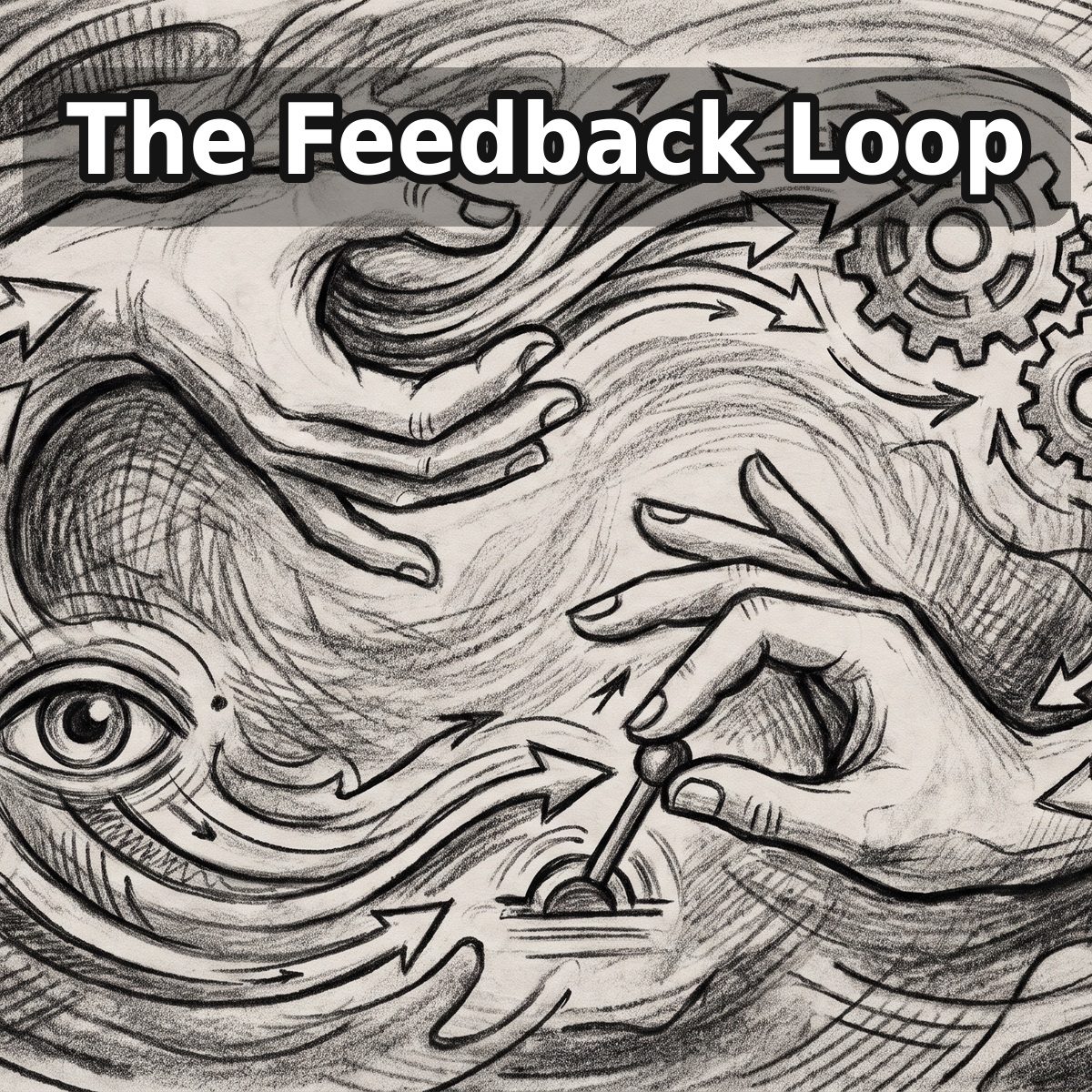
This article explores the concept of feedback loops, highlighting their effectiveness in both personal and business contexts. Using a personal anecdote about Weight Watchers and a professional experience with customer satisfaction, the author emphasizes that continuous feedback is crucial for improvement, despite our natural aversion to criticism.

This article emphasizes the importance of taking control of your attention by prioritizing your most important task each morning. By doing so, you can better manage distractions and align your daily actions with your long-term goals, ultimately leading to greater productivity and achievement.

This article explores the phrase “Get while the getting’s good” and its relevance to goal setting and accomplishment. It highlights that acting quickly on intentions significantly increases the likelihood of achieving goals, emphasizing the importance of immediate planning and daily action.