I was thinking recently about how much attention we give to the things we believe we need to change in our lives. We decide we need more protein, so we start drinking a protein shake every morning. We recognize that we consume too much caffeine, so we make a deliberate effort to cut back. Perhaps we need more exercise, better sleep, or less sugar in our diet. Whatever the concern, we identify a problem and then focus our attention on doing something about it.
This seems perfectly reasonable. After all, how else are we supposed to improve ourselves?
However, I have started to wonder if we are paying attention to the wrong things. Or perhaps, more accurately, we are paying attention to only a very small portion of what actually determines who we are.
Consider how much of your day you spend consciously thinking about your actions. You might spend five minutes deciding what to eat for breakfast, but what about everything else you consume throughout the day? The handful of something you grab while walking through the kitchen. The snack you eat while concentrating on work. The extra portion you take without really considering whether you are hungry. At the end of the day, you might remember the healthy breakfast you deliberately prepared, but have almost no recollection of the other things you consumed.
Yet your body remembers all of it.
The same thing happens with our physical activity. We congratulate ourselves for a thirty-minute workout, which is certainly worth celebrating, but what about the other fifteen waking hours? How often do we sit when we could stand, drive when we could walk, or avoid some small physical effort because convenience has become our natural response?
These little decisions are rarely decisions at all. They are simply what we do.
I think this extends far beyond physical health. Consider the way we respond to frustration, how quickly we reach for our phones, what we do when we have an unexpected ten minutes, or how we treat people when we are distracted. We develop patterns of behavior that eventually become so familiar that we stop noticing them. We no longer consciously choose these actions because our minds have already established a preferred path.
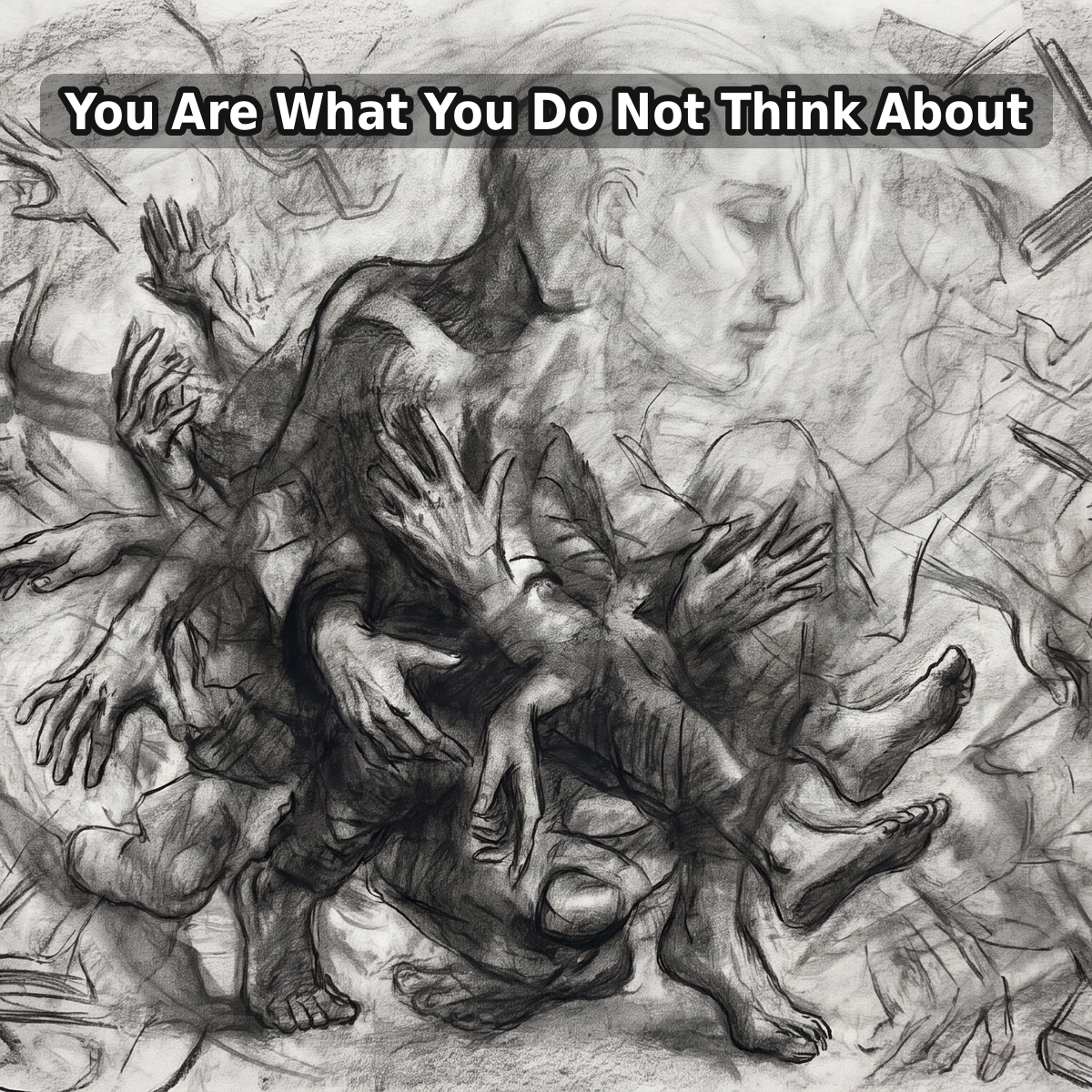
Over time, these unconscious patterns become a remarkably accurate description of who we really are.
There is something both frightening and encouraging about this realization.
The frightening part is that we may be undermining our most carefully considered goals through hundreds of little actions that never receive our attention. The encouraging part is that the opposite is equally possible. We can build patterns of behavior that consistently move us toward the person we want to become, without requiring a tremendous amount of conscious effort every time.
Perhaps that is the real purpose of developing good habits. We are not simply trying to force ourselves to do something difficult every day. We are trying to make that behavior so natural that eventually we do it without thinking.
I have spent years working on the idea of daily commitment, and I am beginning to appreciate that the ultimate achievement may not be what I consciously accomplish each morning. It may be what those commitments eventually cause me to do automatically throughout the rest of the day.
So here is something worth trying. Tomorrow, pay attention to what you do when you are not paying attention. Notice the little things, the automatic responses, and the choices you barely remember making.
You might discover that the most important changes you need to make are hiding in the parts of your life you never think about.
After all, you are not merely what you intend to do. You are what you do not think about.